
Why this routine worked
Maskne isn’t just acne. It’s bacteria + friction + heat + inflammation + a wrecked skin barrier.
I didn’t have the cute “one little pimple” kind of acne, like I was used to. I’m talking jawline breakouts. Chin congestion. That constant cycle of this is healing → why is there another one. All while wearing a mask for hours at a time, multiple days in a row. So this routine didn’t just “treat pimples.” It:
- Reduced bacteria without stripping
- Calmed inflammation instead of provoking it
- Rebuilt the skin barrier so pores could behave again
Every product below plays a specific role in that.
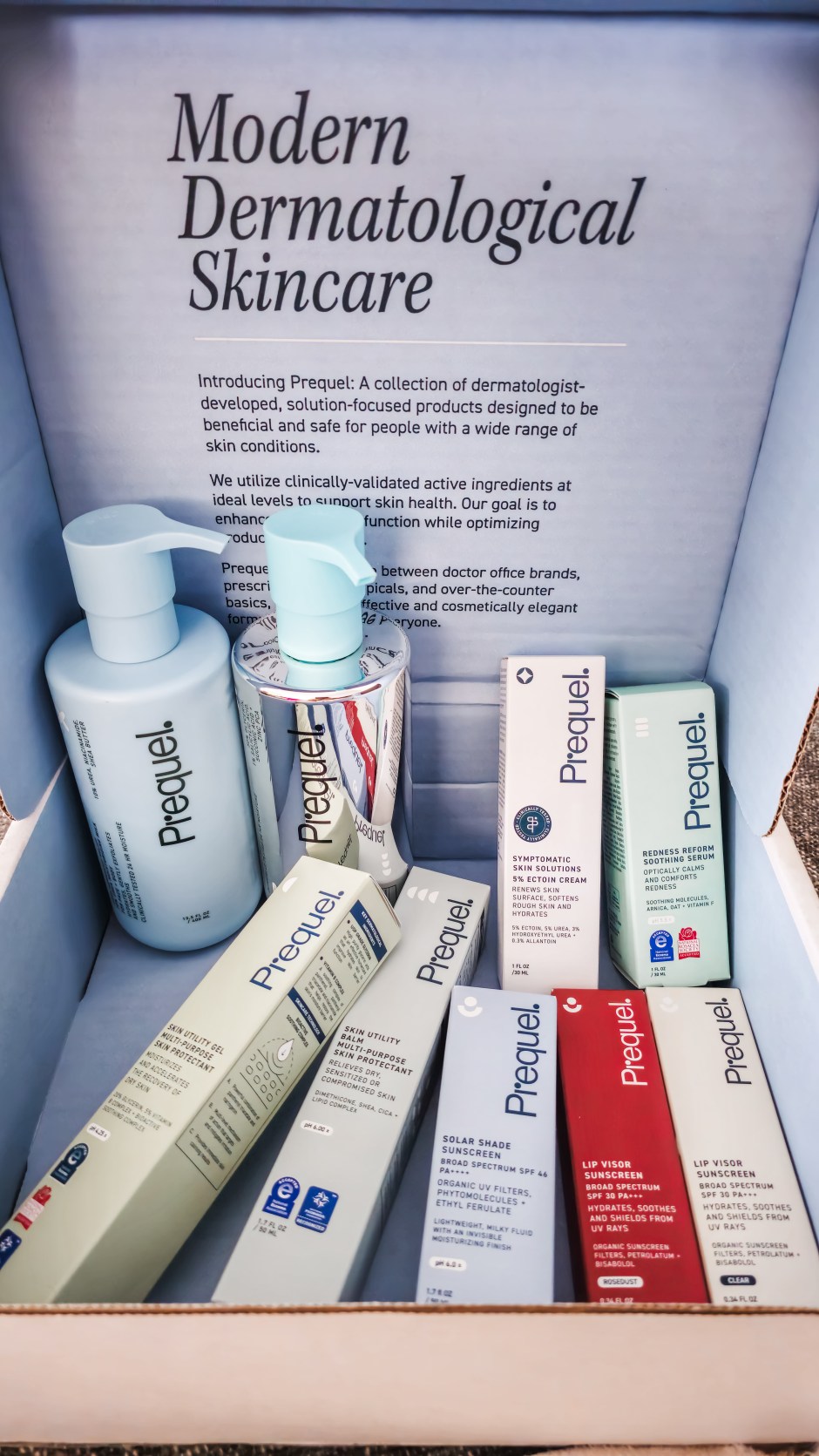
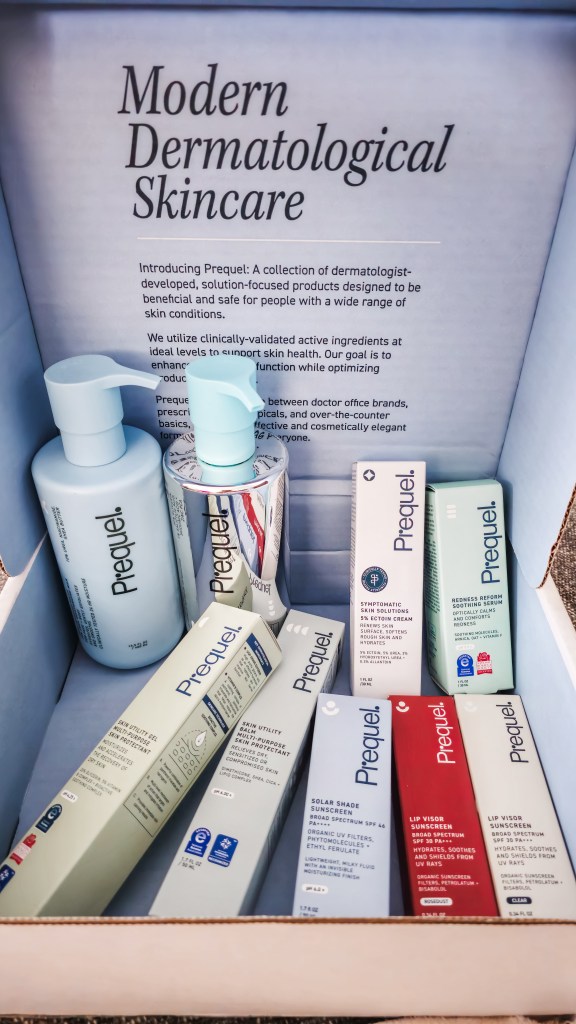
And yes — every single product is from Prequel.
This post is my exact active-acne routine.
Why I Stopped Mixing Brands (and Why It Helped)
When my acne was at its worst, I realized something kind of important.
My skin didn’t need a chemistry experiment.
I was mixing acids from one brand, calming serums from another, moisturizers from a third… and wondering why my face was confused. Once I committed to one line that’s barrier-first, fragrance-free, and actually designed to work together, my skin finally stopped fighting me.
This routine isn’t about “curing” acne overnight.
It’s about getting your skin out of fight-or-flight.
Affiliate disclosure: Some of the links in this post are affiliate links, including links to my TikTok Shop storefront. If you choose to shop through them, I may earn a small commission at no extra cost to you. I only share products I personally use and genuinely love.
Step 1: Cleanse Without Triggering More Acne
Gleanser + SA
This cleanser worked when others failed because it understands something a lot of acne cleansers don’t: you can’t clear acne by destroying your skin barrier.
The salicylic acid matters here because it exfoliates inside the pore. That’s key for maskne, which tends to be deeper, more congested, and fueled by sweat and oil trapped under a mask.
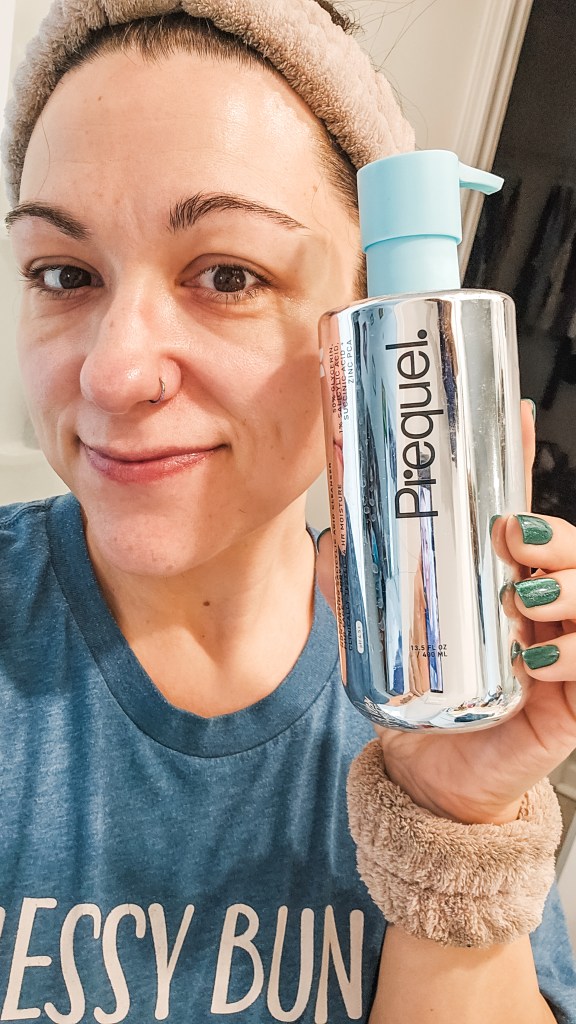
But what makes this cleanser different is the high glycerin content.
Glycerin pulls water into the skin and helps prevent transepidermal water loss. When skin gets too dry, it often compensates by producing more oil… which leads to more clogged pores. This cleanser avoids that cycle.
So instead of:
- stripping
- over-drying
- triggering rebound oil
It clears pores and keeps the skin barrier intact.
That balance is why this could be my face wash and body wash during active acne.
Step 2: Reduce Bacteria Without Irritating Skin
Universal Skin Solution (Hypochlorous Acid Spray)
This is one of the most science-backed products in my routine, and honestly one of the most misunderstood.
Hypochlorous acid is something your own immune system produces to help neutralize bacteria. On the skin, it helps reduce bacterial overgrowth while also calming inflammation.
That’s huge for maskne.
Maskne thrives in warm, damp environments. Sweat + friction + trapped bacteria = inflamed breakouts that don’t heal well. This spray helps interrupt that cycle without drying or stinging.
I used it:
- After cleansing
- After long shifts
- Anytime my skin felt hot or reactive
And I still keep it in my beach and pool bag, because sunscreen + sweat-heavy days create the same breakout-friendly environment masks did. A quick mist helps reduce bacteria on the skin and lowers the chances of breakouts showing up days later.
This spray doesn’t replace cleansing.
It just helps tip the microbial balance back in your skin’s favor.
Step 3: Calm Inflammation (Because Redness Is Part of Acne)
Redness Reform Soothing Serum
A lot of acne routines ignore inflammation once pimples start shrinking. That’s a mistake.
This serum works because it targets neurogenic inflammation and barrier stress, not just surface redness.
Ingredients like oat extract, beta-glucan, vitamin F (essential fatty acids), and soothing botanicals help:
- calm reactive skin
- restore the lipid barrier
- reduce visible redness
There’s also subtle color correction, which immediately neutralizes redness so skin looks calmer right away.
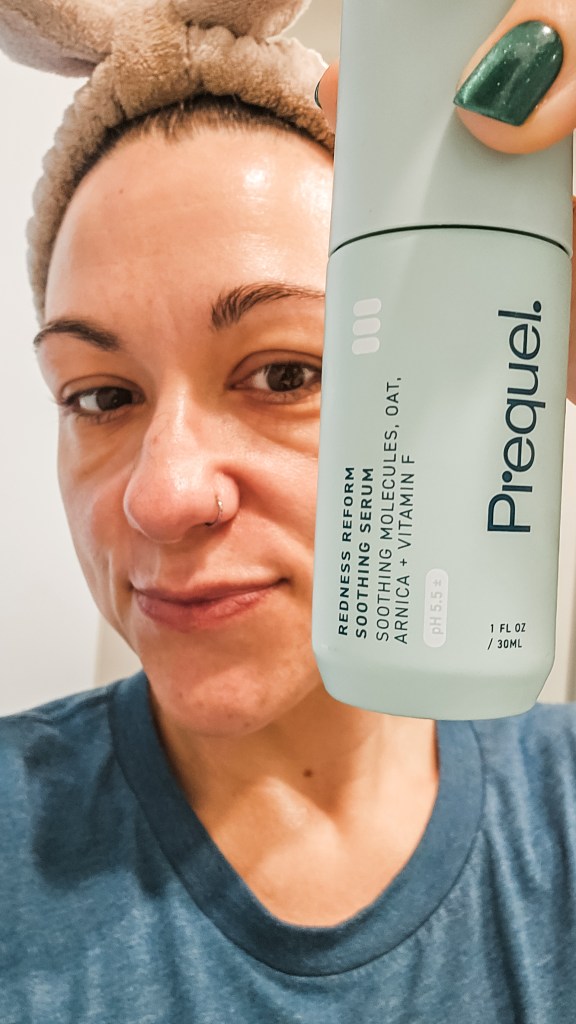
When skin feels less inflamed, it tolerates other products better. That’s why this was such an important “middle step” for me.
Step 4: Brighten and Repair (Only When the Barrier Is Ready)
Lucent-C
This is where timing matters.
Vitamin C works by supporting collagen production and fighting oxidative stress, which helps fade post-acne marks and improve texture. But high-potency L-ascorbic acid on an irritated barrier will make things worse, not better.
I only added this once my skin was calm and stable.
When I did, it helped:
- brighten dull skin
- smooth uneven texture
- fade leftover post-acne marks
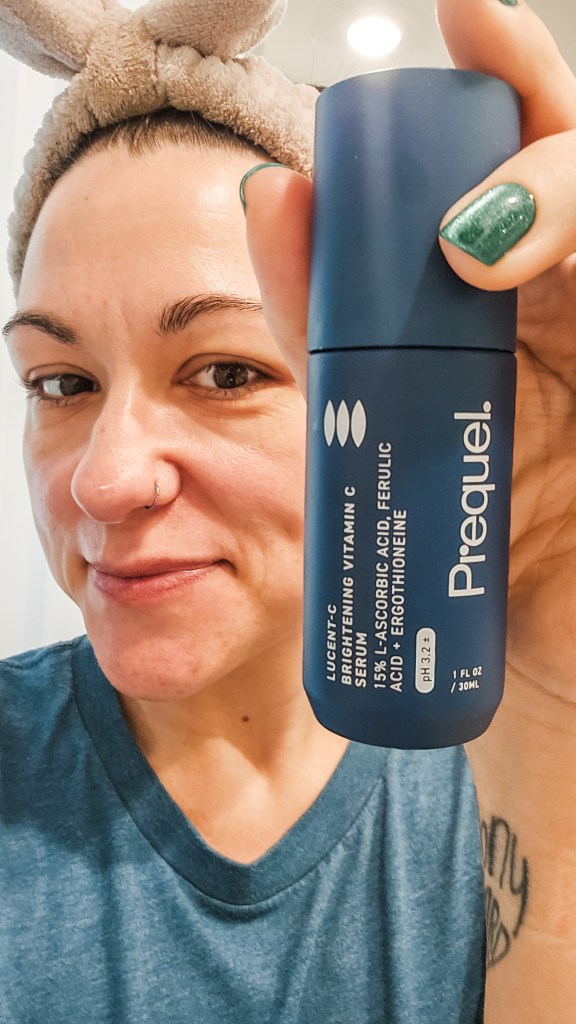
This isn’t an acne treatment. It’s a recovery step. If your skin isn’t ready, skip it. If it is, it’s incredibly effective.
Step 5: Normalize Hydration (Not Just “Moisturize”)
Urea Advanced Relief Moisturizing Milk
This lotion is doing far more than people realize.
Urea is naturally found in healthy skin. At the right concentration, it helps skin regulate hydration and gently softens rough texture. That’s why this lotion doesn’t just hydrate — it actually changes how skin feels.
For acne-prone skin, this matters because dehydrated skin often:
- produces more oil
- clogs more easily
- heals more slowly
This lotion helped normalize my skin instead of pushing it too dry or too heavy. That’s why it worked for my face and body during active acne.
And for legs… unreal. Truly.
Step 6: Slugging Without Suffocating the Skin
Skin Utility Gel
Traditional slugging works by sealing everything in with petrolatum. That can be amazing — or a nightmare — if you’re acne-prone.
This gel works differently.
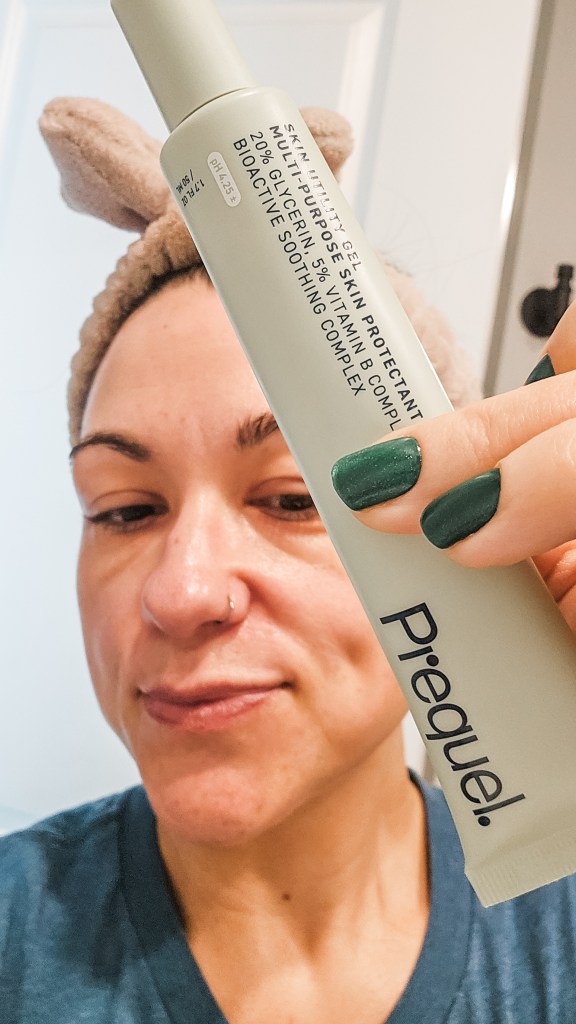
It’s humectant-heavy, with a very high concentration of glycerin. That means it pulls water into the skin and keeps it there, while still using lightweight silicones to reduce moisture loss.
So instead of trapping oil and bacteria, it:
- hydrates deeply
- protects the barrier
- stays breathable
This is why it worked as a slugging alternative during active breakouts.
Step 7: Seal and Protect Fragile Areas
Skin Utility Balm
This is where occlusion does matter.
Around the eyes, elbows, heels, and other compromised areas, you want something that:
- locks in hydration
- protects the barrier
- reduces ongoing irritation
This balm uses dimethicone, shea butter, ceramides, cholesterol, and centella, which mimic the skin’s natural lipid structure. That’s why it feels comforting instead of greasy.
I use it as my eye cream and as a sealing step over the urea lotion on dry areas. It’s not flashy, but it’s foundational.
Step 8: Support Proper Healing of Acne Marks
Scar Solutions Silicone Stick
Silicone is the gold standard for scar care because it creates the ideal healing environment.
It:
- keeps the skin hydrated
- helps regulate collagen production
- supports smoother, flatter healing
The stick format makes it easy to target individual healing spots without overdoing it. The added centella and soothing ingredients support repair without irritation.
This is about helping skin heal well, not fast.
Step 9: Protect All of Your Progress
Sun Barrier Mineral SPF 50
UV exposure makes post-acne marks linger longer. Full stop.
This mineral sunscreen works because zinc oxide protects without irritating already sensitized skin. The added soothing and antioxidant ingredients help calm the skin instead of provoking it.
If you’re treating acne and skipping sunscreen, you’re undoing your own work.
Why this routine actually worked
This wasn’t about “killing acne.”
It was about restoring balance.
- Less bacteria
- Less inflammation
- Better barrier function
- Smarter hydration
That’s why my skin finally stopped fighting me.
👉 Next blog post: what my skincare looks like after acne is cleared — maintenance, glow, and keeping things stable long-term.
This post is how I got my skin out of survival mode.
The next one is how I keep it there.
This post contains affiliate links, including links to my TikTok Shop. Thanks for supporting my content and trusting my recommendations.
 nicoleinscrubs.com