Let me save you from doing the absolute most this week.
If you just started a GLP-1 and suddenly feel like you’re supposed to become a protein, water, fiber, meal prep, movement, perfect little wellness machine overnight… please take a breath. That is one of the fastest ways to make this feel overwhelming.
And I get why it happens. Starting a GLP-1 can feel like a fresh start, especially if you’ve spent years feeling like your body was not responding the way everyone said it should.
So your brain starts making a whole list. More protein. More water. More fiber. More steps. Better sleep. Better meals. Track everything. Fix everything. Become an entirely different human by next Tuesday.
Respectfully… that is a lot.
You do not need to become a brand-new person this week. You need one honest starting point.
Ask yourself where you’re weakest right now. Not where the internet told you to start. Not what worked for someone else. Not what sounds the most impressive. Where are you honestly struggling the most?
If you’re getting decent protein but barely drinking water, start with hydration. If you’re drinking water but constipation has entered the chat against everyone’s wishes, fiber and fluids may need more attention. If your food is pretty solid but movement has been nonexistent, start with something small enough that you’ll actually do it. If protein is the thing you keep missing, start there.
The other areas are not unimportant. They may just be good enough for now while you focus on the area that needs the most support first.
That’s the part I wish more people understood about starting these meds. Progress over perfection sounds cute on Instagram, but with GLP-1s, it’s actually practical.
When you change everything at once, it gets harder to tell what is helping and what is making you feel worse. When you work on one thing at a time, you can actually pay attention to your body.
And that matters, especially if you’re already wondering whether your dose is working, whether you need an increase, or whether you’re doing something wrong.
Sometimes a dose conversation with your provider is absolutely appropriate. But sometimes the missing piece is much less dramatic than that. Maybe you’re not getting enough protein. Maybe your hydration is basically iced coffee and hope. Maybe constipation is making everything feel worse. Maybe your body needs more support before you decide the medication itself is the problem.
That is not about blaming yourself. It’s about walking into your next provider conversation with better information.
One habit at a time. One area of improvement at a time. One realistic change you can actually keep doing.
That is how this becomes sustainable.
Not perfect. Sustainable.
And honestly, that’s the goal.
I also made a short video version of this if you’d rather hear me talk through it instead of reading my full thoughts like we’re all pretending our attention spans are thriving.
And if you want the deeper explanation, I turned this into a full blog post too. I go into more detail about why trying to fix everything overnight can make starting a GLP-1 feel way more overwhelming than it needs to be.
If you’re already on a GLP-1 and wondering, “Is it me, or is it the med?” I made a free guide for exactly that. It walks you through the four questions I asked myself before every dose increase conversation so you can go into that appointment with more clarity and less spiraling.
XOXO, NIKI
PCOS. Perimenopause. Metabolic health. The real stuff. Not just “eat less, move more.”
I’m a registered nurse and health coach who shares real, BS-free information about metabolic health, PCOS, perimenopause, and weight loss, because y’all deserve better than vague wellness fluff. But here’s what I need you to know: I am not YOUR nurse. Everything I share here is for educational purposes only. It is not medical advice, it’s not a diagnosis, and it doesn’t create a provider-patient relationship between us. Nothing here replaces the care of a licensed provider who actually knows your full health history. The opinions and content here are my own and do not reflect the views of my employer or the hospital where I work.
Scope of practice
As a nurse health coach, I can recommend over-the-counter products and supplements that may support your wellness goals. I don’t prescribe specific prescription medications. When it comes to GLP-1s and peptides, what I can do is talk about the science, what’s available, and what may be beneficial, so you can have an informed conversation with your licensed medical provider. The decision about what’s right for your body always belongs to you and your provider. Always consult your licensed provider before starting any prescription treatment. These statements have not been evaluated by the FDA. Products discussed are not intended to diagnose, treat, cure, or prevent any disease.
Transparency
I only recommend things I actually trust. Most are products I personally use, some are from partners whose clinical standards I believe in. I will always let you know when it’s something I haven’t tried personally. Some links in this email are affiliate links or part of brand partnerships, which means I may earn a commission at no extra cost to you. As an Amazon Associate, I earn from qualifying purchases.
Results + Testimonials
Any testimonials or results shared here reflect individual experiences only. Results are not guaranteed and will vary based on individual circumstances.
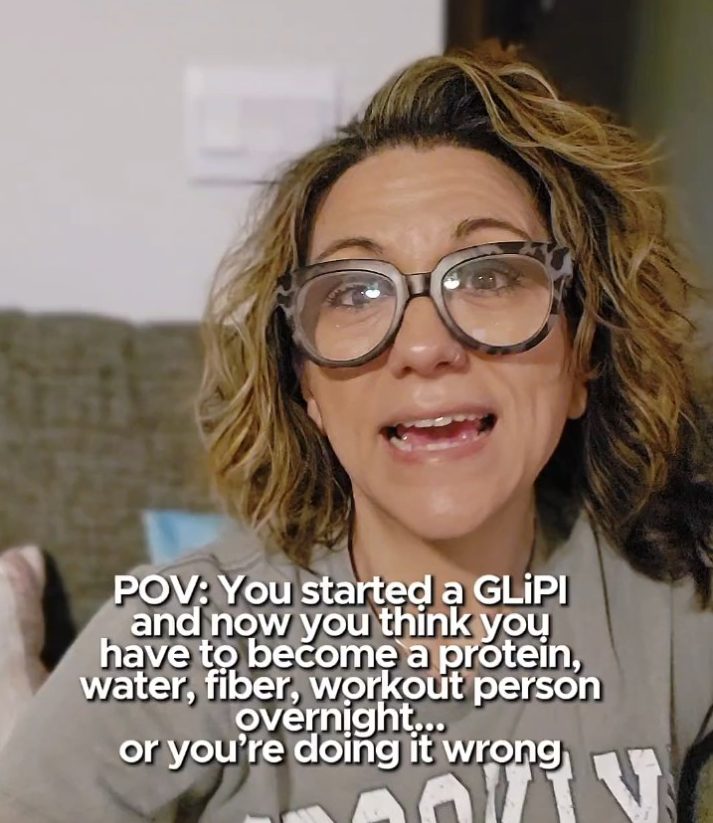
You’ve just started a GLP-1, and now it feels like you have to get your protein, water, fiber, and movement perfect right away, or you’re not doing it correctly.
Trying to do everything at once is a quick way to feel overwhelmed.
I’m a nurse who’s been on these medications for over two years and lost 94 pounds. If you’re starting a GLP-1, my main advice is this: you don’t have to fix everything right away. Start by choosing one area to work on first.
Focus on one habit at a time. Pick one area to improve. Make one realistic change you know you can stick with.
Aiming for perfection often makes people feel like they’ve failed before they even get started.
And I get why this happens. Starting a GLP-1 can feel like a fresh start, especially if you’ve spent years feeling like your body wasn’t responding the way everyone said it should. Suddenly you’re trying to hit a protein goal, drink a gallon of water, eat more fiber, move every day, meal prep, sleep better, track everything, and somehow become a calm, organized person who remembers to thaw chicken.
It sounds like a good plan, but it’s a lot to take on and hard to keep up.
You don’t need to become a brand-new person overnight.
You need to ask yourself one honest question: where am I weakest right now?
If you’re already getting enough protein,you don’t have to focus on it first just because the internet is yelling about it. If you’re barely drinking water, start with that. If you’re dealing with constipation, your fiber and fluids probably need attention. If movement has been nonexistent, start with something small enough that you’ll actually do it.
The other areas can wait for now.
Good enough counts, especially when you’re trying to build habits that need to last longer than your first burst of motivation.
Save this if starting GLiPI already feels overwhelming. One of the biggest mistakes I see people make when starting this part of their wellness journey is trying to change every habit in the first week. Protein intake. Water intake. Fiber. Movement. Meal timing. Sleep. Supplements. All at once. No wonder it feels like too much. If your appetite is changing, your cravings feel different, or your portions are shifting, that does not mean you need to become perfect at every healthy habit overnight. Start with the area that would make the biggest difference right now. For a lot of people, that might be protein. For someone else, it may be hydration, fiber, or getting more consistent with movement. This matters even more if you’re navigating PCOS, insulin resistance, perimenopause, metabolic health, or maintenance, because sustainable habits matter more than trying to do everything perfectly for two weeks and burning out. For me, it started with protein. Once that felt easier day to day, I moved on to fiber. Then I kept building from there. That is still how I approach maintenance now: one area at a time, not a total personality transplant by Friday. #metabolichealth#pcoswellness#healthyhabits#wellnessjourney#insulinresistance I’m an RN + health coach, but I’m not YOUR nurse. Everything I share is education & encouragement only. Not medical advice, not a diagnosis, not a promise of results. My job here is to help you understand your body so you actually know what to ask when you talk to your provider. Anything that requires a prescription or medical oversight? That’s between you & your licensed provider. This is not a DIY situation. Some links I share are affiliate links, including my partnership with EllieMD, which means I may earn a small commission at no extra cost to you. I only share things I personally use, trust, or have found genuinely helpful.
Why Trying to Do Everything Right Away Makes GLP-1s Feel Overwhelming
Protein, water, fiber, and movement are all important. The real issue is trying to get consistent with all of them at once, especially if they’re not already part of your routine.
This is where so many people get stuck. They start a GLP-1 and immediately think, “Okay, now I need to do this perfectly.” So they create a plan that looks amazing on paper but feels miserable by day four.
They try to eat differently, drink more water, increase fiber, exercise more, avoid side effects, track their progress, understand changes in appetite, and not get discouraged when the scale doesn’t move as expected.
That’s simply too much to handle all at once.
When it gets too hard, people start thinking they’re the problem and blame themselves. They think they’re not disciplined enough. They think they’re already failing. They think maybe they’re not using the medication correctly.
But most of the time, it’s not failure. It’s just trying to take on too many new habits at once.
Progress over perfection sounds great on Instagram, I know. But with GLP-1s, it’s actually practical. If you try to change everything overnight, you make it harder to figure out what’s helping and what’s making you feel worse. If you change one area at a time, you can actually pay attention and really notice how your body responds.
That’s the part people skip.
The Better GLP-1 Beginner Question: Where Am I Weakest Right Now?
Before you start adding more rules, ask yourself where you need the most support.
Not where you think you’re supposed to start. Not what someone else said worked for them. Not what sounds most impressive. Where are you honestly weakest right now?
That answer is where you should begin.
If you’re getting enough protein most days but you’re barely drinking water, hydration may need your attention first. If you’re drinking water but constipation is a problem, fiber and fluids may need more focus. If your food is solid but you barely move your body, movement may be the place to begin.
This doesn’t mean the other habits don’t matter. It means they may be good enough for now while you work on the weakest area first.
That’s how you make this less overwhelming. You stop trying to fix everything and start improving one thing.
If Protein Is Your Weakest Area on a GLP-1
If protein is your weakest area, it’s worth paying attention to because GLP-1 medications can lower your appetite. When you’re eating less overall, it’s easy to eat less protein without realizing it.
For me, protein made a huge difference. When I wasn’t getting enough, I felt it. My energy wasn’t great, I didn’t feel as steady, and I didn’t feel like I was supporting my body well while losing weight.
When you lose weight, your body doesn’t only pull from fat. Muscle can be affected too, especially if you’re not eating enough protein or doing any kind of strength-supporting movement. And muscle matters for metabolism, strength, and long-term maintenance.
That does not mean you need to suddenly become a grilled chicken influencer. Please no. We’ve all been through enough.
It means you may need to look at your actual intake and ask whether you’re getting enough protein for your body right now.
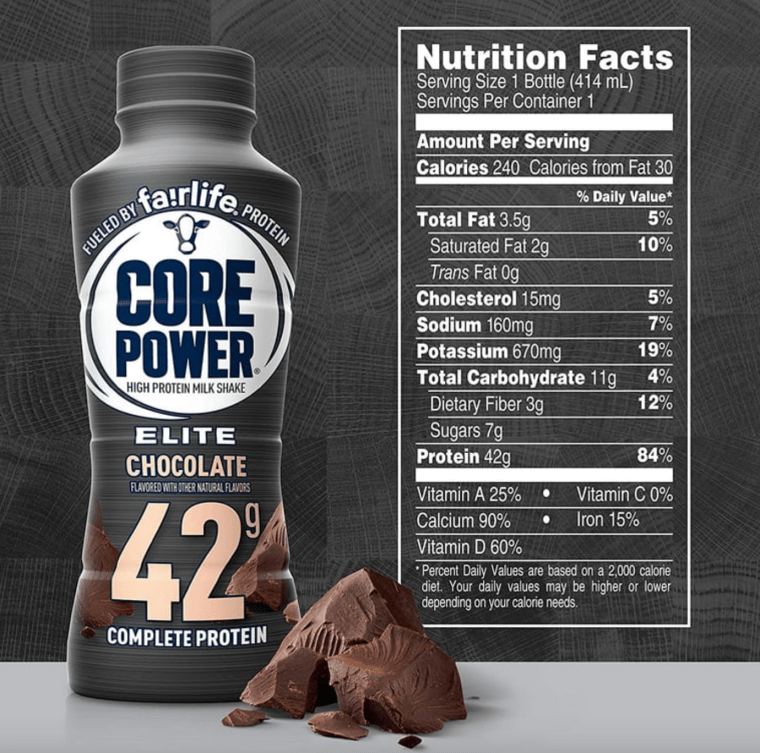
And if the answer is no, start simple. Add protein in a way you can actually repeat. That might mean Greek yogurt in the morning, a protein shake when solid food feels like too much, cottage cheese, eggs, tuna, rotisserie chicken, protein coffee, or whatever sits well with your stomach.
The goal isn’t to make your meals look impressive. The goal is to give your body what it needs in a way that works in your real life.
If Fiber Is Your Weakest Area on a GLP-1
If fiber is your weakest area, there’s a good chance your bathroom habits have already made that very clear. GLP-1s can slow digestion, and when digestion slows down, constipation can become a real issue.
Most people don’t talk about it until they’re uncomfortable, and then suddenly fiber becomes important. It’s interesting how things change when you really need a solution.
Fiber helps support digestion and keeps things moving, but this is not your sign to go from zero fiber to chia pudding, lentils, beans, raw vegetables, and three supplements overnight. That’s how you end up bloated and mad at everyone.
Ease into it.
You can add more fiber from foods like beans, berries, oats, vegetables you tolerate well, or whole grains that sit well with your stomach. Some people also use supplemental fiber because it’s easier to stay consistent, but fiber works best when you increase it gradually and drink enough fluids with it.
That’s important. Adding fiber without enough water can make things worse, and no one wants that.
So if constipation is your weakest area, don’t ignore it and assume the medication just isn’t working. Your digestive system may need support before you decide anything else needs to change.
If Water Is Your Weakest Area on a GLP-1
Hydration sounds basic, which is probably why so many people overlook it.
But if you’re on a GLP-1 and you feel tired, headachy, dizzy, foggy, nauseated, or just off, it’s worth asking how much water you’ve actually had. Not how much you planned to drink. Not how much your emotional support water bottle was carrying around for decoration. How much actually made it into your body?
When your appetite drops, you may naturally drink less, too. You may also get less fluid from food because you’re eating less overall. And if you’re dealing with nausea, vomiting, diarrhea, or constipation, hydration becomes even more important.
You don’t have to make drinking water your main focus. Just find ways to make it easier to get enough fluids.
Plain water counts. Flavored water counts. Electrolytes may help some people, especially if they’re eating less or losing more fluid through digestive side effects. Coffee still counts toward fluid intake, too, despite what diet culture has screamed into the void for years.
If water is your weakest area, start there. Don’t build a complicated meal plan while your body is running on iced coffee, half a bottle of water, and determination.
That’s not a good hydration plan.
If Movement Is Your Weakest Area on a GLP-1
If movement is your weakest area, that doesn’t mean you need to start an intense workout plan.
Movement does not have to be impressive to count. It doesn’t have to be an hour. It doesn’t have to be sweaty. It doesn’t have to involve matching activewear, a gym mirror, or a playlist called “beast mode” that makes everyone uncomfortable.
It just has to be something you’ll actually do.
Movement on a GLP-1 isn’t only about burning calories. It can help support digestion, muscle, metabolism, mood, and long-term maintenance. And when you’re losing weight, protecting muscle matters.
But again, start where you are.
Maybe that means walking more. Maybe it’s stretching. Maybe it’s a few minutes of strength training. Maybe it’s doing squats while the dog takes forever outside, which is ridiculous but effective. Maybe it’s dancing around your kitchen for ten minutes because that’s what you can realistically fit into your day.
The best movement plan isn’t the one that looks good online. It’s the one you’ll actually keep doing.
Before You Assume You Need a GLP-1 Dose Increase
If you’re already on a GLP-1 and wondering if it’s time to talk to your provider about a dose increase, I don’t want you to automatically assume the answer is yes or no.
I want you to have better information before that conversation.
Sometimes a dose adjustment really may be the next step. But sometimes the issue is that you’re not getting enough protein, barely drinking water, constipated, or not moving much at all. And no judgment, because I’ve absolutely had moments where I had to look at my own habits and go, “Well. That explains a few things.”
That’s not about blaming yourself. It’s about being honest enough to know what’s actually going on.
Before you assume the medication isn’t working, ask yourself if you’re giving it enough support to do its job. Protein, fiber, water, and movement are not magic, but they are the basics that can change how you feel on these meds.
And when you know where you’re weakest, your provider conversation gets a lot clearer.
Progress Over Perfection on a GLP-1
If you’re starting a GLP-1, you don’t have to change everything in your life right away.
You don’t need to be perfect at protein, water, fiber, and movement by the end of the week. You need one honest starting point.
Ask yourself where you’re weakest right now, and start there.
This isn’t forever, and it’s not because the other areas aren’t important. It’s just easier to build one new habit at a time than to try four at once.
That’s how you make this sustainable. Not by doing everything perfectly, but by doing one thing consistently enough that it becomes part of your real life. Then you build from there.
One habit at a time. One area of improvement at a time. One realistic change you can keep doing.
That’s the goal.
Free GLP-1 Guide: Is It Me, or the Med?
If you’re already on a GLP-1 and wondering whether it might be time to talk to your provider about a dose increase, I made a free guide for exactly that.
It’s called Is It Me, or the Med?
Inside, I walk you through the four questions I asked myself before every dose increase conversation with my doctor. I looked at whether I was getting enough protein, enough fiber, enough water, and enough movement before assuming my dose wasn’t enough.
This is the same real-life checklist I used to figure out whether the issue was my habits or my milligrams.
It’s not about judging yourself. It’s about walking into your next provider conversation with more clarity.
What should I focus on first when starting a GLP-1?
When you’re starting a GLP-1, focus on the area where you’re weakest right now. For some people, that’s protein. For others, it’s water, fiber, or movement. You don’t have to fix everything at once.
Why does protein matter on a GLP-1?
Protein matters on a GLP-1 because your appetite may be lower, which can make it easier to eat less protein without meaning to. Getting enough protein helps support your body while you’re losing weight.
Why does fiber matter on a GLP-1?
Fiber matters because GLP-1s can slow digestion, and slower digestion can contribute to constipation. Adding fiber slowly and drinking enough fluids can help support digestion.
Why is water important on a GLP-1?
Water is important because eating less may also mean drinking less. Hydration can affect how you feel, especially if you’re dealing with headaches, dizziness, fatigue, nausea, constipation, or digestive side effects.
Should I increase my GLP-1 dose if progress slows down?
A GLP-1 dose increase should be a conversation with your provider. Before assuming your dose needs to change, it helps to look honestly at your protein, fiber, water, and movement so you understand what may need support first.
Want to Know Who I Trust for GLP-1 Support?
If you’ve been wondering where I get my GLP-1 medication, who I trust, or what kind of telehealth option I’d actually feel comfortable sharing, I keep that info in one place.
After being on these meds for over 2 years, I’m pretty picky about this part. I want medically guided care, a real intake process, provider review, and no sketchy “wellness shortcut” nonsense dressed up with pretty branding.
As a Brand Partner with EllieMD, I share the option I personally use and trust so you can read through it, see how it works, and decide if it’s something you want to explore.
This post contains affiliate links and/or brand partnership content. I may earn a commission at no extra cost to you.
LET’S BE CLEAR ABOUT WHO I AM (AND WHO I’M NOT).
I’m a registered nurse and health coach who shares real, BS-free information about metabolic health, PCOS, perimenopause, and weight loss, because y’all deserve better than vague wellness fluff. But here’s what I need you to know: I am not YOUR nurse. Everything I share here is for educational purposes only. It is not medical advice, it’s not a diagnosis, and it doesn’t create a provider-patient relationship between us. Nothing on this site replaces the care of a licensed provider who actually knows your full health history. The opinions and content here are my own and do not reflect the views of my employer or the hospital where I work.
SCOPE OF PRACTICE.
As a nurse health coach, I can recommend over-the-counter products and supplements that may support your wellness goals. I don’t prescribe specific prescription medications. When it comes to GLP-1s and peptides, what I can do is talk about the science, what’s available, and what may be beneficial, so you can have an informed conversation with your licensed medical provider. The decision about what’s right for your body always belongs to you and your provider. Always consult your licensed provider before starting any prescription treatment — this is not something that should be DIY’d. These statements have not been evaluated by the FDA. Products discussed on this site are not intended to diagnose, treat, cure, or prevent any disease.
TRANSPARENCY.
I only recommend things I actually trust. Most are products I personally use, some are from partners whose clinical standards I believe in. I will always let you know when it’s something I haven’t tried personally. Some links on this site are affiliate links or part of brand partnerships, which means I may earn a commission at no extra cost to you. As an Amazon Associate I earn from qualifying purchases.
RESULTS + TESTIMONIALS.
Any testimonials or results shared on this site reflect individual experiences only. Results are not guaranteed and will vary based on individual circumstances.
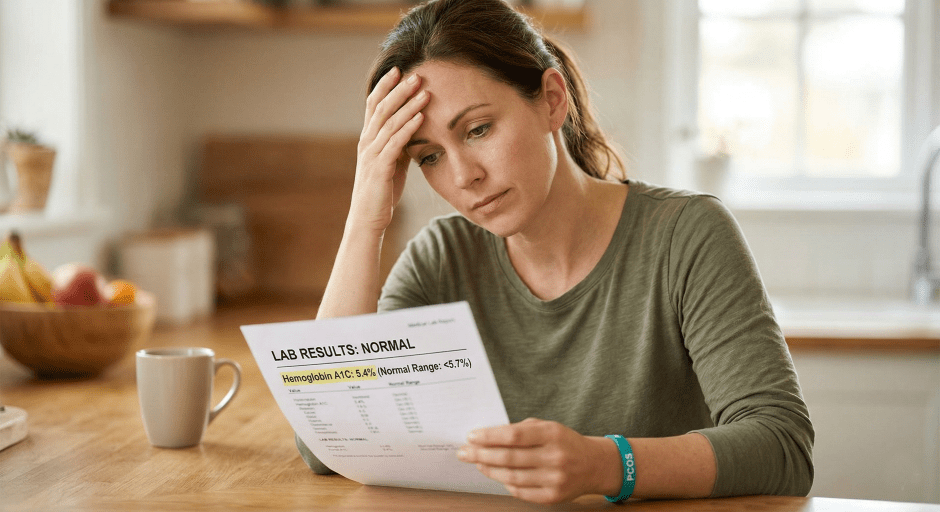
You leave your doctor’s appointment with the same answer you’ve gotten for the last five years. “Everything looks good. Labs are normal.”
And you sit in your car and think… then why do I feel like this? Why am I exhausted by 2pm every day? Why can’t I lose weight no matter what I do? Why does my brain feel like it’s running through fog? Why am I doing everything “right” and nothing is changing?
You’ve heard “your labs are normal” so many times that you’ve started to believe the problem must be you. Your discipline. Your effort. Your willpower.
It’s not you. And I need you to hear that.
Your labs might technically be within range. But “within range” and “optimal” are not the same thing. And the test that would actually tell you whether you have insulin resistance? There’s a very good chance your doctor never ordered it.
What Is a Fasting Insulin Test and Why Don’t Most Doctors Order It?
When you go in for your annual physical or routine bloodwork, your doctor typically checks two things related to blood sugar: your fasting glucose and your A1C (hemoglobin A1C).
Fasting glucose is a snapshot. It tells you what your blood sugar is right now, after you haven’t eaten for 8 to 12 hours. A result under 100 mg/dL is considered normal. Between 100 and 125 is prediabetes. Over 126 is diabetes.
A1C is a wider view. It measures your average blood sugar over the last 2 to 3 months by looking at how much sugar has attached to your red blood cells. Under 5.7% is normal. 5.7 to 6.4% is prediabetes. Over 6.5% is diabetes.
Both of these tests measure the same thing… glucose. They just measure it differently.
And here’s the problem: neither one tells you how hard your body is working to keep that glucose number “normal.”
Think of it this way. Imagine two women sitting in the same doctor’s office on the same day. Both have a fasting glucose of 94 mg/dL. Both A1Cs come back at 5.4%. Both get told their labs are normal.
But behind the scenes, the first woman’s pancreas is producing 5 units of insulin to maintain that glucose level. Easy. No sweat. Her metabolic system is cruising.
The second woman’s pancreas is grinding out 18 units of insulin just to hold the line at 94. Her body is working triple shifts to keep that number where it is. She’s exhausted, gaining weight she can’t explain, brain fog is constant, and she can’t stop thinking about food.
On paper, they look identical. Metabolically, they’re in completely different places.
The only way to see the difference? A fasting insulin test. And most routine bloodwork panels do not include it.
That’s not an oversight by your specific doctor. The National Institute of Diabetes and Digestive and Kidney Diseases (NIDDK) states plainly that doctors use blood tests to find out if someone has prediabetes, but they don’t usually test for insulin resistance. It’s just not part of the standard protocol. Which means millions of women are walking around with insulin resistance that nobody is looking for… because nobody is ordering the test that would find it.
What Is HOMA-IR and How Do You Calculate It?
A fasting insulin test measures how much insulin your pancreas is producing after you haven’t eaten. That number alone is helpful. But when you combine it with your fasting glucose, you can calculate something even more useful… your HOMA-IR score (Homeostatic Model Assessment of Insulin Resistance). This is essentially a number that tells you how insulin-resistant your body is.
The math is simple: (fasting glucose x fasting insulin) / 405.
Both values must come from the same fasting blood draw.
Here’s how to read your HOMA-IR score: Under 1.0 — Optimal insulin sensitivity. Your body is using insulin efficiently. 1.0 to 2.5 — Moderate range. Worth watching, especially if you have other risk factors like PCOS, family history of diabetes, or unexplained weight gain. Over 2.5 — Insulin resistance is likely present. Your pancreas is working harder than it should to keep your blood sugar in range. Over 3.0 — Significant insulin resistance. This level may already be driving symptoms… fatigue, weight gain, brain fog, food noise… even if your glucose and A1C still look completely normal on paper.
So why doesn’t your HOMA-IR show up on your standard bloodwork? A few reasons. Most standard metabolic panels are built around glucose, not insulin. Time constraints in a 15-minute appointment don’t leave room for expanded testing. And many providers follow a “wait and see” approach to borderline results… meaning they don’t dig deeper until your numbers actually cross into prediabetes or diabetes territory.
By then, the damage has been building for years.
Can You Have Insulin Resistance with Normal Blood Sugar and a Normal A1C?
Yes. And this is the part that makes me want to flip a table.
Your fasting glucose can be perfect. Your A1C can be textbook. And insulin resistance can still be building behind the scenes for years because your pancreas is compensating… producing more and more insulin to keep your blood sugar in range.
According to the Cleveland Clinic, as long as your pancreas can make enough insulin to overcome the resistance, your blood sugar levels will stay in a healthy range and you won’t have any symptoms. But over time, the cells that make insulin can wear out. That’s when blood sugar finally rises. That’s when you get the prediabetes or diabetes diagnosis. But the insulin resistance? That started long before the numbers changed.
Research from a peer-reviewed study published in a PMC journal found that elevated insulin levels in the absence of impaired glucose tolerance and normal A1C may actually be a much earlier indicator of metabolic disease risk than glucose or A1C alone. In other words… insulin was waving a red flag the whole time. Nobody was watching for it.
How Many People Have Undiagnosed Insulin Resistance and Prediabetes?
According to the CDC’s most recent National Diabetes Statistics Report (January 2026), over 115 million American adults have prediabetes. And 8 in 10 of them don’t know it.
Let that sink in for a second. 80% of people with prediabetes are walking around right now being told their labs are normal.
On top of that, research published in Diabetes Care found that using A1C alone to screen for prediabetes missed about 75% of at-risk individuals. The study specifically noted that A1C was less sensitive for detecting at-risk individuals compared to fasting glucose and glucose tolerance testing… and none of those tests even measure insulin.
Meanwhile, a growing body of research shows that elevated insulin levels can appear years… and according to some researchers, potentially even decades… before blood sugar ever crosses into an abnormal range. Your pancreas is working overtime to keep your glucose normal, and nobody’s checking to see how hard it’s working.
Why Insulin Resistance Testing Matters Even More If You Have PCOS
If you have polycystic ovary syndrome, this isn’t just relevant. It may be the entire missing piece of your health puzzle.
Research estimates that insulin resistance affects between 50 and 80% of women with PCOS… including women who are not overweight. That’s not a small subset. That’s the majority. And many of those women have never had their insulin levels checked.
Insulin resistance in PCOS doesn’t just affect blood sugar. It directly drives excess androgen (testosterone) production, which can cause irregular periods, acne, hair loss, excess body hair, and difficulty getting pregnant. The cycle looks like this: insulin resistance leads to higher insulin levels, which triggers increased androgen production, which disrupts ovulation, which worsens PCOS symptoms. It feeds itself.
And the whole time, your fasting glucose and A1C may look completely normal because your pancreas is compensating.
One peer-reviewed study in the Journal of Clinical Medicine proposed that the medical community needs to shift from a “glucose-centric” approach to an “insulin-centric” model when managing PCOS… because by the time glucose rises, the metabolic damage has already been happening for years. The study emphasized that early identification of insulin resistance would enable timely intervention and could reduce the risk of long-term metabolic and reproductive complications.
If you’ve been told your labs look fine but you’re still gaining weight, still exhausted, still struggling with PCOS symptoms that nobody can explain… this may be why. The right labs were never ordered.
What Blood Tests Should You Ask Your Doctor For?
Ask for a fasting insulin test at your next appointment.
It’s a simple blood draw done at the same time as your regular fasting labs.
You may need to specifically request it… many providers won’t think to order it unless you ask.
If your provider pushes back, you can explain that you’d like to assess insulin resistance beyond what glucose and A1C alone can show.
The NIDDK confirms that providers don’t usually test for insulin resistance as part of standard screening.
That doesn’t mean the test isn’t available or valuable. It means you may need to advocate for yourself.
Know your HOMA-IR score.
Once you have your fasting insulin and fasting glucose from the same blood draw, you can calculate it yourself:
(fasting glucose x fasting insulin) / 405.
Under 1.0 is optimal.
Over 2.5 starts to suggest insulin resistance.
Over 3.0 is significant.
There are also free HOMA-IR calculators online if math isn’t your thing.
Ask about a full hormone panel if you have PCOS or suspect it.
Fasting insulin
HOMA-IR
testosterone (total and free)
DHEA-S
LH
FSH
lipid panel
These give a much more complete picture of what’s happening metabolically and hormonally than glucose and A1C alone.
Know the difference between “normal range” and “optimal.”
Lab reference ranges are based on population averages… they tell you where most people fall, not where you should be for your best health.
A fasting glucose of 98 is technically “normal” but it’s not optimal.
An A1C of 5.6 is technically “normal” but it’s one decimal point from a prediabetes diagnosis.
Don’t let “in range” make you stop asking questions.
Trust your body.
If you feel like something is off, something probably is.
I was the woman in the car. I had PCOS. I had high blood pressure, high cholesterol, and sleep apnea. I was labeled pre-diabetic for about eight months in 2006… and then my A1C came back down and everybody moved on. Normal. Case closed.
Except my white blood cell count kept showing chronic inflammation. Nobody connected those dots. Nobody said “hey, your A1C looks better but let’s dig deeper into WHY your body is still inflamed, WHY you can’t lose weight, WHY none of this is adding up.”
I never got the right tests. I still haven’t. What I got was a doctor who finally looked at me and said… something isn’t adding up. The calories in versus calories out math wasn’t mathing. My body wasn’t responding the way it should have been. And instead of handing me another pamphlet, he prescribed a GLP-1.
That changed everything. But I think about how many years I spent blaming myself for something that had a physiological explanation nobody bothered to look for. How many times I white-knuckled a diet and watched the scale not move and thought it was ME.
I’m a NICU nurse. I believe in evidence. I believe in labs. But I also believe that the wrong labs… or the incomplete ones… can leave you blaming yourself for something that was never your fault.
If your doctor says your labs are normal but your body is screaming that something is wrong… believe your body. Then go get the right labs. The ones I’m telling you about in this post? I wish someone had told me about them ten years ago.
Frequently Asked Questions About Insulin Resistance and Lab Testing
Can you have insulin resistance with a normal A1C?
Yes. Insulin resistance can develop years before your A1C ever moves out of the normal range. Your pancreas compensates by producing more insulin to keep blood sugar stable. As long as it can keep up, your glucose and A1C may look fine on paper while insulin resistance builds underneath. A fasting insulin test or HOMA-IR calculation can reveal what glucose-based tests miss.
What is HOMA-IR and how do I get tested?
HOMA-IR stands for Homeostatic Model Assessment of Insulin Resistance. It’s not a separate blood test… it’s a calculation using two values from a single fasting blood draw: your fasting glucose and your fasting insulin. The formula is (fasting glucose x fasting insulin) / 405. A score under 1.0 is considered optimal. Over 2.5 suggests insulin resistance. Over 3.0 is significant. You’ll need to ask your doctor to order a fasting insulin level since it’s not included in standard metabolic panels.
Does a normal fasting glucose mean I don’t have insulin resistance?
Not necessarily. Your fasting glucose measures what your blood sugar is at one moment in time. It doesn’t tell you how much insulin your body needed to get it there. Two people can have the exact same fasting glucose but very different insulin levels… and very different levels of metabolic stress happening behind the scenes.
Why doesn’t my doctor test for insulin resistance?
Most standard bloodwork panels focus on glucose, not insulin. The NIDDK notes that providers don’t usually test for insulin resistance as part of routine screening. It’s not that the test doesn’t exist or isn’t valuable. It’s that the current standard of care doesn’t include it unless you specifically ask or your provider is thinking beyond the basics.
What blood tests should I ask for if I have PCOS?
For a more complete metabolic and hormonal picture, consider asking about: fasting insulin, fasting glucose (to calculate HOMA-IR), A1C, testosterone (total and free), DHEA-S, LH, FSH, and a full lipid panel. These tests together can reveal insulin resistance, hormonal imbalances, and metabolic risk factors that glucose and A1C alone would miss.
Is it too late to test for insulin resistance in my 40s?
No. Research shows that lifestyle and medical interventions can reduce the risk of progressing from insulin resistance to type 2 diabetes significantly… even in midlife. The earlier you identify insulin resistance, the more options you have. But “earlier” doesn’t mean it has to be your 20s. It means earlier than waiting for a diabetes diagnosis.
Not sure where to start? My free Wellness Strategy Quiz can help you figure out what to focus on first based on where you are right now
Lorenzo C, et al. “A1C Between 5.7 and 6.4% as a Marker for Identifying Pre-Diabetes, Insulin Sensitivity and Secretion, and Cardiovascular Risk Factors.” Diabetes Care. 2010;33(9):2104-2109.
Parker J. “Recognizing the Role of Insulin Resistance in Polycystic Ovary Syndrome: A Paradigm Shift from a Glucose-Centric Approach to an Insulin-Centric Model.” Journal of Clinical Medicine. 2025;14(12):4021.
“Hyperinsulinemia: An Early Biomarker of Metabolic Dysfunction.” PMC. 2023. pmc.ncbi.nlm.nih.gov/articles/PMC10186728
Cleveland Clinic — Insulin Resistance: What It Is, Causes, Symptoms & Treatment — my.clevelandclinic.org/health/diseases/22206-insulin-resistance
“Markers of Insulin Resistance in Polycystic Ovary Syndrome Women: An Update.” World Journal of Diabetes. 2022. pmc.ncbi.nlm.nih.gov/articles/PMC8984569
“Insulin Resistance, Metabolic Syndrome and Polycystic Ovaries: An Intriguing Conundrum.” Frontiers in Endocrinology. 2025.
Ezeh U, et al. “Detecting Insulin Resistance in Polycystic Ovary Syndrome: Purposes and Pitfalls.” PubMed. 2004.
This site contains affiliate links and/or brand partnership content. I may earn a commission at no extra cost to you.
LET’S BE CLEAR ABOUT WHO I AM (AND WHO I’M NOT).
I’m a registered nurse and health coach who shares real, BS-free information about metabolic health, PCOS, perimenopause, and weight loss, because y’all deserve better than vague wellness fluff. But here’s what I need you to know: I am not YOUR nurse. Everything I share here is for educational purposes only. It is not medical advice, it’s not a diagnosis, and it doesn’t create a provider-patient relationship between us. Nothing on this site replaces the care of a licensed provider who actually knows your full health history. The opinions and content here are my own and do not reflect the views of my employer or the hospital where I work.
SCOPE OF PRACTICE.
As a nurse health coach, I can recommend over-the-counter products and supplements that may support your wellness goals. I don’t prescribe specific prescription medications. When it comes to GLP-1s and peptides, what I can do is talk about the science, what’s available, and what may be beneficial, so you can have an informed conversation with your licensed medical provider. The decision about what’s right for your body always belongs to you and your provider. Always consult your licensed provider before starting any prescription treatment — this is not something that should be DIY’d. These statements have not been evaluated by the FDA. Products discussed on this site are not intended to diagnose, treat, cure, or prevent any disease.
TRANSPARENCY.
I only recommend things I actually trust. Most are products I personally use, some are from partners whose clinical standards I believe in. I will always let you know when it’s something I haven’t tried personally. Some links on this site are affiliate links or part of brand partnerships, which means I may earn a commission at no extra cost to you. As an Amazon Associate I earn from qualifying purchases.
RESULTS + TESTIMONIALS.
Any testimonials or results shared on this site reflect individual experiences only. Results are not guaranteed and will vary based on individual circumstances.
Nope. Protein is literally one of the most important tools in your toolbox when you’re losing weight. It helps your body hold onto muscle while it burns fat, keeps you fuller longer so you’re not raiding the pantry two hours later, and it supports your metabolism so your body keeps working for you even when you’re just sitting there scrolling TikTok.
Here’s the nerdy nurse part: when you’re in a calorie deficit, your body doesn’t just pull from fat stores. It’ll grab muscle too if you’re not giving it enough protein to work with. Less muscle means a slower metabolism, which means everything gets harder. Protein helps prevent that by giving your body what it needs to rebuild and repair instead of break down.
But here’s where it gets tricky… not all protein is created equal. Some are super high quality and easy for your body to absorb, and others might as well be flavored air. I’ve tested just about everything — powders, shakes, bars, even a few science experiments that should’ve stayed on the shelf — so I’m gonna share the ones that are actually worth your time (and your taste buds).
This post contains affiliate links and/or brand partnership content. I may earn a commission at no extra cost to you.
LET’S BE CLEAR ABOUT WHO I AM (AND WHO I’M NOT).
I’m a registered nurse and health coach who shares real, BS-free information about metabolic health, PCOS, perimenopause, and weight loss, because y’all deserve better than vague wellness fluff. But here’s what I need you to know: I am not YOUR nurse. Everything I share here is for educational purposes only. It is not medical advice, it’s not a diagnosis, and it doesn’t create a provider-patient relationship between us. Nothing on this site replaces the care of a licensed provider who actually knows your full health history. The opinions and content here are my own and do not reflect the views of my employer or the hospital where I work.
SCOPE OF PRACTICE.
As a nurse health coach, I can recommend over-the-counter products and supplements that may support your wellness goals. I don’t prescribe specific prescription medications. When it comes to GLP-1s and peptides, what I can do is talk about the science, what’s available, and what may be beneficial, so you can have an informed conversation with your licensed medical provider. The decision about what’s right for your body always belongs to you and your provider. Always consult your licensed provider before starting any prescription treatment — this is not something that should be DIY’d. These statements have not been evaluated by the FDA. Products discussed on this site are not intended to diagnose, treat, cure, or prevent any disease.
TRANSPARENCY.
I only recommend things I actually trust. Most are products I personally use, some are from partners whose clinical standards I believe in. I will always let you know when it’s something I haven’t tried personally. Some links on this site are affiliate links or part of brand partnerships, which means I may earn a commission at no extra cost to you. As an Amazon Associate I earn from qualifying purchases.
RESULTS + TESTIMONIALS.
Any testimonials or results shared on this site reflect individual experiences only. Results are not guaranteed and will vary based on individual circumstances.
Before we even get into glycine, we have to talk about amino acids.
And don’t worry, I’m not giving you a textbook. I’m giving you the way I break things down when someone looks at me like their brain just froze and says “explain that again… slower.”
Glycine as an oral amino acid supplement, often used for sleep and recovery support.
Amino acids are your body’s tiny building blocks. Picture them like the individual beads on a long necklace. Each bead matters. The necklace only works when all the beads are there and in the right order. That’s how proteins work in your body. They’re these long chains built from amino acids, and proteins run pretty much everything your body needs to do.
Hormones. Healing. Muscle repair. Brain chemicals that decide whether you’re calm or jittery. Skin, joints, immune support. All of it starts with these little building block beads.
Glycine is one of those beads. It’s small but seriously important.
It helps your nervous system settle so you can move into deeper, more restorative sleep. It plays a role in collagen. It supports recovery. And it’s one of those quiet contributors you don’t notice until it’s finally there and you start feeling steadier.
Now here’s where the weekly injection part comes in.
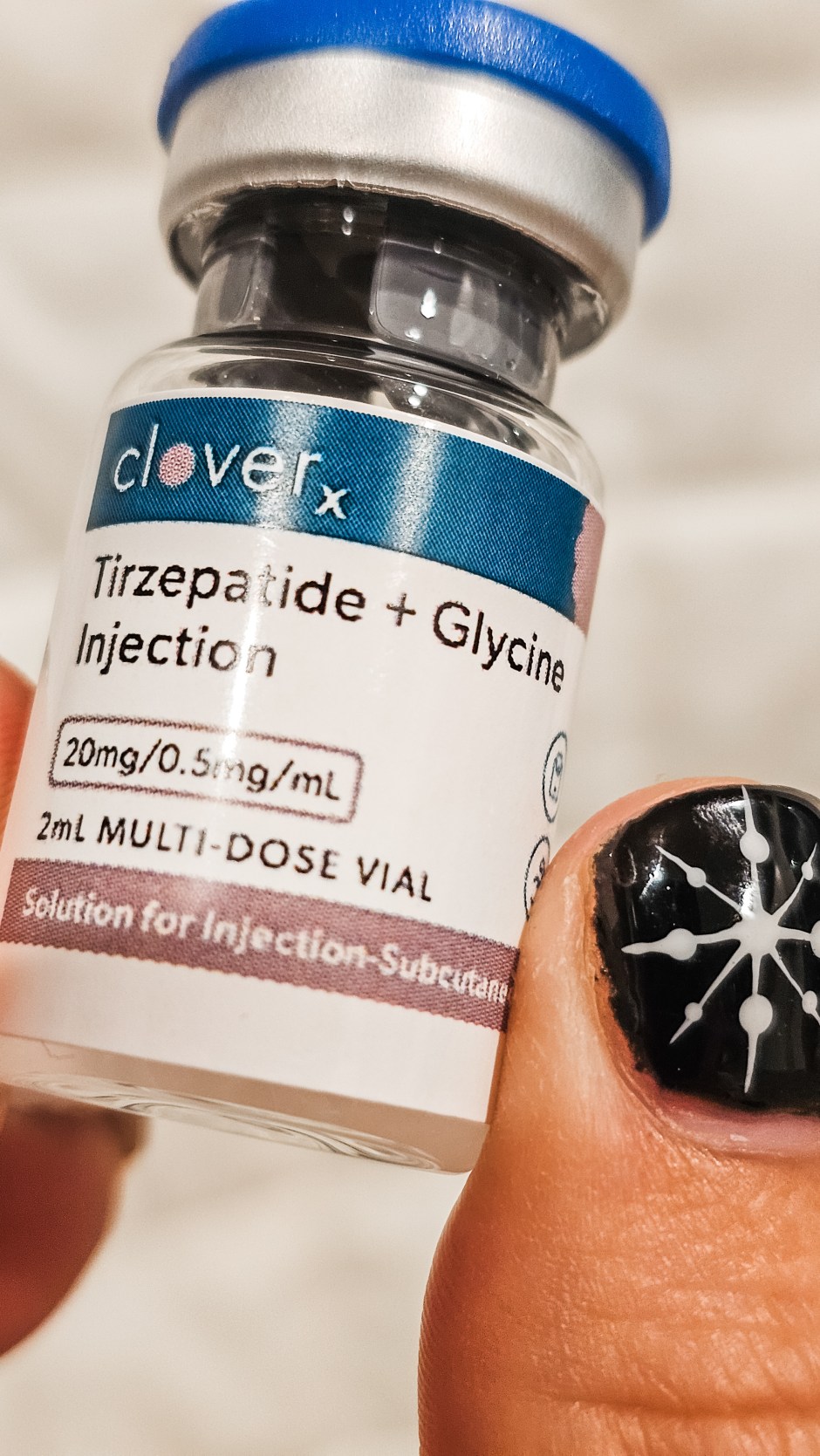
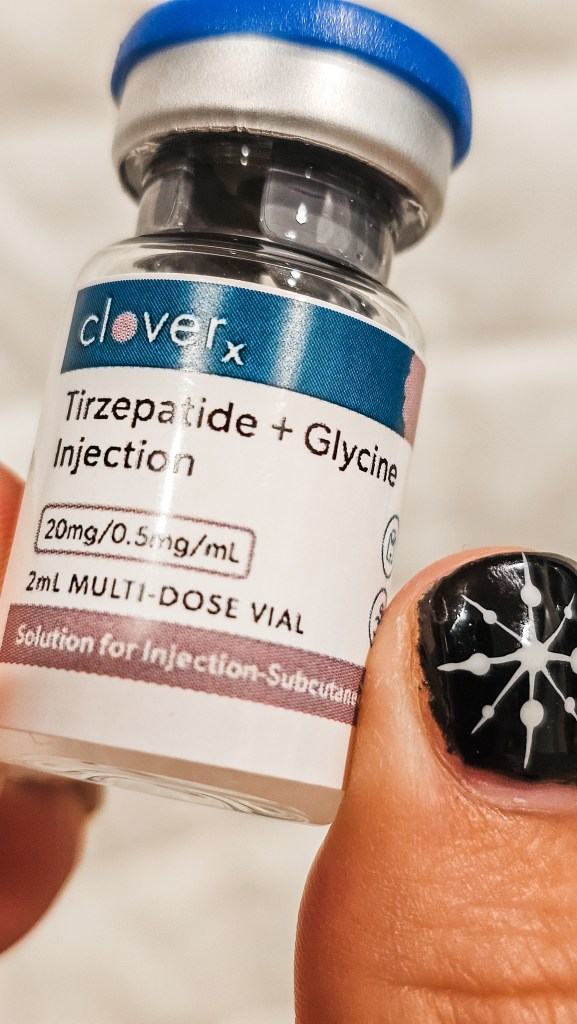
Compounded GLP-1/GIP medication with glycine added for supportive benefits.
When glycine is added to your GLP1 or GLP1 GIP injection, it’s not something you take “as needed.” You’re not grabbing it on nights when you can’t sleep or tossing it in like a supplement. It’s built into your once a week routine, giving your body a consistent, predictable level to work with. And that consistency is exactly what makes it helpful.
If you’re in maintenance, glycine can help keep you regulated. Better sleep. Smoother recovery. A calmer nervous system. Those pieces matter a lot when your goal is staying steady instead of losing.
If you’re in active weight loss, glycine still pulls its weight. Your body is adjusting, repairing, rebuilding, and shifting behind the scenes. Better sleep and better recovery help your system handle all of that without feeling drained or overstressed. Glycine basically supports the “invisible” work that happens during this phase.
So no matter where you are in your journey, glycine isn’t dramatic or flashy. It’s just steady support that shows up week after week, working quietly in the background while your body handles the rest.
Next up, we can dive into L Carnitine or NAD. Whichever one you want next, I’ve got you.
This post contains affiliate links and/or brand partnership content. I may earn a commission at no extra cost to you.
LET’S BE CLEAR ABOUT WHO I AM (AND WHO I’M NOT).
I’m a registered nurse and health coach who shares real, BS-free information about metabolic health, PCOS, perimenopause, and weight loss, because y’all deserve better than vague wellness fluff. But here’s what I need you to know: I am not YOUR nurse. Everything I share here is for educational purposes only. It is not medical advice, it’s not a diagnosis, and it doesn’t create a provider-patient relationship between us. Nothing on this site replaces the care of a licensed provider who actually knows your full health history. The opinions and content here are my own and do not reflect the views of my employer or the hospital where I work.
SCOPE OF PRACTICE.
As a nurse health coach, I can recommend over-the-counter products and supplements that may support your wellness goals. I don’t prescribe specific prescription medications. When it comes to GLP-1s and peptides, what I can do is talk about the science, what’s available, and what may be beneficial, so you can have an informed conversation with your licensed medical provider. The decision about what’s right for your body always belongs to you and your provider. Always consult your licensed provider before starting any prescription treatment — this is not something that should be DIY’d. These statements have not been evaluated by the FDA. Products discussed on this site are not intended to diagnose, treat, cure, or prevent any disease.
TRANSPARENCY.
I only recommend things I actually trust. Most are products I personally use, some are from partners whose clinical standards I believe in. I will always let you know when it’s something I haven’t tried personally. Some links on this site are affiliate links or part of brand partnerships, which means I may earn a commission at no extra cost to you. As an Amazon Associate I earn from qualifying purchases.
RESULTS + TESTIMONIALS.
Any testimonials or results shared on this site reflect individual experiences only. Results are not guaranteed and will vary based on individual circumstances.
Summer is fast approaching, and if I’m being totally honest, a couple of years ago that thought would have sent me into a literal panic.
I used to dread this season. There were summers when I didn’t even own a bathing suit that fit. I refused to buy shorts because I was so uncomfortable in my own skin. Instead, I lived in long dresses and leggings because they felt “safer” and more hidden, even in the middle of a Southern heatwave.
192 lbs and right on the edge of a total life change. This was the moment I stopped making excuses.
Pool invites? They stressed me out. Beach trips? They felt exposing and exhausting. And photos? Absolutely not. I was the queen of hiding in the back or offering to be the one taking the picture so I didn’t have to be in it.
The Willpower Myth
For years, I kept telling myself I just needed more discipline. I thought I needed more willpower or maybe just one more “perfect” fad diet to finally see results. So, I did what we all do. I counted every single calorie. I tracked every tiny bite. I tried whatever new trend was blowing up on social media that month.
And every time it didn’t “stick,” I blamed myself. I felt like a failure because my “math wasn’t mathing” no matter how hard I worked.
Upgrading the Strategy
What actually changed everything for me? I stopped fighting my biology and started upgrading my strategy.
I stopped counting calories. No more obsessing over every number.
I started eating intelligently. I focused on Protein first and Fiber daily (IYKYK 💩).
The “Food Noise” quieted. My body finally had the metabolic support it was screaming for.
Everything fell into place. My health risks vanished and my energy came back.
A Whole New View
This past summer? Things looked a lot different. I actually had a whole drawer of bathing suits. An actual drawer! And yes, a whole drawer of shorts too.
Living my life again at 115 lbs! I finally have the energy and confidence to show up for every moment.
That didn’t come from “trying harder” or white-knuckling my way through another restrictive meal plan. It came from finally giving my body the tools it needed to succeed.
Summer is coming either way, sis. You get to decide how you walk into it this year. Are you going to be hiding in the back, or are you ready to finally feel like the main character of your own life?
Ready to make this your best summer yet?
If you are exhausted from fighting your own biology, let’s chat! You don’t have to do this alone.
Want a personalized plan? Let me help you create the best wellness strategy to fit your needs. TAKE MY QUIZ NOW or if you’d prefer to talk to me on the phone CLICK HERE TO BOOK A FREE 15 MIN CALL WITH ME
Let’s talk through your concerns and see if this path is right for you! Or, you can GET STARTED THROUGH MY SITE if you already know you’re ready to see your own math finally math, let’s go!
☀️ My “Main Character” Summer Essentials Checklist
If you are ready to stop hiding in the leggings and start enjoying the sunshine, here is what is in my beach bag this season. These are my non-negotiables for staying energized and feeling like a 10/10 while I’m out and about!
The Perfect Summer Sip: A crisp Diet Cherry Coke or a refreshing Alani Nu (I’m currently reaching for the fruitier flavors to match the vibe). It’s all about that bubbly energy without the sugar crash!
The “Confidence” Romper: You saw the pink romper! My summer essential is having at least one outfit that makes me feel absolutely radiant. No more “safe” long dresses for this girl!
My Ellie MD Support: I never go into a new season without checking in with my team. Having that metabolic support means I can enjoy the summer without the “math isn’t mathing” stress.
Professional Disclosure: I provide BS-free metabolic education as a registered nurse and health coach for women navigating PCOS, perimenopause, and stubborn weight loss. While I share evidence-based research and nurse-informed support, please remember that I am not your nurse. The content shared here is for educational purposes only. It does not constitute medical advice, diagnosis, or treatment, and it does not establish a provider-patient relationship. Nothing on this site is a substitute for care from a licensed provider who knows your full health history. All opinions and content shared on this platform are my own and do not reflect the views or endorsements of my employer or the hospital where I am employed.
Scope of Practice and FDA: Per professional coaching guidelines, I may recommend over the counter (OTC) medications or supplements to support your wellness goals. However, I do not prescribe or recommend specific prescription medications. For prescription options, including GLP-1 tools, my role is to help you understand the available science so you can have an informed discussion with your licensed healthcare provider. These statements have not been evaluated by the Food and Drug Administration. Products discussed are not intended to diagnose, treat, cure, or prevent any disease, and medical treatments require professional oversight.
Trust and Transparency: I only recommend products I trust. Most are items I use personally, while others are shared based on my professional trust in the clinical standards of partners like Ellie MD. Some links are affiliate links or part of brand partnerships, which means I may earn a commission at no extra cost to you. As an Amazon Associate I earn from qualifying purchases.
Three years ago, I stood on the scale and saw 209 lbs staring back at me. That number was more than just a reflection of my weight. It was a reflection of how much I’d been struggling in silence. My body wasn’t just unhappy. It was literally screaming for help, and I was doing my absolute best to ignore it.
This was me at 209lbs. I was in total denial about how bad it had actually gotten. My health was suffering, and I was just trying to ignore the truth.
Let me set the stage for you. My blood pressure was completely out of control. Honestly, it was at stroke level dangerous. As a nurse who started out on a neurosurgical unit in the “stroke capital of the world,” I knew exactly what those numbers meant. To be frank, it freaked me the eff out. My cholesterol levels weren’t much better, and then I was hit with a sleep apnea diagnosis that I tried to pretend wasn’t a thing. Spoiler alert: denial doesn’t magically make the snoring stop. Who knew? 😅
On top of all that, my energy was gone, my confidence was shattered, and I felt like I was stuck in a never-ending loop of “lose 5lbs, gain 10 back.”
192 lbs and right on the edge of a total life change. This was the moment I stopped making excuses.
When the “Math Didn’t Math”
Fast forward to about 2.5 years ago. My doctor and I finally said, “enough is enough.” I had managed to lose 30lbs on my own, but with the tiniest change of adding just one regular soda back to my diet once a month, I quickly gained 20lbs back. My doctor agreed with me that my math just didn’t math. My calories in were not equaling my calories out, which is something so many women with PCOS struggle with!
At 192 lbs, I began my GLP-1 weight loss journey. Let me tell you, it was one of the best decisions I’ve ever made for my longevity. Thanks to my incredible telehealth team at EllieMD, I finally had the tools, guidance, and accountability to turn things around. They monitored my progress and kept my wellness plan on point. The community was there to cheer me on, even when I was tempted to drown my frustrations in chips. Because, let’s be honest, sometimes the snacks really do call your name! 🍟🙈
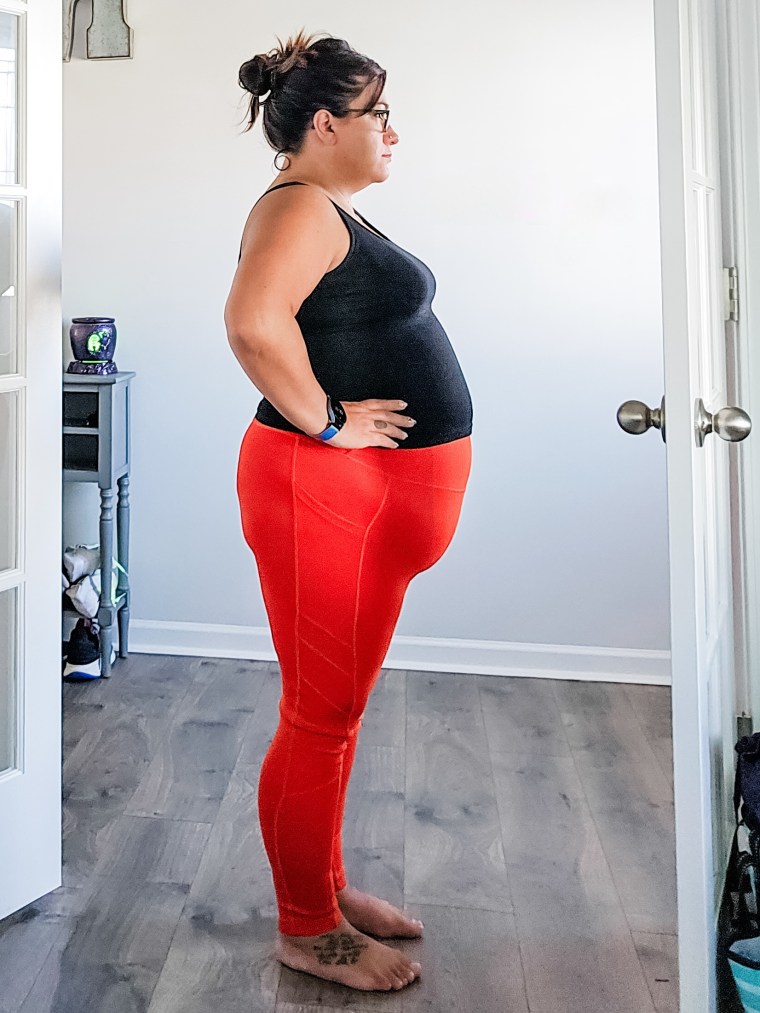
October 3, 2023. 192.6 lbs. This was the day I finally stopped talking about it and started my first GLP-1 injection.
I remember standing there on October 3, 2023, taking a side-profile photo at 192.6 lbs. I was terrified, but I knew I needed that ‘before’ because this time, I was actually going to change my life with GLP-1
There’s a specific milestone around 150 lbs where the ‘paper towel effect’ kicked in. Suddenly, the clothes I was wearing, like this bright blue dress I finally felt confident in, started fitting differently, and for the first time, I didn’t want to hide from the camera.
Pushing Past 135 lbs
I really thought 135 lbs was my absolute “ceiling” because, for my entire adult life, my body had drawn a line in the sand right there.
To understand why that number felt like a dead end, we have to go back to when I was 19. I was 115 lbs and decided to go on the Depo-Provera shot. Little did I know, I had undiagnosed PCOS, and that medication threw my hormones into a literal tailspin. I gained 15 lbs in just 72 hours. Let that sink in! Over the next few months, while that medication was still in my system, I gained another 15 lbs.
135 lbs. The weight I thought was my “finish line” because I hadn’t been lower since I was 19. I was so wrong!
For the longest time, 150 lbs became my frustrating “baseline.” I had managed to drop down near that initial 15 lb gain once before, but I could never, ever break below it. Every other time I tried to lose weight, I hit a wall at that second 15 lb mark and stayed stuck.
But I have to be real with you: the times in my past when I did get down to 150, or even when I was 115 at nineteen, I did NOT get there the healthy way. I was struggling, my habits weren’t sustainable, and my body wasn’t actually thriving.
120 lbs and feeling more like “me” than ever before. This journey has been worth every single second.
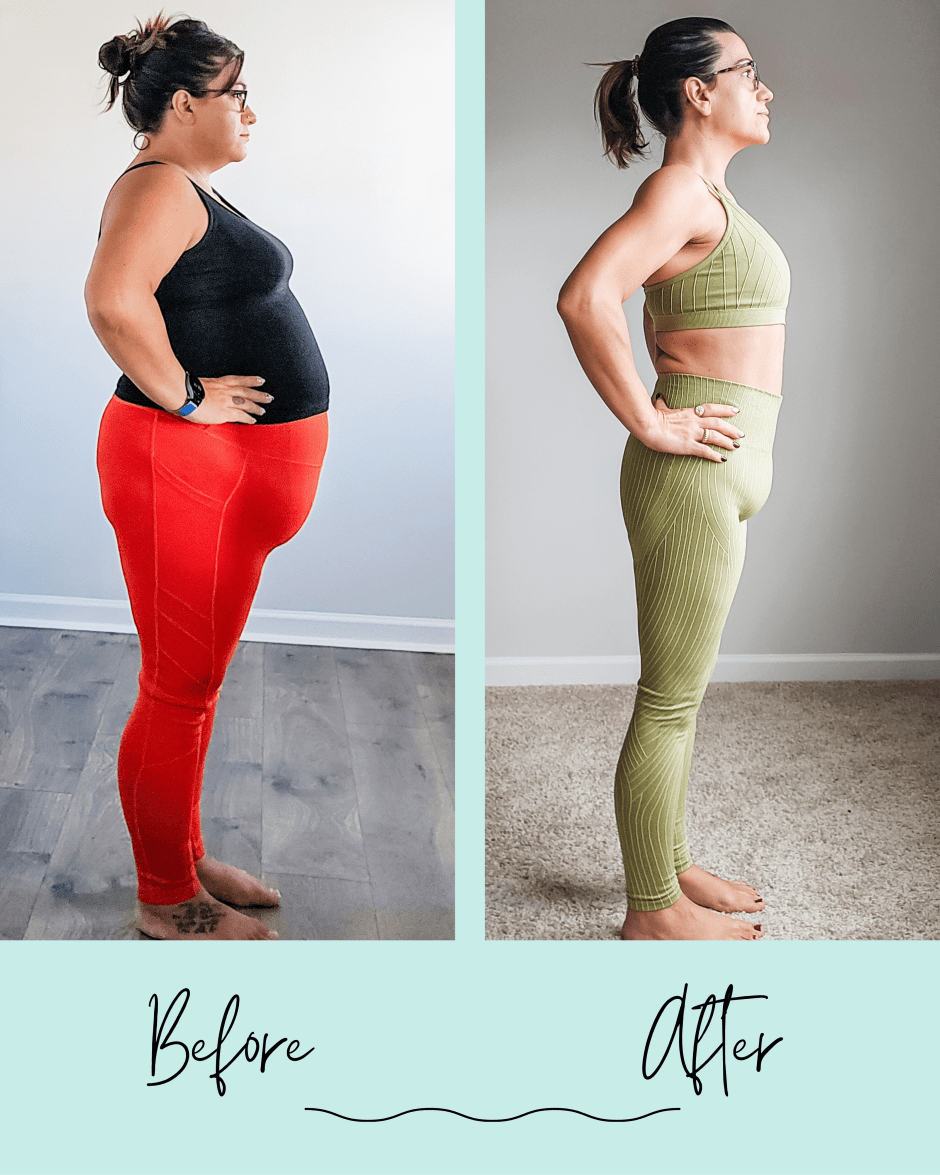
This is the first time in my life that I have been at a healthy weight and actually done it the healthy way. Reaching a normal BMI and pushing past that 135 lb hurdle with EllieMD wasn’t just a weight loss win. It was a metabolic breakthrough. For the first time since I was a teenager, my hormones aren’t running the show in a negative way. I finally have the medical support to keep my PCOS in check and the tools to maintain this 94 lb loss for the long haul.
The Results: 94 Pounds Down
Here I am today, 94 pounds lighter, rocking a normal BMI for the first time since I was 19 years old.
What has changed since reaching 115 lbs?
Sleep Apnea: Completely gone.
Blood Pressure: Controlled and healthy.
Cholesterol: Finally playing nice.
Confidence: Through the roof!
From 192 lbs to 115 lbs. This is what happens when you stop guessing and start a real wellness plan with EllieMD.
But let me be real for a second. This journey has not been all rainbows and glitter. 🌈✨ There were tough days, tears, and moments when I questioned if I could actually do it. There were times when progress felt slow, and I had to remind myself that every small victory added up to something bigger. This transformation didn’t happen overnight, and it certainly didn’t happen without effort. But oh, was it worth it.
Living my life again at 115 lbs! I finally have the energy and confidence to show up for every moment.
Learning to Live Again
I’ve learned so much over these three years. I’ve learned to celebrate the little wins, like fitting into a smaller size and having more energy to play with my bulldog Rossi. She was very happy about this, by the way 🐶. And oh yeah… I ran a freakin 5K!
Most importantly, I’ve learned that taking care of myself isn’t selfish. It is necessary. This journey wasn’t just about weight loss results. It was about saving my life. It was about proving to myself that I am resilient and worth the effort.
Let me tell you, you are worth it!
Ready to Start Your Own Journey with EllieMD?
If you’re sitting there feeling stuck, overwhelmed, or like it’s just too hard, I want you to know something. You can do this. One step, one choice, and one day at a time. It’s not about perfection, it’s about progress.
Medical Provider Consults: You’ll work with a telehealth team that actually listens to your history, including things like PCOS or perimenopause struggles.
GLP-1 Medication Support: Access to the tools that helped me break through my 135 lb plateau and reach a normal BMI.
Monthly Wellness Plans: No more guessing games. You get a clear roadmap for your nutrition and health goals.
Ongoing Lab Monitoring: We keep it safe and clinical by keeping a close eye on your bloodwork and progress.
✨ THE BESTIE BONUS ✨
Exclusive Nurse Coaching with me
When you join through my link, you aren’t just getting a website. You are getting me in your corner! As a Registered Nurse with over a decade of healthcare experience (and 94 lbs lost myself), I’m here to help you navigate the real-life side of this journey.
Whether you are a night shift worker trying to figure out your injection schedule or you just need a hype-girl who understands the struggle, I’ve got you. No gatekeeping, just real support from someone who has been exactly where you are!
Maintenance is a beast of its own, and of course, I am sharing that whole process with y’all too. Whether you are a fellow nurse working the night shift or someone just looking to feel like themselves again, you are worth it! I am so grateful for the team at Ellie MD for helping me get my life back.
Professional Disclosure: I provide BS-free metabolic education as a registered nurse and health coach for women navigating PCOS, perimenopause, and stubborn weight loss. While I share evidence-based research and nurse-informed support, please remember that I am not your nurse. The content shared here is for educational purposes only. It does not constitute medical advice, diagnosis, or treatment, and it does not establish a provider-patient relationship. Nothing on this site is a substitute for care from a licensed provider who knows your full health history. All opinions and content shared on this platform are my own and do not reflect the views or endorsements of my employer or the hospital where I am employed.
Scope of Practice and FDA: Per professional coaching guidelines, I may recommend over the counter (OTC) medications or supplements to support your wellness goals. However, I do not prescribe or recommend specific prescription medications. For prescription options, including GLP-1 tools, my role is to help you understand the available science so you can have an informed discussion with your licensed healthcare provider. These statements have not been evaluated by the Food and Drug Administration. Products discussed are not intended to diagnose, treat, cure, or prevent any disease, and medical treatments require professional oversight.
Trust and Transparency: I only recommend products I trust. Most are items I use personally, while others are shared based on my professional trust in the clinical standards of partners like Ellie MD. Some links are affiliate links or part of brand partnerships, which means I may earn a commission at no extra cost to you. As an Amazon Associate I earn from qualifying purchases.
If you’re like me and find yourself stuck in the house for a few days, you might be feeling a little extra snacky! I know I definitely do. That is totally my M.O. though. I always snack way more when I am chillin at home than when I’m at work on a busy shift in the NICU or out running errands.
Healthy Snacks for Your GLP-1 Weight Loss Journey
The biggest difference for me now, especially after losing 94 pounds, is that I don’t eat the massive quantities I used to. I also typically reach for healthier options. My go-to snacks include That’s It fruit bars, protein bars that actually taste like candy, protein chips, and granola bars.
This Key Lime Pie protein bar by Barebells actually tastes like dessert. It is one of my favorite go to snacks when I am stuck at home and feeling snacky.
Do I still cave and have a fun-size Snickers?
You bet I do!
But I don’t eat the whole bag. And I absolutely do not feel guilty over wanting and having a Snickers once in a blue moon now. That is exactly what happens when you use these medications as a tool and not just a quick fix.
Navigating GLP-1 Maintenance: How to Taper Off GLP-1 Medication
This is also a huge part of where I am on my own wellness journey right now. I am well into maintenance, but I’m also slowly decreasing my dosing to allow for a slightly higher food intake than when I was actively losing weight. Finding yourself stuck at home for a few days can really test that balance! I’m in that tricky spot between increasing my intake & decreasing my dose, making sure not to do either one too quickly or too slowly.
I don’t want to lose any more weight, but I also don’t want to gain more than a few pounds in the process, so I can maintain my other health goals, like my lower blood pressure.
It’s completely normal to worry about the weight coming right back the second you stop your medication. This is a super common question!
If you start or continue your GLP-1 journey with me, I will be your ultimate nurse hype girl. I will help you learn how to make better choices that keep you full longer so you can continue these healthy habits when you are ready to come off the meds.
It’s totally okay to do a slow taper off if that makes you feel more comfortable. You can ease into doing it all on your own by planning your taper doses directly with your doctor. If you notice the scale creeping up during your taper, that’s when we will plan the right diet and activity adjustments to help you maintain your current weight. Then, if the weight starts creeping back up after you are completely off the medications, you can talk to your provider about how a short-term microdose might be beneficial.
Depending on your personal health history, like mine with PCOS, it’s also completely fine if you need to be on these medications long term. It is totally up to you and your doctor to decide if that is the right choice for your body.
Professional Disclosure: I provide BS-free metabolic education as a registered nurse and health coach for women navigating PCOS, perimenopause, and stubborn weight loss. While I share evidence-based research and nurse-informed support, please remember that I am not your nurse. The content shared here is for educational purposes only. It does not constitute medical advice, diagnosis, or treatment, and it does not establish a provider-patient relationship. Nothing on this site is a substitute for care from a licensed provider who knows your full health history. All opinions and content shared on this platform are my own and do not reflect the views or endorsements of my employer or the hospital where I am employed.
Scope of Practice and FDA: Per professional coaching guidelines, I may recommend over the counter (OTC) medications or supplements to support your wellness goals. However, I do not prescribe or recommend specific prescription medications. For prescription options, including GLP-1 tools, my role is to help you understand the available science so you can have an informed discussion with your licensed healthcare provider. These statements have not been evaluated by the Food and Drug Administration. Products discussed are not intended to diagnose, treat, cure, or prevent any disease, and medical treatments require professional oversight.
Trust and Transparency: I only recommend products I trust. Most are items I use personally, while others are shared based on my professional trust in the clinical standards of partners like Ellie MD. Some links are affiliate links or part of brand partnerships, which means I may earn a commission at no extra cost to you. As an Amazon Associate I earn from qualifying purchases.
So you’ve been standing in your kitchen at 7am thinking, “I need protein… but I also need this to taste like something… and isn’t another protein shake.” 🌯🔥
Same.
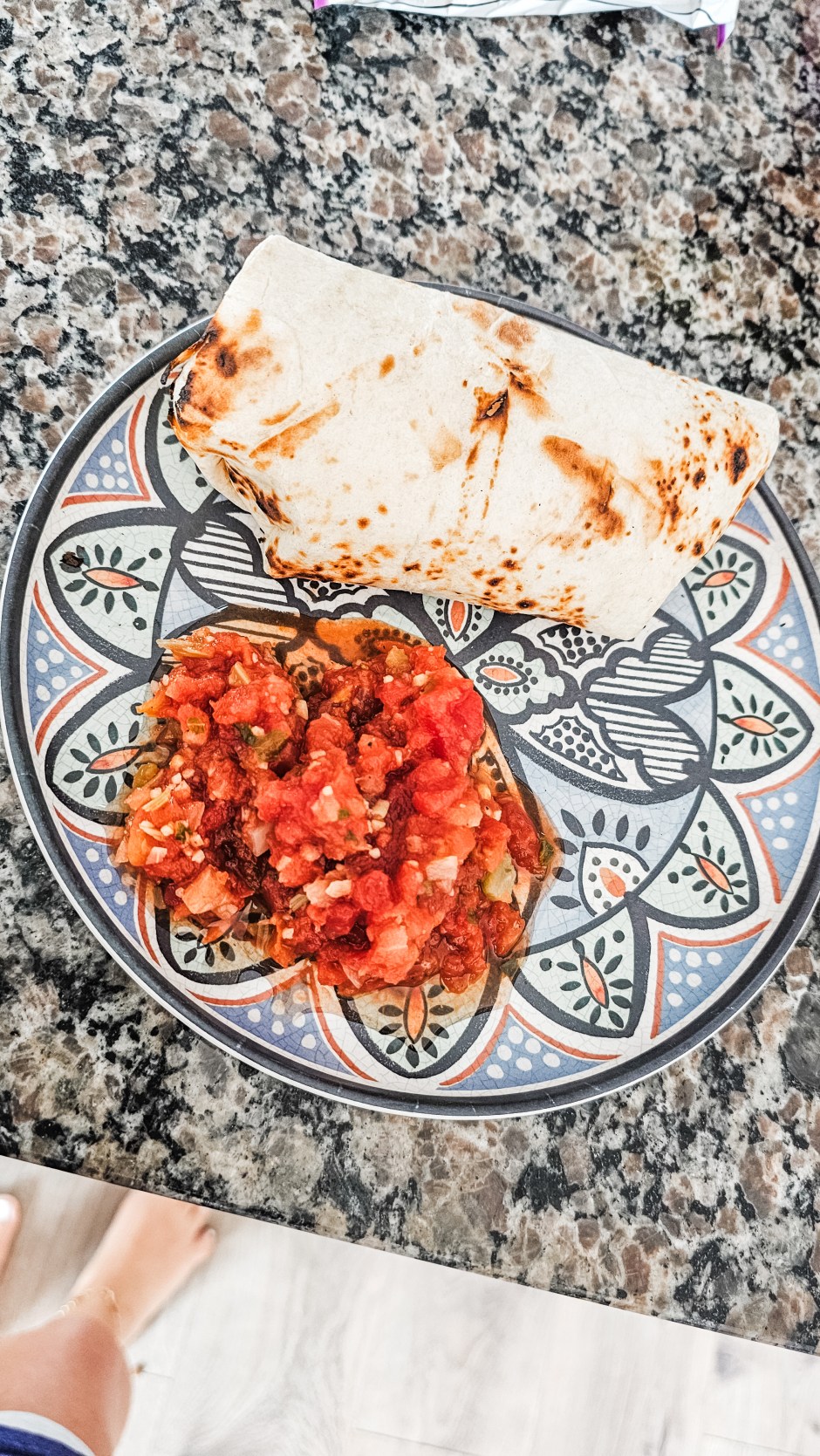
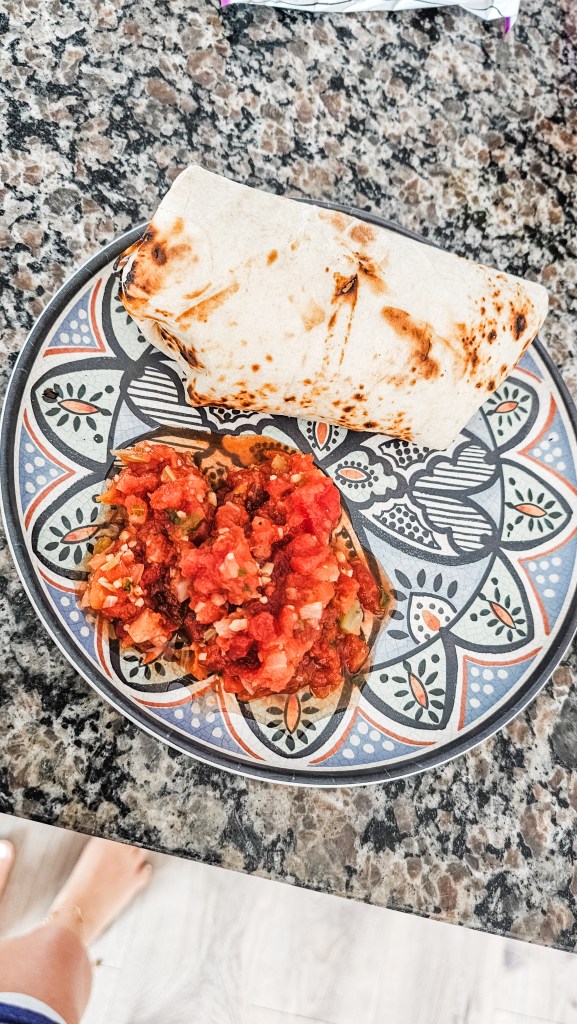
My go-to high protein breakfast burrito with sausage, fluffy eggs, cheddar, and salsa
Here’s the breakfast burrito that has been carrying me through NICU shifts, content batching days, and those mornings where my ADHD brain forgets I need to eat until I’m suddenly feral… and this becomes more brunch than breakfast. Honestly, I eat it more often than I like to admit thanks to my ADHD hyperfixation on them.
It’s simple. It’s high protein. It actually tastes good.
🌯 My Go-To High Protein Breakfast Burrito
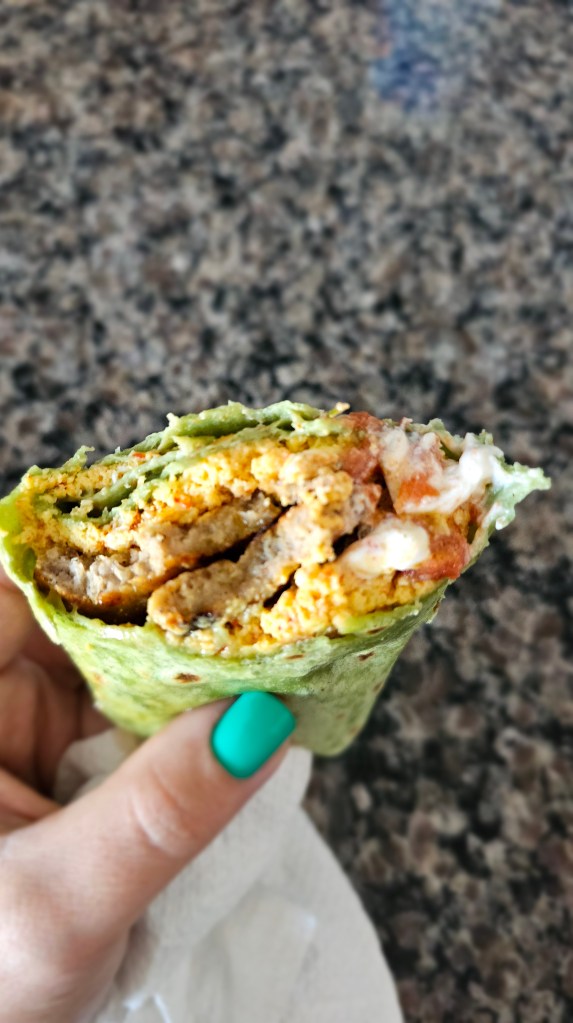
Fluffy eggs and sausage packed into this easy high protein breakfast burrito
Why I Love It
Balanced protein + fat = steady energy
No blood sugar crash an hour later
Takes like 10 minutes
Actually keeps me full
When I stopped obsessing over calories and started focusing on protein and fiber, breakfast was the first thing I fixed. This burrito makes that easy.
Spinach tortilla version of my high protein breakfast burrito
Frozen patty goes straight into the air fryer. Around 370–380°F for 8–10 minutes depending on thickness.
If I’m using bulk sausage, I brown it first in a skillet.
2️⃣ Fluffy, Cheesy Eggs
While the sausage cooks:
Whisk the egg + cottage cheese (or milk).
Add Tajín like you’re not afraid of flavor.
Scramble low and slow.
When they’re almost done, fold in a handful of shredded cheddar so it melts right into the eggs.
Soft. Creamy. Actually satisfying.
3️⃣ Warm the Tortilla
Quick warm so it doesn’t crack when you roll it.
4️⃣ Assemble
Eggs + sausage. Roll it up. Add a small dollop of light sour cream. Serve with salsa. Dip every bite like you mean it!
💪 Protein Breakdown (Approximate)
Egg: ~6g
Cottage cheese: ~2g
Cheddar: 5–7g depending on how generous you are
Sausage: 8–10g
Tortilla: 5–8g
You’re easily in the 25–30g protein range.
🌯 Make-Ahead + Freezer Friendly
If you’ve got 30–40 minutes on a Sunday (or honestly any random afternoon you feel productive), you can batch these and coast all week.
🧊 Option 1: Fridge (Up to 4–5 Days)
Cook everything fully.
Let ingredients cool slightly before assembling. (Hot fillings = soggy tortilla. We are not doing that.)
Roll tightly.
Wrap individually in foil or parchment.
Store in an airtight container in the fridge.
To reheat: Microwave 60–90 seconds, flipping halfway. If you want the tortilla slightly crisp, toss it in a skillet for a minute after microwaving.
❄️ Option 2: Freezer (Up to 2–3 Months)
These freeze beautifully.
Assemble burritos without the salsa.
I recommend adding the sour cream fresh after reheating, but you can freeze it inside if you’re not picky.
Wrap tightly in foil or plastic wrap.
Place in a freezer-safe bag.
To reheat from frozen:
Microwave 2–3 minutes, flipping halfway.
Or thaw overnight in the fridge and heat like normal.
If you want that slightly crisp exterior, unwrap and toss in a pan or air fryer for a couple minutes after heating.
💪 Why This Works
Protein in the morning = ✔ steadier energy ✔ less snack spiraling ✔ fewer “why am I starving already?” moments
For something that tastes like actual breakfast and not punishment? That’s a win.
High protein. Balanced. Flavorful. Air fryer doing half the work. It supports your goals without making you miserable.
Breakfast doesn’t need to be complicated. It just needs to carry you through the morning without you spiraling toward the snack drawer at 9:47am.
And this one works. 🌯✨
High protein breakfast is amazing.
High protein breakfast that’s already made when you’re tired, overstimulated, late, or just not in the mood to function?
That’s the real win.
This keeps you from:
Skipping breakfast
Grabbing random snacks
Living off caffeine until noon
And if you’re working early shifts, juggling kids, navigating hormones, or just trying to eat like a grown adult… having these ready is elite behavior.
Make 6–8 at once and thank yourself later. Future You deserves burritos too. 🌯✨
After losing 94 pounds, I’ve learned a few things about protein.
Some protein is actually good. Some is… questionable. And some makes you pause mid-sip and think, wait. Was that even protein???
For a long time, I thought protein was mostly for gym bros trying to bulk up & flex in the mirror. You know the vibe. Giant tubs. Aggressive labels. Shakers that smell suspicious even after washing.
Turns out, protein is way more important than I ever realized, especially during weight loss.
Why protein matters way more than you think
Protein isn’t about getting huge. It’s about protecting what you already have.
When you’re losing weight, especially if you’re in a calorie deficit, your body doesn’t just burn fat. It also breaks down muscle if it doesn’t have enough protein to work with. And muscle matters more than people realize.
Muscle helps keep your metabolism humming. Less muscle can mean a slower metabolism, lower energy, and weight loss that feels harder and harder to maintain.
Protein helps prevent that. It gives your body the building blocks it needs to repair and rebuild instead of breaking things down.
It also keeps you full longer. Not “I just ate and I’m still thinking about snacks” full. Actual, satisfied, walk-away-from-the-pantry full.
And yes, it supports your metabolism even when you’re doing very important activities like sitting on the couch scrolling TikTok.
The nerdy nurse explanation you didn’t get in health class.
When calories drop, your body looks for fuel. Fat is one source. Muscle is another. If protein intake is too low, muscle loss happens faster. That muscle loss can slow your metabolism, which makes continued weight loss and maintenance harder over time.
Protein helps signal to your body, hey, we need this muscle. Please don’t toss it.
This is especially important if you’re losing weight with medication, lifestyle changes, or a combination of both. The goal isn’t just a smaller number on the scale. It’s feeling strong, energized, and able to keep the results long-term.
Not all protein is created equal
Just because something says “high protein” on the label does not mean it’s doing anything helpful for your body. Some options are high quality and easy to absorb. Others are basically flavored air with a side of digestive regret.
Over the past couple years, I’ve tried a lot. Powders. Ready-to-drink shakes. Bars. And a few things that can only be described as science experiments that should’ve stayed on the shelf.
Some tasted fine but didn’t keep me full. Some had great macros but wrecked my stomach. Some were so chalky they made me question my life choices.
Through trial, error, and a whole lot of label reading, I’ve figured out which ones are actually worth your time. Not perfect. Not magic. Just solid options that taste decent, digest well, and actually support a weight loss journey.
So what should you look for?
You don’t need perfection. You need consistency.
A protein source that:
Keeps you full longer
Doesn’t upset your stomach
Fits into your real life, not an influencer meal plan
Helps you hit your daily protein without feeling like a chore
Protein should make your life easier, not more complicated.
Professional Disclosure: I provide BS-free metabolic education as a registered nurse and health coach for women navigating PCOS, perimenopause, and stubborn weight loss. While I share evidence-based research and nurse-informed support, please remember that I am not your nurse. The content shared here is for educational purposes only. It does not constitute medical advice, diagnosis, or treatment, and it does not establish a provider-patient relationship. Nothing on this site is a substitute for care from a licensed provider who knows your full health history. All opinions and content shared on this platform are my own and do not reflect the views or endorsements of my employer or the hospital where I am employed.
Scope of Practice and FDA: Per professional coaching guidelines, I may recommend over the counter (OTC) medications or supplements to support your wellness goals. However, I do not prescribe or recommend specific prescription medications. For prescription options, including GLP-1 tools, my role is to help you understand the available science so you can have an informed discussion with your licensed healthcare provider. These statements have not been evaluated by the Food and Drug Administration. Products discussed are not intended to diagnose, treat, cure, or prevent any disease, and medical treatments require professional oversight.
Trust and Transparency: I only recommend products I trust. Most are items I use personally, while others are shared based on my professional trust in the clinical standards of partners like Ellie MD. Some links are affiliate links or part of brand partnerships, which means I may earn a commission at no extra cost to you. As an Amazon Associate I earn from qualifying purchases.



















 nicoleinscrubs.com