Not sure where to start? Take my free quiz and I’ll send you a custom plan.
WHAT’S RIGHT FOR MY BODY?
P.S. Missed the previous editions of The Nurse’s RX? ↓ Catch up here ↓
READ PAST EDITIONS
↓ LET’S CONNECT ↓

Let’s be clear about who I am (and who I’m not)
I’m a registered nurse and health coach who shares real, BS-free information about metabolic health, PCOS, perimenopause, and weight loss, because y’all deserve better than vague wellness fluff. But here’s what I need you to know: I am not YOUR nurse. Everything I share here is for educational purposes only. It is not medical advice, it’s not a diagnosis, and it doesn’t create a provider-patient relationship between us. Nothing here replaces the care of a licensed provider who actually knows your full health history. The opinions and content here are my own and do not reflect the views of my employer or the hospital where I work.
Scope of practice
As a nurse health coach, I can recommend over-the-counter products and supplements that may support your wellness goals. I don’t prescribe specific prescription medications. When it comes to GLP-1s and peptides, what I can do is talk about the science, what’s available, and what may be beneficial, so you can have an informed conversation with your licensed medical provider. The decision about what’s right for your body always belongs to you and your provider. Always consult your licensed provider before starting any prescription treatment. These statements have not been evaluated by the FDA. Products discussed are not intended to diagnose, treat, cure, or prevent any disease.
Transparency
I only recommend things I actually trust. Most are products I personally use, some are from partners whose clinical standards I believe in. I will always let you know when it’s something I haven’t tried personally. Some links in this email are affiliate links or part of brand partnerships, which means I may earn a commission at no extra cost to you. As an Amazon Associate, I earn from qualifying purchases.
Results + Testimonials
Any testimonials or results shared here reflect individual experiences only. Results are not guaranteed and will vary based on individual circumstances.
Before we even talk about glycine, we need to talk about amino acids.
Amino acids are your body’s basic building blocks. Think of them like individual beads on a necklace. One bead by itself does not look like much. But string enough of them together in the right order, and suddenly you have a necklace that actually does something.
That is how proteins work in your body. Proteins are long chains made from amino acids, and proteins are responsible for almost everything happening behind the scenes.
Hormones. Muscle repair. Healing. Immune support. Neurotransmitters that decide whether you feel calm or wired. Skin. Joints. Metabolism. All of it starts with these tiny building blocks.
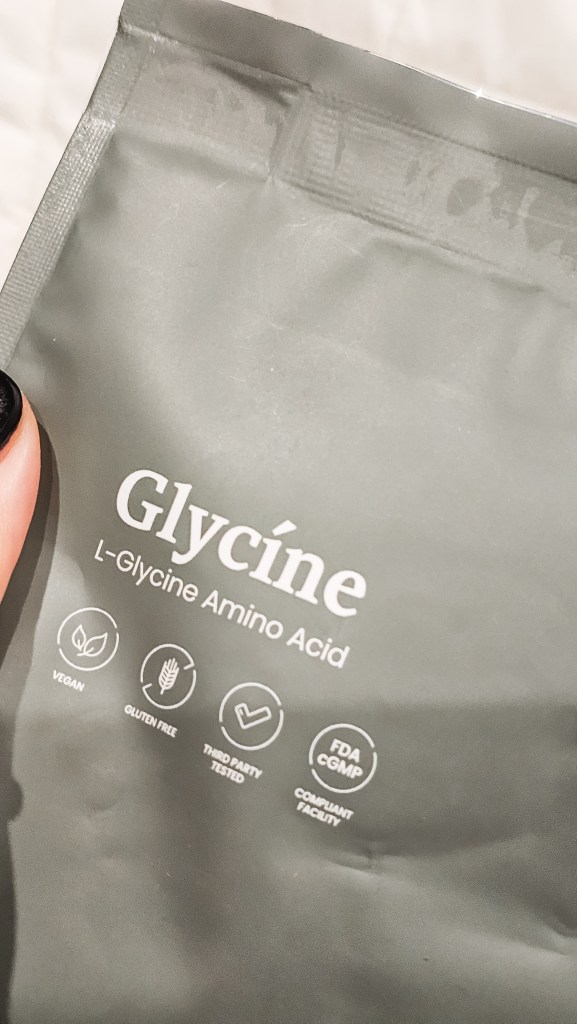
Glycine as an oral amino acid supplement, often used for sleep and recovery support.
Glycine is one of those amino acids. It is small, simple in structure, and often underestimated, but it plays an important role in several systems that matter during weight loss, maintenance, and overall metabolic health.
Glycine is often used as part of GLP-1 treatment plans to support sleep, recovery, and overall metabolic health during weight loss and maintenance.
What Glycine Does in the Body (Sleep, Recovery, and Nervous System Support)
Glycine is classified as a non-essential amino acid, which means the body can produce it on its own. That does not mean the body always produces enough to meet demand, especially during periods of stress, calorie restriction, poor sleep, illness, or increased physical demands.
It plays a role in calming the nervous system. Glycine acts as an inhibitory neurotransmitter in the brain, which means it helps quiet things down rather than rev them up. That is one reason it is commonly associated with deeper, more restorative sleep.
It supports collagen production. Collagen is a major structural protein in skin, joints, connective tissue, and the gut lining. Glycine makes up a large portion of collagen’s amino acid structure, so having adequate levels matters for recovery and tissue health.
It contributes to recovery and repair. Glycine is involved in protein synthesis and cellular repair processes. These processes are especially important during weight loss, when the body is adapting to metabolic changes and repairing tissue while using stored energy.
It supports metabolic and inflammatory balance. Glycine has been studied for its role in supporting insulin sensitivity and reducing oxidative stress. These effects are supportive in nature and vary between individuals.
This is why glycine tends to feel subtle. You do not take it and feel a dramatic jolt of energy. Instead, people often notice better sleep quality, smoother recovery, and a calmer, more regulated nervous system over time.
Glycine as a Standalone Supplement
L-glycine supplement used as needed for sleep, stress, or recovery support.
The key thing to understand here is flexibility. Oral glycine is something you can adjust based on how you feel. You can take it occasionally or more consistently, depending on your needs and your provider’s guidance.
It is supportive, not forceful. It works with your system rather than pushing it.
Glycine Added to a GLP-1 or GLP-1/GIP Injection
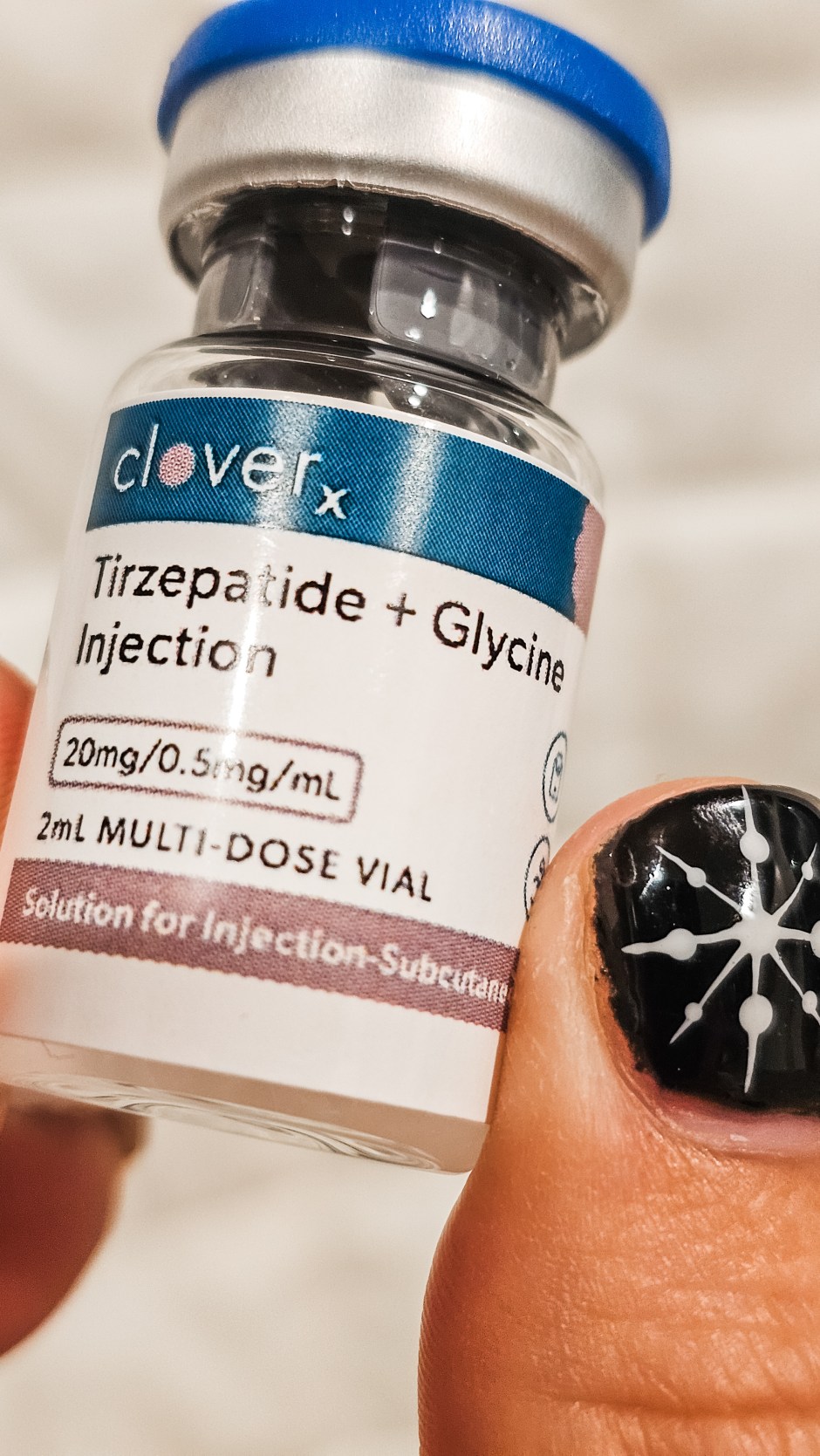
When glycine is compounded into a GLP-1 or GLP-1/GIP injection, it is not something you take “as needed.” It becomes part of a once-weekly dosing routine, providing consistent exposure over time rather than symptom-based use.
Compounded GLP-1/GIP medication with glycine added for supportive benefits.
Instead of responding to symptoms in the moment, this approach provides your body with a steady, predictable level of glycine week after week. That consistency allows your system to use it as background support rather than a quick fix.
During active weight loss, the body is under increased physiological demand. Hormones are shifting. Metabolism is adapting. Tissues are repairing. Muscle needs support. Sleep quality often takes a hit. The nervous system can feel stressed even when weight loss is going well.
This is where glycine quietly earns its keep.
By supporting sleep quality and recovery, glycine helps your body handle the demands of weight loss more smoothly. Better sleep supports appetite regulation, stress hormones, and overall metabolic health. Recovery support matters when your body is pulling from stored energy and adapting to change.
Glycine does not directly cause weight loss. Instead, it supports the systems that help the body tolerate and sustain the process more effectively.
Glycine in Maintenance and Long-Term Regulation
Maintenance is where glycine often shines the most.
Glycine supports these goals by promoting calmer nervous system activity, supporting recovery, and contributing to overall regulation rather than stimulation.
People in maintenance often care less about pushing and more about feeling regulated. Sleeping better. Recovering more easily. Feeling calmer in their body. Glycine supports those systems without adding stimulation or stress.
For many people, maintenance is where glycine’s steady, non-disruptive support becomes most noticeable.
Weekly Glycine vs As-Needed Glycine
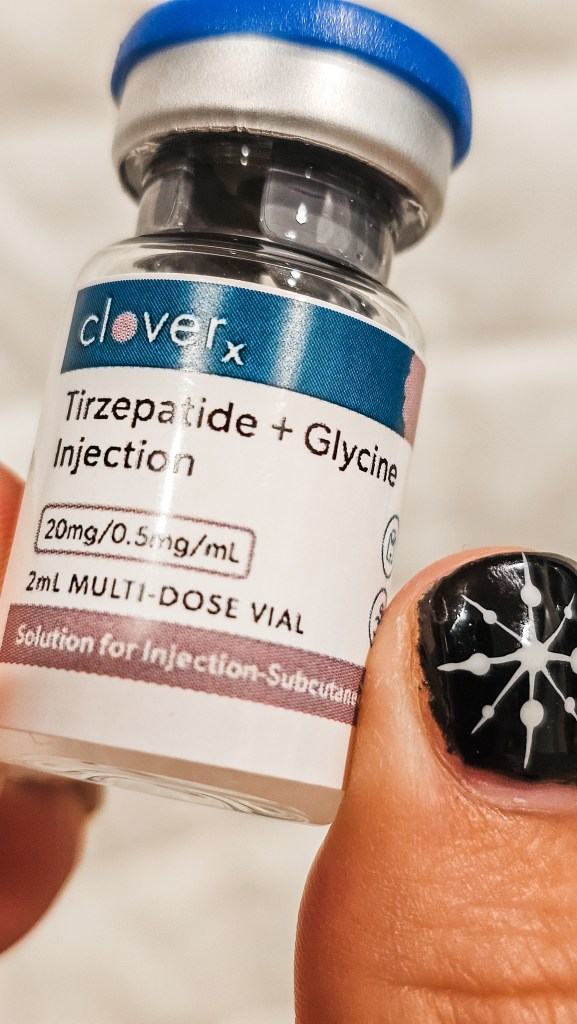
Weekly GLP-1 injection with glycine included for consistent background support.
This is where the two approaches can work together rather than compete.
The glycine in a weekly injection provides consistent baseline support. It is always there, quietly doing its job.
Oral glycine can be layered in as needed. Think of it as situational support for sleep disruptions, stressful weeks, or extra recovery needs.
One approach is structured and routine. The other is flexible and responsive. Together, they can support different needs at different times.
Both serve a purpose, depending on where you are in your journey and what your body is asking for.
The Takeaway
Glycine is not flashy. It does not promise overnight transformations. It does not come with dramatic sensations or instant feedback.
What it offers instead is steadiness.
Better sleep quality. Smoother recovery. Nervous system support. Structural support through collagen. Quiet metabolic assistance while your body does the heavy lifting.
Whether it is built into a weekly GLP-1 or GLP-1/GIP injection or used as an oral supplement when needed, glycine works best when you let it be what it is.
Consistent. Supportive. Calm.
Professional Disclosure: I provide BS-free metabolic education as a registered nurse and health coach for women navigating PCOS, perimenopause, and stubborn weight loss. While I share evidence-based research and nurse-informed support, please remember that I am not your nurse. The content shared here is for educational purposes only. It does not constitute medical advice, diagnosis, or treatment, and it does not establish a provider-patient relationship. Nothing on this site is a substitute for care from a licensed provider who knows your full health history. All opinions and content shared on this platform are my own and do not reflect the views or endorsements of my employer or the hospital where I am employed.
Scope of Practice and FDA: Per professional coaching guidelines, I may recommend over the counter (OTC) medications or supplements to support your wellness goals. However, I do not prescribe or recommend specific prescription medications. For prescription options, including GLP-1 tools, my role is to help you understand the available science so you can have an informed discussion with your licensed healthcare provider. These statements have not been evaluated by the Food and Drug Administration. Products discussed are not intended to diagnose, treat, cure, or prevent any disease, and medical treatments require professional oversight.
Trust and Transparency: I only recommend products I trust. Most are items I use personally, while others are shared based on my professional trust in the clinical standards of partners like Ellie MD. Some links are affiliate links or part of brand partnerships, which means I may earn a commission at no extra cost to you. As an Amazon Associate I earn from qualifying purchases.
After losing 94 pounds, I’ve learned a few things about protein.
Some protein is actually good. Some is… questionable. And some makes you pause mid-sip and think, wait. Was that even protein???
For a long time, I thought protein was mostly for gym bros trying to bulk up & flex in the mirror. You know the vibe. Giant tubs. Aggressive labels. Shakers that smell suspicious even after washing.
Turns out, protein is way more important than I ever realized, especially during weight loss.
Why protein matters way more than you think
Protein isn’t about getting huge. It’s about protecting what you already have.
When you’re losing weight, especially if you’re in a calorie deficit, your body doesn’t just burn fat. It also breaks down muscle if it doesn’t have enough protein to work with. And muscle matters more than people realize.
Muscle helps keep your metabolism humming. Less muscle can mean a slower metabolism, lower energy, and weight loss that feels harder and harder to maintain.
Protein helps prevent that. It gives your body the building blocks it needs to repair and rebuild instead of breaking things down.
It also keeps you full longer. Not “I just ate and I’m still thinking about snacks” full. Actual, satisfied, walk-away-from-the-pantry full.
And yes, it supports your metabolism even when you’re doing very important activities like sitting on the couch scrolling TikTok.
The nerdy nurse explanation you didn’t get in health class.
When calories drop, your body looks for fuel. Fat is one source. Muscle is another. If protein intake is too low, muscle loss happens faster. That muscle loss can slow your metabolism, which makes continued weight loss and maintenance harder over time.
Protein helps signal to your body, hey, we need this muscle. Please don’t toss it.
This is especially important if you’re losing weight with medication, lifestyle changes, or a combination of both. The goal isn’t just a smaller number on the scale. It’s feeling strong, energized, and able to keep the results long-term.
Not all protein is created equal
Just because something says “high protein” on the label does not mean it’s doing anything helpful for your body. Some options are high quality and easy to absorb. Others are basically flavored air with a side of digestive regret.
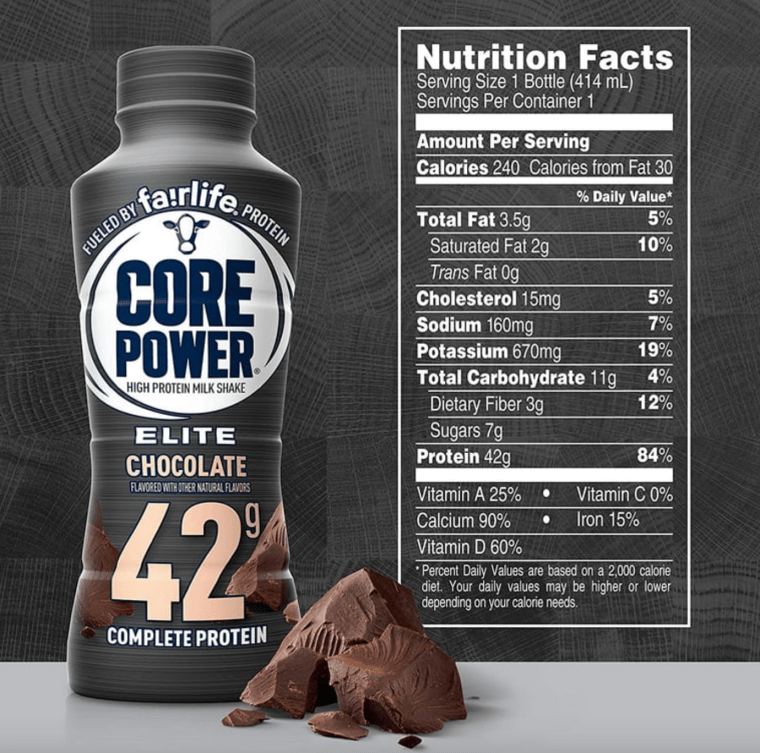
Over the past couple years, I’ve tried a lot. Powders. Ready-to-drink shakes. Bars. And a few things that can only be described as science experiments that should’ve stayed on the shelf.
Some tasted fine but didn’t keep me full. Some had great macros but wrecked my stomach. Some were so chalky they made me question my life choices.
Through trial, error, and a whole lot of label reading, I’ve figured out which ones are actually worth your time. Not perfect. Not magic. Just solid options that taste decent, digest well, and actually support a weight loss journey.
So what should you look for?
You don’t need perfection. You need consistency.
A protein source that:
Keeps you full longer
Doesn’t upset your stomach
Fits into your real life, not an influencer meal plan
Helps you hit your daily protein without feeling like a chore
Protein should make your life easier, not more complicated.
Professional Disclosure: I provide BS-free metabolic education as a registered nurse and health coach for women navigating PCOS, perimenopause, and stubborn weight loss. While I share evidence-based research and nurse-informed support, please remember that I am not your nurse. The content shared here is for educational purposes only. It does not constitute medical advice, diagnosis, or treatment, and it does not establish a provider-patient relationship. Nothing on this site is a substitute for care from a licensed provider who knows your full health history. All opinions and content shared on this platform are my own and do not reflect the views or endorsements of my employer or the hospital where I am employed.
Scope of Practice and FDA: Per professional coaching guidelines, I may recommend over the counter (OTC) medications or supplements to support your wellness goals. However, I do not prescribe or recommend specific prescription medications. For prescription options, including GLP-1 tools, my role is to help you understand the available science so you can have an informed discussion with your licensed healthcare provider. These statements have not been evaluated by the Food and Drug Administration. Products discussed are not intended to diagnose, treat, cure, or prevent any disease, and medical treatments require professional oversight.
Trust and Transparency: I only recommend products I trust. Most are items I use personally, while others are shared based on my professional trust in the clinical standards of partners like Ellie MD. Some links are affiliate links or part of brand partnerships, which means I may earn a commission at no extra cost to you. As an Amazon Associate I earn from qualifying purchases.
Let me take you back to 2001. I was 18 years old, navigating life as best I could, and decided to switch to the Depo-Provera shot. At the time, I was at my smallest size ever—a size 0. Don’t get too impressed, though. It wasn’t healthy, and even then, I was at the upper limits of a “normal BMI.” That’s when I realized BMI is absolute nonsense. (Seriously, who came up with that?!)
What I didn’t know then was that I had undiagnosed PCOS—a condition that really doesn’t get along with Depo-Provera. Within 72 hours of my first shot, I gained 15 pounds. Not kidding. I woke up, and the shorts I had just bought two weeks earlier didn’t fit. Over the next three months, while that shot coursed through my system, I packed on another 15-20 pounds. My doctor reassured me, saying the weight would “come right off” after a few months. Spoiler alert: It didn’t.
By nine months in, I’d gained over 30 pounds and was an emotional wreck. My cycle—already chaotic—was worse than ever. So, we ditched Depo-Provera and went back to traditional birth control. The weight stayed put, and I started experiencing other symptoms of PCOS, though I wouldn’t get an official diagnosis until 2006.
The Diagnosis That Changed Everything
Fast forward to 2006. I was 22 years old, newly diagnosed with PCOS and pre-diabetes. My husband and I decided to start trying for a baby earlier than planned, knowing infertility might be an uphill battle. What we didn’t expect was my atypical version of PCOS. Instead of struggling with infertility, I had hyperfertility. It really does only take one time, folks, and birth control is not foolproof.
But PCOS wasn’t the only challenge we faced. That same year, after three heartbreaking miscarriages, we discovered a genetic condition—one that gave our babies a 50/50 chance of inheriting not one but two rare syndromes. This discovery would shape our future in ways we couldn’t have imagined.
The Losses That Shaped Me
In 2009, after a whirlwind of deployments, cross-country moves, and life transitions, we welcomed our son, Anthony Maddox, on January 4, 2010. Born at 35 weeks, he carried the weight of those two syndromes and left us too soon, soaring to heaven the same day. I turned to old, unhealthy habits to cope, dropping from 155 to 135 pounds in a haze of grief.
Over the next few years, we endured more losses, including our daughter Avery Shea, who blessed us with 12 beautiful days in 2012, and our youngest son, Richard Franklin, who fought valiantly but passed on February 18, 2016. Each loss came with its own struggles, including weight fluctuations, emotional eating, and the added challenges of gestational hypertension.
Finding My Way Back to Health
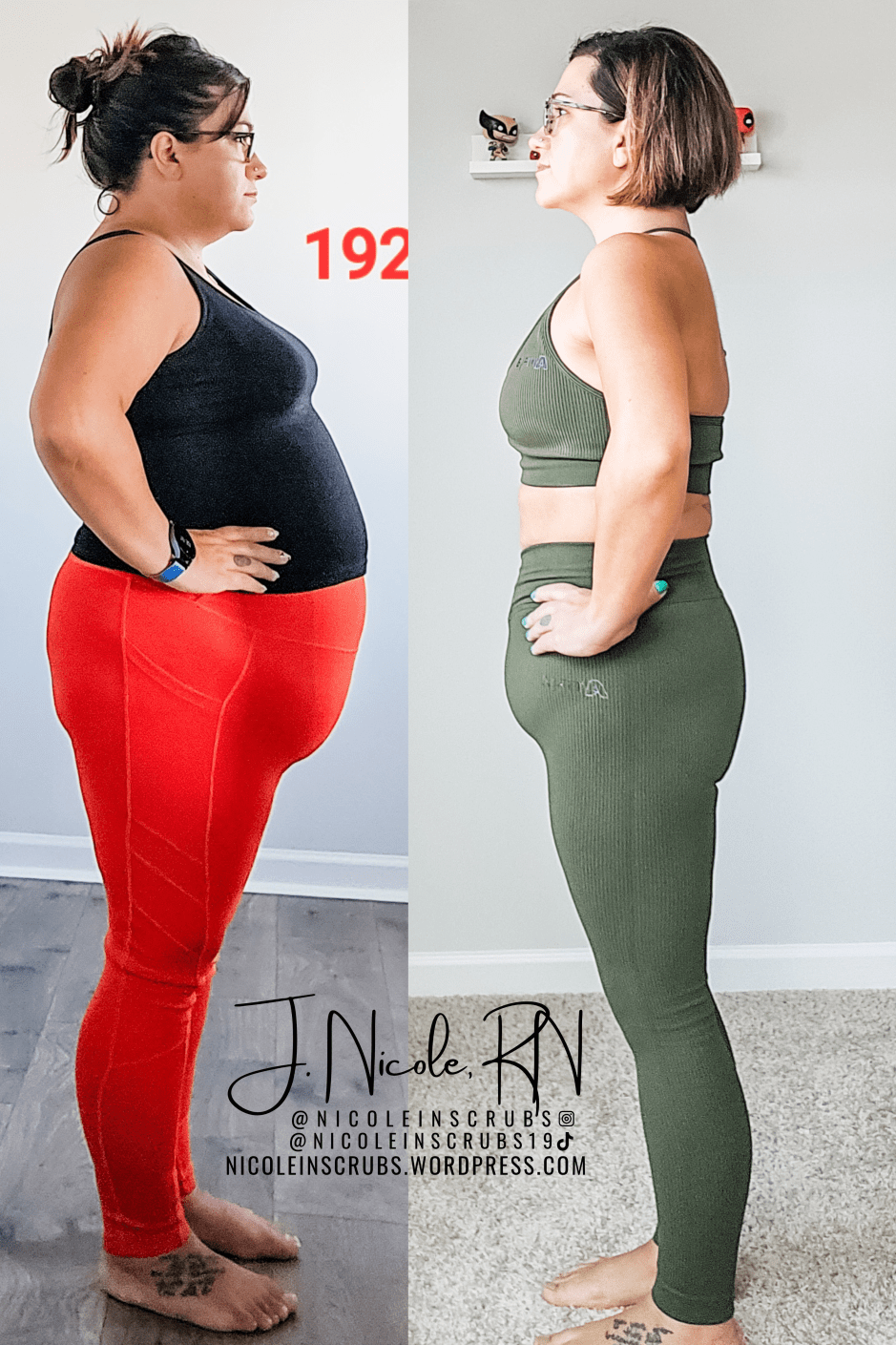
By 2022, my health had hit rock bottom. My weight peaked at 209 pounds, and my hypertension was out of control. Every attempt to lose weight was met with failure—five pounds off, ten pounds back on. Keto? Tried it. Lost 25 pounds, gained it all back. COVID and DoorDash? Yeah, they didn’t help either.
Then, in October 2023, everything changed. I started my GLP-1 journey at 192.6 pounds. For the first time in years, I felt like I had a real fighting chance. These medications, combined with lipotropic + B12 injections, Sermorelin, and a lot of determination, helped me break through the barriers PCOS had thrown my way.
Where I Am Today
Thirteen and a half months later, I’m at my lowest weight since starting the Depo-Provera shot—129.4 pounds. I’ve lost over 63 pounds, conquered my insulin resistance (bye-bye, pre-diabetes!), and finally feel like I’m in control of my health.
If you’re struggling, I want you to know you’re not alone. PCOS is a beast, but with the right tools and support, you can overcome it. If you’re curious about GLP-1 medications or need a cheerleader to help you along the way, let me know. I’m here for you!
Professional Disclosure: I provide BS-free metabolic education as a registered nurse and health coach for women navigating PCOS, perimenopause, and stubborn weight loss. While I share evidence-based research and nurse-informed support, please remember that I am not your nurse. The content shared here is for educational purposes only. It does not constitute medical advice, diagnosis, or treatment, and it does not establish a provider-patient relationship. Nothing on this site is a substitute for care from a licensed provider who knows your full health history. All opinions and content shared on this platform are my own and do not reflect the views or endorsements of my employer or the hospital where I am employed.
Scope of Practice and FDA: Per professional coaching guidelines, I may recommend over the counter (OTC) medications or supplements to support your wellness goals. However, I do not prescribe or recommend specific prescription medications. For prescription options, including GLP-1 tools, my role is to help you understand the available science so you can have an informed discussion with your licensed healthcare provider. These statements have not been evaluated by the Food and Drug Administration. Products discussed are not intended to diagnose, treat, cure, or prevent any disease, and medical treatments require professional oversight.
Trust and Transparency: I only recommend products I trust. Most are items I use personally, while others are shared based on my professional trust in the clinical standards of partners like Ellie MD. Some links are affiliate links or part of brand partnerships, which means I may earn a commission at no extra cost to you. As an Amazon Associate I earn from qualifying purchases.