Let me save you from doing the absolute most this week.
If you just started a GLP-1 and suddenly feel like you’re supposed to become a protein, water, fiber, meal prep, movement, perfect little wellness machine overnight… please take a breath. That is one of the fastest ways to make this feel overwhelming.
And I get why it happens. Starting a GLP-1 can feel like a fresh start, especially if you’ve spent years feeling like your body was not responding the way everyone said it should.
So your brain starts making a whole list. More protein. More water. More fiber. More steps. Better sleep. Better meals. Track everything. Fix everything. Become an entirely different human by next Tuesday.
Respectfully… that is a lot.
You do not need to become a brand-new person this week. You need one honest starting point.
Ask yourself where you’re weakest right now. Not where the internet told you to start. Not what worked for someone else. Not what sounds the most impressive. Where are you honestly struggling the most?
If you’re getting decent protein but barely drinking water, start with hydration. If you’re drinking water but constipation has entered the chat against everyone’s wishes, fiber and fluids may need more attention. If your food is pretty solid but movement has been nonexistent, start with something small enough that you’ll actually do it. If protein is the thing you keep missing, start there.
The other areas are not unimportant. They may just be good enough for now while you focus on the area that needs the most support first.
That’s the part I wish more people understood about starting these meds. Progress over perfection sounds cute on Instagram, but with GLP-1s, it’s actually practical.
When you change everything at once, it gets harder to tell what is helping and what is making you feel worse. When you work on one thing at a time, you can actually pay attention to your body.
And that matters, especially if you’re already wondering whether your dose is working, whether you need an increase, or whether you’re doing something wrong.
Sometimes a dose conversation with your provider is absolutely appropriate. But sometimes the missing piece is much less dramatic than that. Maybe you’re not getting enough protein. Maybe your hydration is basically iced coffee and hope. Maybe constipation is making everything feel worse. Maybe your body needs more support before you decide the medication itself is the problem.
That is not about blaming yourself. It’s about walking into your next provider conversation with better information.
One habit at a time. One area of improvement at a time. One realistic change you can actually keep doing.
That is how this becomes sustainable.
Not perfect. Sustainable.
And honestly, that’s the goal.
I also made a short video version of this if you’d rather hear me talk through it instead of reading my full thoughts like we’re all pretending our attention spans are thriving.
And if you want the deeper explanation, I turned this into a full blog post too. I go into more detail about why trying to fix everything overnight can make starting a GLP-1 feel way more overwhelming than it needs to be.
If you’re already on a GLP-1 and wondering, “Is it me, or is it the med?” I made a free guide for exactly that. It walks you through the four questions I asked myself before every dose increase conversation so you can go into that appointment with more clarity and less spiraling.
XOXO, NIKI
PCOS. Perimenopause. Metabolic health. The real stuff. Not just “eat less, move more.”
I’m a registered nurse and health coach who shares real, BS-free information about metabolic health, PCOS, perimenopause, and weight loss, because y’all deserve better than vague wellness fluff. But here’s what I need you to know: I am not YOUR nurse. Everything I share here is for educational purposes only. It is not medical advice, it’s not a diagnosis, and it doesn’t create a provider-patient relationship between us. Nothing here replaces the care of a licensed provider who actually knows your full health history. The opinions and content here are my own and do not reflect the views of my employer or the hospital where I work.
Scope of practice
As a nurse health coach, I can recommend over-the-counter products and supplements that may support your wellness goals. I don’t prescribe specific prescription medications. When it comes to GLP-1s and peptides, what I can do is talk about the science, what’s available, and what may be beneficial, so you can have an informed conversation with your licensed medical provider. The decision about what’s right for your body always belongs to you and your provider. Always consult your licensed provider before starting any prescription treatment. These statements have not been evaluated by the FDA. Products discussed are not intended to diagnose, treat, cure, or prevent any disease.
Transparency
I only recommend things I actually trust. Most are products I personally use, some are from partners whose clinical standards I believe in. I will always let you know when it’s something I haven’t tried personally. Some links in this email are affiliate links or part of brand partnerships, which means I may earn a commission at no extra cost to you. As an Amazon Associate, I earn from qualifying purchases.
Results + Testimonials
Any testimonials or results shared here reflect individual experiences only. Results are not guaranteed and will vary based on individual circumstances.
You’ve just started a GLP-1, and now it feels like you have to get your protein, water, fiber, and movement perfect right away, or you’re not doing it correctly.
Trying to do everything at once is a quick way to feel overwhelmed.
I’m a nurse who’s been on these medications for over two years and lost 94 pounds. If you’re starting a GLP-1, my main advice is this: you don’t have to fix everything right away. Start by choosing one area to work on first.
Focus on one habit at a time. Pick one area to improve. Make one realistic change you know you can stick with.
Aiming for perfection often makes people feel like they’ve failed before they even get started.
And I get why this happens. Starting a GLP-1 can feel like a fresh start, especially if you’ve spent years feeling like your body wasn’t responding the way everyone said it should. Suddenly you’re trying to hit a protein goal, drink a gallon of water, eat more fiber, move every day, meal prep, sleep better, track everything, and somehow become a calm, organized person who remembers to thaw chicken.
It sounds like a good plan, but it’s a lot to take on and hard to keep up.
You don’t need to become a brand-new person overnight.
You need to ask yourself one honest question: where am I weakest right now?
If you’re already getting enough protein,you don’t have to focus on it first just because the internet is yelling about it. If you’re barely drinking water, start with that. If you’re dealing with constipation, your fiber and fluids probably need attention. If movement has been nonexistent, start with something small enough that you’ll actually do it.
The other areas can wait for now.
Good enough counts, especially when you’re trying to build habits that need to last longer than your first burst of motivation.
Save this if starting GLiPI already feels overwhelming. One of the biggest mistakes I see people make when starting this part of their wellness journey is trying to change every habit in the first week. Protein intake. Water intake. Fiber. Movement. Meal timing. Sleep. Supplements. All at once. No wonder it feels like too much. If your appetite is changing, your cravings feel different, or your portions are shifting, that does not mean you need to become perfect at every healthy habit overnight. Start with the area that would make the biggest difference right now. For a lot of people, that might be protein. For someone else, it may be hydration, fiber, or getting more consistent with movement. This matters even more if you’re navigating PCOS, insulin resistance, perimenopause, metabolic health, or maintenance, because sustainable habits matter more than trying to do everything perfectly for two weeks and burning out. For me, it started with protein. Once that felt easier day to day, I moved on to fiber. Then I kept building from there. That is still how I approach maintenance now: one area at a time, not a total personality transplant by Friday. #metabolichealth#pcoswellness#healthyhabits#wellnessjourney#insulinresistance I’m an RN + health coach, but I’m not YOUR nurse. Everything I share is education & encouragement only. Not medical advice, not a diagnosis, not a promise of results. My job here is to help you understand your body so you actually know what to ask when you talk to your provider. Anything that requires a prescription or medical oversight? That’s between you & your licensed provider. This is not a DIY situation. Some links I share are affiliate links, including my partnership with EllieMD, which means I may earn a small commission at no extra cost to you. I only share things I personally use, trust, or have found genuinely helpful.
Why Trying to Do Everything Right Away Makes GLP-1s Feel Overwhelming
Protein, water, fiber, and movement are all important. The real issue is trying to get consistent with all of them at once, especially if they’re not already part of your routine.
This is where so many people get stuck. They start a GLP-1 and immediately think, “Okay, now I need to do this perfectly.” So they create a plan that looks amazing on paper but feels miserable by day four.
They try to eat differently, drink more water, increase fiber, exercise more, avoid side effects, track their progress, understand changes in appetite, and not get discouraged when the scale doesn’t move as expected.
That’s simply too much to handle all at once.
When it gets too hard, people start thinking they’re the problem and blame themselves. They think they’re not disciplined enough. They think they’re already failing. They think maybe they’re not using the medication correctly.
But most of the time, it’s not failure. It’s just trying to take on too many new habits at once.
Progress over perfection sounds great on Instagram, I know. But with GLP-1s, it’s actually practical. If you try to change everything overnight, you make it harder to figure out what’s helping and what’s making you feel worse. If you change one area at a time, you can actually pay attention and really notice how your body responds.
That’s the part people skip.
The Better GLP-1 Beginner Question: Where Am I Weakest Right Now?
Before you start adding more rules, ask yourself where you need the most support.
Not where you think you’re supposed to start. Not what someone else said worked for them. Not what sounds most impressive. Where are you honestly weakest right now?
That answer is where you should begin.
If you’re getting enough protein most days but you’re barely drinking water, hydration may need your attention first. If you’re drinking water but constipation is a problem, fiber and fluids may need more focus. If your food is solid but you barely move your body, movement may be the place to begin.
This doesn’t mean the other habits don’t matter. It means they may be good enough for now while you work on the weakest area first.
That’s how you make this less overwhelming. You stop trying to fix everything and start improving one thing.
If Protein Is Your Weakest Area on a GLP-1
If protein is your weakest area, it’s worth paying attention to because GLP-1 medications can lower your appetite. When you’re eating less overall, it’s easy to eat less protein without realizing it.
For me, protein made a huge difference. When I wasn’t getting enough, I felt it. My energy wasn’t great, I didn’t feel as steady, and I didn’t feel like I was supporting my body well while losing weight.
When you lose weight, your body doesn’t only pull from fat. Muscle can be affected too, especially if you’re not eating enough protein or doing any kind of strength-supporting movement. And muscle matters for metabolism, strength, and long-term maintenance.
That does not mean you need to suddenly become a grilled chicken influencer. Please no. We’ve all been through enough.
It means you may need to look at your actual intake and ask whether you’re getting enough protein for your body right now.
And if the answer is no, start simple. Add protein in a way you can actually repeat. That might mean Greek yogurt in the morning, a protein shake when solid food feels like too much, cottage cheese, eggs, tuna, rotisserie chicken, protein coffee, or whatever sits well with your stomach.
The goal isn’t to make your meals look impressive. The goal is to give your body what it needs in a way that works in your real life.
If Fiber Is Your Weakest Area on a GLP-1
If fiber is your weakest area, there’s a good chance your bathroom habits have already made that very clear. GLP-1s can slow digestion, and when digestion slows down, constipation can become a real issue.
Most people don’t talk about it until they’re uncomfortable, and then suddenly fiber becomes important. It’s interesting how things change when you really need a solution.
Fiber helps support digestion and keeps things moving, but this is not your sign to go from zero fiber to chia pudding, lentils, beans, raw vegetables, and three supplements overnight. That’s how you end up bloated and mad at everyone.
Ease into it.
You can add more fiber from foods like beans, berries, oats, vegetables you tolerate well, or whole grains that sit well with your stomach. Some people also use supplemental fiber because it’s easier to stay consistent, but fiber works best when you increase it gradually and drink enough fluids with it.
That’s important. Adding fiber without enough water can make things worse, and no one wants that.
So if constipation is your weakest area, don’t ignore it and assume the medication just isn’t working. Your digestive system may need support before you decide anything else needs to change.
If Water Is Your Weakest Area on a GLP-1
Hydration sounds basic, which is probably why so many people overlook it.
But if you’re on a GLP-1 and you feel tired, headachy, dizzy, foggy, nauseated, or just off, it’s worth asking how much water you’ve actually had. Not how much you planned to drink. Not how much your emotional support water bottle was carrying around for decoration. How much actually made it into your body?
When your appetite drops, you may naturally drink less, too. You may also get less fluid from food because you’re eating less overall. And if you’re dealing with nausea, vomiting, diarrhea, or constipation, hydration becomes even more important.
You don’t have to make drinking water your main focus. Just find ways to make it easier to get enough fluids.
Plain water counts. Flavored water counts. Electrolytes may help some people, especially if they’re eating less or losing more fluid through digestive side effects. Coffee still counts toward fluid intake, too, despite what diet culture has screamed into the void for years.
If water is your weakest area, start there. Don’t build a complicated meal plan while your body is running on iced coffee, half a bottle of water, and determination.
That’s not a good hydration plan.
If Movement Is Your Weakest Area on a GLP-1
If movement is your weakest area, that doesn’t mean you need to start an intense workout plan.
Movement does not have to be impressive to count. It doesn’t have to be an hour. It doesn’t have to be sweaty. It doesn’t have to involve matching activewear, a gym mirror, or a playlist called “beast mode” that makes everyone uncomfortable.
It just has to be something you’ll actually do.
Movement on a GLP-1 isn’t only about burning calories. It can help support digestion, muscle, metabolism, mood, and long-term maintenance. And when you’re losing weight, protecting muscle matters.
But again, start where you are.
Maybe that means walking more. Maybe it’s stretching. Maybe it’s a few minutes of strength training. Maybe it’s doing squats while the dog takes forever outside, which is ridiculous but effective. Maybe it’s dancing around your kitchen for ten minutes because that’s what you can realistically fit into your day.
The best movement plan isn’t the one that looks good online. It’s the one you’ll actually keep doing.
Before You Assume You Need a GLP-1 Dose Increase
If you’re already on a GLP-1 and wondering if it’s time to talk to your provider about a dose increase, I don’t want you to automatically assume the answer is yes or no.
I want you to have better information before that conversation.
Sometimes a dose adjustment really may be the next step. But sometimes the issue is that you’re not getting enough protein, barely drinking water, constipated, or not moving much at all. And no judgment, because I’ve absolutely had moments where I had to look at my own habits and go, “Well. That explains a few things.”
That’s not about blaming yourself. It’s about being honest enough to know what’s actually going on.
Before you assume the medication isn’t working, ask yourself if you’re giving it enough support to do its job. Protein, fiber, water, and movement are not magic, but they are the basics that can change how you feel on these meds.
And when you know where you’re weakest, your provider conversation gets a lot clearer.
Progress Over Perfection on a GLP-1
If you’re starting a GLP-1, you don’t have to change everything in your life right away.
You don’t need to be perfect at protein, water, fiber, and movement by the end of the week. You need one honest starting point.
Ask yourself where you’re weakest right now, and start there.
This isn’t forever, and it’s not because the other areas aren’t important. It’s just easier to build one new habit at a time than to try four at once.
That’s how you make this sustainable. Not by doing everything perfectly, but by doing one thing consistently enough that it becomes part of your real life. Then you build from there.
One habit at a time. One area of improvement at a time. One realistic change you can keep doing.
That’s the goal.
Free GLP-1 Guide: Is It Me, or the Med?
If you’re already on a GLP-1 and wondering whether it might be time to talk to your provider about a dose increase, I made a free guide for exactly that.
It’s called Is It Me, or the Med?
Inside, I walk you through the four questions I asked myself before every dose increase conversation with my doctor. I looked at whether I was getting enough protein, enough fiber, enough water, and enough movement before assuming my dose wasn’t enough.
This is the same real-life checklist I used to figure out whether the issue was my habits or my milligrams.
It’s not about judging yourself. It’s about walking into your next provider conversation with more clarity.
What should I focus on first when starting a GLP-1?
When you’re starting a GLP-1, focus on the area where you’re weakest right now. For some people, that’s protein. For others, it’s water, fiber, or movement. You don’t have to fix everything at once.
Why does protein matter on a GLP-1?
Protein matters on a GLP-1 because your appetite may be lower, which can make it easier to eat less protein without meaning to. Getting enough protein helps support your body while you’re losing weight.
Why does fiber matter on a GLP-1?
Fiber matters because GLP-1s can slow digestion, and slower digestion can contribute to constipation. Adding fiber slowly and drinking enough fluids can help support digestion.
Why is water important on a GLP-1?
Water is important because eating less may also mean drinking less. Hydration can affect how you feel, especially if you’re dealing with headaches, dizziness, fatigue, nausea, constipation, or digestive side effects.
Should I increase my GLP-1 dose if progress slows down?
A GLP-1 dose increase should be a conversation with your provider. Before assuming your dose needs to change, it helps to look honestly at your protein, fiber, water, and movement so you understand what may need support first.
Want to Know Who I Trust for GLP-1 Support?
If you’ve been wondering where I get my GLP-1 medication, who I trust, or what kind of telehealth option I’d actually feel comfortable sharing, I keep that info in one place.
After being on these meds for over 2 years, I’m pretty picky about this part. I want medically guided care, a real intake process, provider review, and no sketchy “wellness shortcut” nonsense dressed up with pretty branding.
As a Brand Partner with EllieMD, I share the option I personally use and trust so you can read through it, see how it works, and decide if it’s something you want to explore.
This post contains affiliate links and/or brand partnership content. I may earn a commission at no extra cost to you.
LET’S BE CLEAR ABOUT WHO I AM (AND WHO I’M NOT).
I’m a registered nurse and health coach who shares real, BS-free information about metabolic health, PCOS, perimenopause, and weight loss, because y’all deserve better than vague wellness fluff. But here’s what I need you to know: I am not YOUR nurse. Everything I share here is for educational purposes only. It is not medical advice, it’s not a diagnosis, and it doesn’t create a provider-patient relationship between us. Nothing on this site replaces the care of a licensed provider who actually knows your full health history. The opinions and content here are my own and do not reflect the views of my employer or the hospital where I work.
SCOPE OF PRACTICE.
As a nurse health coach, I can recommend over-the-counter products and supplements that may support your wellness goals. I don’t prescribe specific prescription medications. When it comes to GLP-1s and peptides, what I can do is talk about the science, what’s available, and what may be beneficial, so you can have an informed conversation with your licensed medical provider. The decision about what’s right for your body always belongs to you and your provider. Always consult your licensed provider before starting any prescription treatment — this is not something that should be DIY’d. These statements have not been evaluated by the FDA. Products discussed on this site are not intended to diagnose, treat, cure, or prevent any disease.
TRANSPARENCY.
I only recommend things I actually trust. Most are products I personally use, some are from partners whose clinical standards I believe in. I will always let you know when it’s something I haven’t tried personally. Some links on this site are affiliate links or part of brand partnerships, which means I may earn a commission at no extra cost to you. As an Amazon Associate I earn from qualifying purchases.
RESULTS + TESTIMONIALS.
Any testimonials or results shared on this site reflect individual experiences only. Results are not guaranteed and will vary based on individual circumstances.
Can I tell you the thing that still makes me want to flip a table?
It’s the phrase “your labs are normal.”
Because for a lot of women… especially women with PCOS, perimenopause knocking, and years of “borderline” results that nobody ever actually addressed… “normal” doesn’t mean fine. It means nobody looked deep enough.
Here’s what most routine bloodwork checks when it comes to blood sugar: fasting glucose and A1C. That’s it.
And here’s what those tests miss: how hard your body is working to keep those numbers where they are.
Your fasting glucose could be sitting at a perfect 94 mg/dL. Your A1C could be a beautiful 5.4%. And your pancreas could be GRINDING out insulin behind the scenes just to hold those numbers in place. You wouldn’t know. Because nobody ordered the test that shows it.
That test is called fasting insulin. And when you pair it with your fasting glucose, you can calculate something called your HOMA-IR score… which basically tells you how insulin resistant your body is right now.
Not how your blood sugar looks on paper. How your body is actually functioning.
The CDC says over 115 million American adults have prediabetes. 8 in 10 don’t know it. That’s not because they’re ignoring their health. It’s because the standard tests aren’t catching it early enough.
And research published in Diabetes Care found that using A1C alone to screen for prediabetes missed about 75% of at-risk people.
If that doesn’t make you want to flip the table too… I don’t know what will.
Here’s what I want you to do:
Next time you have bloodwork, ask your doctor to add a fasting insulin level. It’s drawn from the same blood, at the same time. You may need to specifically request it because it’s not included in standard panels.
Once you have it, here’s the math: (fasting glucose x fasting insulin) / 405 = your HOMA-IR score. Under 1.0 = optimal. Over 2.5 = insulin resistance may be present. Over 3.0 = significant.
That one number could explain more about why you feel the way you feel than every “normal” result you’ve ever gotten combined.
I wrote a full deep dive on this on the blog… why standard panels miss it, what it means if you have PCOS, and the exact labs I’d tell my best friend to ask for. If you want the whole picture, it’s there for you.
Not sure where to start? Take my free quiz and I’ll send you a custom plan.
WHAT’S RIGHT FOR MY BODY?
P.S. Missed the previous editions of The Nurse’s RX? ↓ Catch up here ↓
READ PAST EDITIONS
↓ LET’S CONNECT ↓
Let’s be clear about who I am (and who I’m not)
I’m a registered nurse and health coach who shares real, BS-free information about metabolic health, PCOS, perimenopause, and weight loss, because y’all deserve better than vague wellness fluff. But here’s what I need you to know: I am not YOUR nurse. Everything I share here is for educational purposes only. It is not medical advice, it’s not a diagnosis, and it doesn’t create a provider-patient relationship between us. Nothing here replaces the care of a licensed provider who actually knows your full health history. The opinions and content here are my own and do not reflect the views of my employer or the hospital where I work.
Scope of practice
As a nurse health coach, I can recommend over-the-counter products and supplements that may support your wellness goals. I don’t prescribe specific prescription medications. When it comes to GLP-1s and peptides, what I can do is talk about the science, what’s available, and what may be beneficial, so you can have an informed conversation with your licensed medical provider. The decision about what’s right for your body always belongs to you and your provider. Always consult your licensed provider before starting any prescription treatment. These statements have not been evaluated by the FDA. Products discussed are not intended to diagnose, treat, cure, or prevent any disease.
Transparency
I only recommend things I actually trust. Most are products I personally use, some are from partners whose clinical standards I believe in. I will always let you know when it’s something I haven’t tried personally. Some links in this email are affiliate links or part of brand partnerships, which means I may earn a commission at no extra cost to you. As an Amazon Associate, I earn from qualifying purchases.
Results + Testimonials
Any testimonials or results shared here reflect individual experiences only. Results are not guaranteed and will vary based on individual circumstances.
I need to explain something about sleep that nobody told me for most of my life. And I’m willing to bet nobody told you either.
I’ve been a night owl since second grade. Every time my schedule forced me onto days, I reached for melatonin, thinking it would help me adjust. It got me to sleep. I still woke up every single time feeling like I hadn’t slept at all.
For years, I thought my body was just bad at this. Turns out the problem was never falling asleep. The problem was what was (or wasn’t) happening AFTER.
Here’s your nurse lesson for the day.
Your sleep has stages. Stage 3, also called deep sleep, is where your body does the actual overnight repair work. Your brain files away memories. Your immune system does its thing. Your hormones get regulated. Tissue gets repaired. ALL of it happens in deep sleep.
And here’s what your doctor probably never connected for you… deep sleep is the FIRST stage to get destroyed by stress, hormonal shifts, and age. Perimenopause? Your sleep architecture starts changing before you even realize what’s happening. You can sleep 8 hours and barely touch the deep stage. You were in the pool all night, but you never went below the surface.
Melatonin doesn’t fix this. Melatonin tells your body WHEN to sleep. That’s it. It puts up the “closed” sign on the store. But whether the cleaning crew actually shows up to do the repair work? Melatonin has nothing to do with that.
The sign said closed. The cleaning crew never came.
There’s also a handoff that’s supposed to happen every night between your stress system and your sleep system. They take turns. Stress runs the day, then clocks out so sleep can take over. When that handoff breaks down, you get that “tired but wired” feeling… exhausted, but your brain won’t stop running the list. That’s not a personality trait. That’s a broken shift change inside your body.
DSIP (Delta Sleep-Inducing Peptide) is being studied for BOTH of these things. The depth of your sleep AND the stress handoff. It’s been researched for over 40 years. It’s not a sedative. No morning fog. No dependency. It works with your body’s own systems instead of overriding them.
I’m about to be forced onto day shift for three months (I KNOW). Then, a few days later, EllieMD dropped DSIP. The TIMING. I dug into the research and… this sounds like exactly what I need right now. You know I’ve already ordered it! I’ll keep you updated on how it goes.
I wrote a full breakdown on the blog. What DSIP is, how it’s different from melatonin, what deep sleep actually does for your body, and who this might help most.t it with real physician oversight.
If you’ve been sleeping “enough” hours and STILL waking up exhausted… this post explains WHY. And that answer alone is worth the click.
Not sure where to start? Take my free quiz and I’ll send you a custom plan.
WHAT’S RIGHT FOR MY BODY?
P.S. Missed the previous editions of The Nurse’s RX? ↓ Catch up here ↓
READ PAST EDITIONS
↓ LET’S CONNECT ↓
Let’s be clear about who I am (and who I’m not)
I’m a registered nurse and health coach who shares real, BS-free information about metabolic health, PCOS, perimenopause, and weight loss, because y’all deserve better than vague wellness fluff. But here’s what I need you to know: I am not YOUR nurse. Everything I share here is for educational purposes only. It is not medical advice, it’s not a diagnosis, and it doesn’t create a provider-patient relationship between us. Nothing here replaces the care of a licensed provider who actually knows your full health history. The opinions and content here are my own and do not reflect the views of my employer or the hospital where I work.
Scope of practice
As a nurse health coach, I can recommend over-the-counter products and supplements that may support your wellness goals. I don’t prescribe specific prescription medications. When it comes to GLP-1s and peptides, what I can do is talk about the science, what’s available, and what may be beneficial, so you can have an informed conversation with your licensed medical provider. The decision about what’s right for your body always belongs to you and your provider. Always consult your licensed provider before starting any prescription treatment. These statements have not been evaluated by the FDA. Products discussed are not intended to diagnose, treat, cure, or prevent any disease.
Transparency
I only recommend things I actually trust. Most are products I personally use, some are from partners whose clinical standards I believe in. I will always let you know when it’s something I haven’t tried personally. Some links in this email are affiliate links or part of brand partnerships, which means I may earn a commission at no extra cost to you. As an Amazon Associate, I earn from qualifying purchases.
Results + Testimonials
Any testimonials or results shared here reflect individual experiences only. Results are not guaranteed and will vary based on individual circumstances.
Remember how I told you about my accidental experiment of skipping my injections last week? And how the joint swelling and inflammation came back with a vengeance?
Well, I am checking in today with an update that honestly blows my mind, even as a nurse.
Yesterday, I finally took my compounded GLP-1/GIP + glycine, along with my NAD+ and GHK-Cu injections. It has only been 24 hours, and that inflammation that was creeping back like no joke is already mostly resolved. I still have a tiny bit of swelling, but it is not nearly as bad as it was yesterday.
And the best part? The food noise is officially GONEZO!
As a nurse, I love knowing the “why” behind how our bodies work. If you have ever typed “does GLP-1 help with joint pain” or “how fast do weight loss meds reduce inflammation” into your search bar late at night, I have some answers for you. I went digging into reputable clinical studies, and the science behind this rapid relief is wild.
Here is what the research actually says about GLP-1 medications and systemic inflammation (and I brought the receipts so you can check them out yourself!):
It works fast:Studies show that a single dose of a GLP-1 medication can start reducing inflammatory cytokines (the specific proteins that cause swelling and pain) within literally hours. This perfectly explains why my joint pain and stiffness got better by the very next day.
It is not just because of the weight loss:Clinical trials have proven that GLP-1 medications consistently lower C-reactive protein. That is the main inflammation marker your doctor checks when you get routine bloodwork. The crazy part is that the research shows a massive chunk of this reduction happens completely independent of weight loss. The medicine itself is actively fighting the inflammation!
Whole body relief: These meds do not just target your stomach to make you full. They actually help block the pathways that cause chronic inflammation all over your body. The science shows they have direct anti-inflammatory effects on your joints, heart, liver, and immune system.
So if you have been wondering if GLP-1 weight loss medications do more than just help you drop pounds, the answer is a massive yes. They are powerful tools that help manage chronic conditions from the inside out.
Have you noticed a major difference in your own inflammation or joint pain since starting your wellness journey? Reply back and let’s chat about it!
XOXO, NIKI, RN
PCOS. Perimenopause. Metabolic health. The real stuff. Not just “eat less, move more.”
Not sure where to start? Take my free quiz and I’ll send you a custom plan.
WHAT’S RIGHT FOR MY BODY?
P.S. Missed the previous editions of The Nurse’s RX? ↓ Catch up here ↓
READ PAST EDITIONS
↓ LET’S CONNECT ↓
Let’s be clear about who I am (and who I’m not)
I’m a registered nurse and health coach who shares real, BS-free information about metabolic health, PCOS, perimenopause, and weight loss, because y’all deserve better than vague wellness fluff. But here’s what I need you to know: I am not YOUR nurse. Everything I share here is for educational purposes only. It is not medical advice, it’s not a diagnosis, and it doesn’t create a provider-patient relationship between us. Nothing here replaces the care of a licensed provider who actually knows your full health history. The opinions and content here are my own and do not reflect the views of my employer or the hospital where I work.
Scope of practice
As a nurse health coach, I can recommend over-the-counter products and supplements that may support your wellness goals. I don’t prescribe specific prescription medications. When it comes to GLP-1s and peptides, what I can do is talk about the science, what’s available, and what may be beneficial, so you can have an informed conversation with your licensed medical provider. The decision about what’s right for your body always belongs to you and your provider. Always consult your licensed provider before starting any prescription treatment. These statements have not been evaluated by the FDA. Products discussed are not intended to diagnose, treat, cure, or prevent any disease.
Transparency
I only recommend things I actually trust. Most are products I personally use, some are from partners whose clinical standards I believe in. I will always let you know when it’s something I haven’t tried personally. Some links in this email are affiliate links or part of brand partnerships, which means I may earn a commission at no extra cost to you. As an Amazon Associate, I earn from qualifying purchases.
Results + Testimonials
Any testimonials or results shared here reflect individual experiences only. Results are not guaranteed and will vary based on individual circumstances.
I get asked all the time if I’m planning on staying on a GLP-1 forever. For me personally? The answer is a hard yes. But before you panic, that doesn’t mean you’ll have to.
I actually had a little “accidental experiment” last week. I totally forgot to take my shot, and by the time I realized it, the week was halfway over, so I figured I’d just wait. Well, here I am due for my next dose and OH EM GEE. The joint swelling is so real. I can literally feel the inflammation in my body, and it is no joke y’all!
That alone is one reason why I plan to stay on at least a microdose for the long haul.
I’ll also keep it 100 with you: the food noise definitely creeped back in hardcore over the last two days. The good news? I’m still maintaining my 94lb weight loss within an acceptable fluctuation range, but the mental load of that food noise is something I’m happy to leave behind.
Why I’m choosing the “forever” route:
Hormonal Harmony: For the first time in my life (outside of being pregnant), I actually feel balanced.
Heart Health: Given my personal and family history, the cardioprotective features of these medications are a huge priority for me.
Managing PCOS: Even when my labs look “normal,” I know I’ll always have some level of insulin resistance and metabolic disorder. I’d much rather manage that with a GLP-1 than let it get out of hand.
Staying on this medication isn’t a sign that “it didn’t work” because I still need it. To me, it’s about accepting that I have chronic conditions that I am finally able to manage with one single medication instead of several. It’s honestly such a relief.
What this means for YOU
None of this means you’re “stuck” on them. If you and your doctor decide that coming off is the right move for your body, that is amazing! Just know that if you do stop and notice the weight creeping back up or that old food noise getting loud again, you can always use the meds for short periods to reset and restore.
It’s about having the tools in your kit, not about being “perfect.”
Are you worried about the “forever” aspect of weight loss meds, or are you just taking it one shot at a time? Reply and let’s chat!
XOXO, NIKI, RN
PCOS. Perimenopause. Metabolic health. The real stuff. Not just “eat less, move more.”
Not sure where to start? Take my free quiz and I’ll send you a custom plan.
WHAT’S RIGHT FOR MY BODY?
P.S. Missed the previous editions of The Nurse’s RX? ↓ Catch up here ↓
READ PAST EDITIONS
↓ LET’S CONNECT ↓
Let’s be clear about who I am (and who I’m not)
I’m a registered nurse and health coach who shares real, BS-free information about metabolic health, PCOS, perimenopause, and weight loss, because y’all deserve better than vague wellness fluff. But here’s what I need you to know: I am not YOUR nurse. Everything I share here is for educational purposes only. It is not medical advice, it’s not a diagnosis, and it doesn’t create a provider-patient relationship between us. Nothing here replaces the care of a licensed provider who actually knows your full health history. The opinions and content here are my own and do not reflect the views of my employer or the hospital where I work.
Scope of practice
As a nurse health coach, I can recommend over-the-counter products and supplements that may support your wellness goals. I don’t prescribe specific prescription medications. When it comes to GLP-1s and peptides, what I can do is talk about the science, what’s available, and what may be beneficial, so you can have an informed conversation with your licensed medical provider. The decision about what’s right for your body always belongs to you and your provider. Always consult your licensed provider before starting any prescription treatment. These statements have not been evaluated by the FDA. Products discussed are not intended to diagnose, treat, cure, or prevent any disease.
Transparency
I only recommend things I actually trust. Most are products I personally use, some are from partners whose clinical standards I believe in. I will always let you know when it’s something I haven’t tried personally. Some links in this email are affiliate links or part of brand partnerships, which means I may earn a commission at no extra cost to you. As an Amazon Associate, I earn from qualifying purchases.
Results + Testimonials
Any testimonials or results shared here reflect individual experiences only. Results are not guaranteed and will vary based on individual circumstances.
Not sure where to start? Take my free quiz and I’ll send you a custom plan.
WHAT’S RIGHT FOR MY BODY?
P.S. Missed the previous editions of The Nurse’s RX? ↓ Catch up here ↓
READ PAST EDITIONS
↓ LET’S CONNECT ↓
Let’s be clear about who I am (and who I’m not)
I’m a registered nurse and health coach who shares real, BS-free information about metabolic health, PCOS, perimenopause, and weight loss, because y’all deserve better than vague wellness fluff. But here’s what I need you to know: I am not YOUR nurse. Everything I share here is for educational purposes only. It is not medical advice, it’s not a diagnosis, and it doesn’t create a provider-patient relationship between us. Nothing here replaces the care of a licensed provider who actually knows your full health history. The opinions and content here are my own and do not reflect the views of my employer or the hospital where I work.
Scope of practice
As a nurse health coach, I can recommend over-the-counter products and supplements that may support your wellness goals. I don’t prescribe specific prescription medications. When it comes to GLP-1s and peptides, what I can do is talk about the science, what’s available, and what may be beneficial, so you can have an informed conversation with your licensed medical provider. The decision about what’s right for your body always belongs to you and your provider. Always consult your licensed provider before starting any prescription treatment. These statements have not been evaluated by the FDA. Products discussed are not intended to diagnose, treat, cure, or prevent any disease.
Transparency
I only recommend things I actually trust. Most are products I personally use, some are from partners whose clinical standards I believe in. I will always let you know when it’s something I haven’t tried personally. Some links in this email are affiliate links or part of brand partnerships, which means I may earn a commission at no extra cost to you. As an Amazon Associate, I earn from qualifying purchases.
Results + Testimonials
Any testimonials or results shared here reflect individual experiences only. Results are not guaranteed and will vary based on individual circumstances.
If you’re like me and snowed in for a few days, you might be feeling a little extra snacky! I know I am. That’s my M.O. though. I always snack more at home than when at work or out running errands.
EVEN ON A GLP-1
The difference now… I don’t eat as large of quantities of anything as I used to, and I also typically reach for healthier options – That’s It fruit bars, protein bars that taste like candy, protein chips, granola bars, etc…
Do I still cave in and have a fun size snickers? You bet I do!
But I don’t eat a whole bag of them. And I don’t feel guilty over wanting and having a Snickers once in a blue moon now.
That’s what happens when you’ve used these medications as a TOOL and not a quick fix.
This is also a part of where I am on my wellness journey. I’m well in maintenance, but also slowly decreasing my dosing to allow for slightly higher intake than when I was actively losing…. and the snow fell right at the perfect time for me to get snacky. I take my injection tonight, and I’ve now been snowed in since yesterday morning lol. I’m in that balancing act between increasing my intake and decreasing my dose, and not doing either one too quickly or too slowly. I do not want to lose any more, but I also don’t want to gain more than a few pounds in the process, to maintian my other health goals such as lower blood pressure.
Maintenance is not as easy as it looks… but I have amazing tools and resources at my fingertips with EllieMD to keep it up!
If you’ve been thinking about starting a GLP-1 but you’re worried that you’ll gain all the weight back when you stop, keep reading…
If you start, or continue your GLP-1 journey with me, I will help you learn how to make better choices that keep you full longer, so that you can continue these healthy habits when you’re ready to come off the meds.
It’s ok to do a slow taper off if that makes you feel more comfortable. Ease into doing it all on your own. Just plan the taper doses with your doctor, and plan to adjust your diet accordingly to maintain your current weight. Then, if the weight does start creeping back, we can talk about how a microdose for a short term might be beneficial.
Depending on your personal health history, like mine with PCOS, it’s also ok if you need to be on these medications long-term. It’s up to you and your doctor if this is the right choice.
Not sure where to start? Take my free quiz and I’ll send you a custom plan.
WHAT’S RIGHT FOR MY BODY?
P.S. Missed the previous editions of The Nurse’s RX? ↓ Catch up here ↓
READ PAST EDITIONS
↓ LET’S CONNECT ↓
Let’s be clear about who I am (and who I’m not)
I’m a registered nurse and health coach who shares real, BS-free information about metabolic health, PCOS, perimenopause, and weight loss, because y’all deserve better than vague wellness fluff. But here’s what I need you to know: I am not YOUR nurse. Everything I share here is for educational purposes only. It is not medical advice, it’s not a diagnosis, and it doesn’t create a provider-patient relationship between us. Nothing here replaces the care of a licensed provider who actually knows your full health history. The opinions and content here are my own and do not reflect the views of my employer or the hospital where I work.
Scope of practice
As a nurse health coach, I can recommend over-the-counter products and supplements that may support your wellness goals. I don’t prescribe specific prescription medications. When it comes to GLP-1s and peptides, what I can do is talk about the science, what’s available, and what may be beneficial, so you can have an informed conversation with your licensed medical provider. The decision about what’s right for your body always belongs to you and your provider. Always consult your licensed provider before starting any prescription treatment. These statements have not been evaluated by the FDA. Products discussed are not intended to diagnose, treat, cure, or prevent any disease.
Transparency
I only recommend things I actually trust. Most are products I personally use, some are from partners whose clinical standards I believe in. I will always let you know when it’s something I haven’t tried personally. Some links in this email are affiliate links or part of brand partnerships, which means I may earn a commission at no extra cost to you. As an Amazon Associate, I earn from qualifying purchases.
Results + Testimonials
Any testimonials or results shared here reflect individual experiences only. Results are not guaranteed and will vary based on individual circumstances.
One of the first things people notice is that it can turn your urine blue or blue-green. But don’t panic, it’s not dangerous. It’s actually a sign your body is processing it the way it should. Your body uses what it needs and gets rid of the rest.
Nowww… if your 💩 turns blue?
Different conversation. That’s when you reach out to your provider. That plot twist may mean that methylene blue isn’t being broken down in your body the way we want it to.
Methylene blue itself isn’t new at all. It’s a pharmaceutical-grade compounded dye that’s been used in medicine for over 150 years. Hospitals were using it long before wellness trends were even a thing. The version we offer is prescribed and overseen by licensed medical providers, not something pulled from a supplement aisle or online marketplace.
She’s the OG. Truly.
What’s new is the interest in how low doses of methylene blue may support focus, mental clarity, and steadier energy. Especially during seasons like perimenopause, when energy doesn’t feel predictable anymore and brain fog shows up uninvited.
This isn’t a stimulant.
Think less caffeine spike and more steady support. Like a slow, continuous IV infusion instead of a quick IV bolus. No jitters. No crash.
A lot of the conversation around methylene blue centers on cellular energy, which is really just how efficiently your cells turn oxygen and nutrients into usable energy. When that process slows down, it doesn’t always feel like sleepiness. It often shows up as true mental fatigue, low motivation, or that mid-day crash coffee can’t fix.
There are studies that have suggested methylene blue may play a role in long term brain health and cognitive function, which is why it’s entered the Alzheimer’s conversation. One thing that doesn’t get talked about much is that long-term studies with methylene blue are hard to keep truly “blind.” When something can turn your urine blue, participants and researchers can usually tell who’s taking it, which makes long-term data harder to interpret.
That’s part of why methylene blue keeps getting studied… and also why the conversation around it stays nuanced.
Methylene blue is being studied for its potential role in supporting cognitive function, cellular energy, and mitochondrial health.
Did I mention our version is a pill, not an injection??? Yep.
So if you’ve wanted to support your energy, focus, and brain health, but didn’t want injections at all… or don’t want to add yet another injection to your stack… you may loooove this little blue pill.
More to come on this one, because the questions around it keep rolling in.
Not sure where to start? Take my free quiz and I’ll send you a custom plan.
WHAT’S RIGHT FOR MY BODY?
P.S. Missed the previous editions of The Nurse’s RX? ↓ Catch up here ↓
READ PAST EDITIONS
↓ LET’S CONNECT ↓
Let’s be clear about who I am (and who I’m not)
I’m a registered nurse and health coach who shares real, BS-free information about metabolic health, PCOS, perimenopause, and weight loss, because y’all deserve better than vague wellness fluff. But here’s what I need you to know: I am not YOUR nurse. Everything I share here is for educational purposes only. It is not medical advice, it’s not a diagnosis, and it doesn’t create a provider-patient relationship between us. Nothing here replaces the care of a licensed provider who actually knows your full health history. The opinions and content here are my own and do not reflect the views of my employer or the hospital where I work.
Scope of practice
As a nurse health coach, I can recommend over-the-counter products and supplements that may support your wellness goals. I don’t prescribe specific prescription medications. When it comes to GLP-1s and peptides, what I can do is talk about the science, what’s available, and what may be beneficial, so you can have an informed conversation with your licensed medical provider. The decision about what’s right for your body always belongs to you and your provider. Always consult your licensed provider before starting any prescription treatment. These statements have not been evaluated by the FDA. Products discussed are not intended to diagnose, treat, cure, or prevent any disease.
Transparency
I only recommend things I actually trust. Most are products I personally use, some are from partners whose clinical standards I believe in. I will always let you know when it’s something I haven’t tried personally. Some links in this email are affiliate links or part of brand partnerships, which means I may earn a commission at no extra cost to you. As an Amazon Associate, I earn from qualifying purchases.
Results + Testimonials
Any testimonials or results shared here reflect individual experiences only. Results are not guaranteed and will vary based on individual circumstances.
Not because I was being a bad kid. Not because I was sneaking around. My brain just… never wanted to sleep when it got dark outside. Every summer break I would stay up all night watching TV, get a few hours of sleep, and wake up ready for the day. I was maybe 7 years old. That wasn’t a phase. That was my body telling me something nobody bothered to listen to.
And then school would start back up. 7:20 am bell. Which meant catching the bus before 6 am some mornings. My mom drove me as often as she could because getting me up and functioning that early was a battle neither of us was winning. I was sick constantly. I missed more school than I should have. And not a single person ever connected the dots. Not my parents, not my teachers, not my pediatrician. Nobody looked at this kid who was wide awake at midnight and dragging by 7 am and thought… maybe her body is on a different clock.
It took me until I was an adult, working night shift as a NICU nurse, to finally figure it out.
Night shift was the first time in my entire life that my schedule matched my brain. I had energy. I wasn’t getting sick all the time. While everyone else on the unit was barely functioning, I was thriving. My body finally made sense. And it hit me… my circadian rhythm was never broken. The world just wasn’t built for it.
Why Sleeping on a Night Shift Schedule Still Didn’t Fix My Insomnia
Here’s the thing nobody tells you about being a night owl. Even when your schedule finally matches your body, that doesn’t automatically mean you’re getting quality sleep. It means you’re sleeping at the right TIME. But the quality? That’s a whole different conversation.
I have figured out how to actually fall asleep. Well… sometimes. If I put my phone down and turn on my audiobook, I can usually drift off within a few minutes. But if I won’t put my phone down? No. I’m not falling asleep. My phone is my kryptonite, and I know it.
But falling asleep was never really the main problem. My problem has always been STAYING asleep. Waking up in the middle of the night and then lying there for an hour trying to fall back to sleep after a bathroom break. Watching my brain decide that 3 am is the perfect time to plan tomorrow’s grocery list or replay a conversation from 2009.
And honestly? My sleep history goes darker than that.
After we lost our oldest son, I hit a level of insomnia I didn’t know was possible. I could stay awake for 72 hours straight. Then I’d sleep for maybe 6 hours and do it all over again. I told my doctors. They didn’t do anything. I told them OTC wasn’t working. They shrugged.
Looking back, it was probably depression driving the worst of it. That tracks. It’s never been that severe again. But I have stayed up for over 24 hours more times than I can count… sometimes because my schedule required it, and sometimes because my body just refused to shut down.
Deep Sleep vs. Light Sleep: Why 5 Hours of Quality Rest Beats 8 Hours of Garbage Sleep
Here’s what took me years to understand about my own body.
I function best on 4 to 6 hours of sleep. Always have.
And before anyone comes at me with “you NEED 8 hours”… I have tried. Eight hours makes me feel like I got hit by a truck. I wake up groggy, sluggish, and honestly worse than if I had slept 5. My body does not want 8 hours. It wants 4 to 6 good ones.
I can even function on less for a day or two at a time before I start feeling like I’m coming down with the flu. So my window is already small. Which means every single hour inside that window has to COUNT. There is zero room for garbage sleep. No room for light, surface-level, tossing and turning nonsense where my body never actually gets to the deep stages.
And that need only gets more critical as I get older. Deep sleep naturally declines with age. Perimenopause accelerates that. Stress accelerates it. So I’m working with a short sleep window AND the quality of that sleep is getting harder to protect at the same time. Two forces squeezing from both sides.
This isn’t a story about trying to sleep MORE. This is a story about needing the sleep I get to actually do its job.
And that one sentence is the measuring stick for everything I’ve tried.
Benadryl for Sleep: What Diphenhydramine Actually Does (and the Side Effects Nobody Warns You About)
Most people start with melatonin. I started with Benadryl.
In 2010, my insomnia was at its absolute worst. I hadn’t even heard of melatonin at that point. What I knew was that Benadryl made you drowsy, it was at every pharmacy, and I was desperate. So I started taking it. 25mg at first, and honestly? It usually worked. I could fall asleep.
Benadryl is an antihistamine. It works by crossing into your brain and blocking histamine, which is one of the chemicals that keeps you awake and alert. It’s a blunt force way to sedate you. You’re not sleeping… you’re chemically unconscious. There’s a difference.
But when you’re running on 72 hours of no sleep and your body won’t shut down no matter what you do? Chemically unconscious sounded pretty good to me.
The problem is your body builds tolerance to antihistamines really fast. After a few nights in a row, your brain gets used to it and you need more to get the same effect. 25mg became 50mg. And eventually 50mg wasn’t enough either.
I’ll be honest. I was taking up to 75mg at a time. And yes, I know. I’m a nurse. Do as I say, not as I do. I knew the recommended dose. I took more anyway because I needed to sleep and nothing else was working.
But the real reason I can’t take Benadryl for more than a few days at a time? The dreams.
If I take Benadryl too many nights in a row, I get the most vivid, intense, realistic dreams. And not fun ones. I’m talking full-blown arguments with my husband that feel 100% real. I wake up genuinely mad at him for something he said… that he never actually said. Because it happened in my dream. Not in real life.
I literally have to warn Rich if I’m going to be taking Benadryl for more than 3 days. “Hey babe, just a heads up, if I wake up mad at you for no reason… it’s the Benadryl. You didn’t do anything.” That is not a sustainable sleep solution. Vivid and disturbing dreams are a known side effect of antihistamine sleep aids, and at 75mg I was basically guaranteeing them.
Diphenhydramine has a half-life of about 4 to 8 hours, which means it clears your system relatively quickly compared to some other options. But “relatively quickly” still means you can wake up feeling groggy, especially at higher doses.
The measuring stick: It knocked me out but didn’t give me quality sleep. Built tolerance fast. And the vivid dream side effects made it unsustainable for more than a few days at a time.
Why Melatonin Didn’t Work for Me (and What It Actually Does)
I didn’t try melatonin until nursing school. That’s when I started bouncing between night and day schedules, and every time my schedule flipped I reached for melatonin thinking it would help me adjust.
It got me to sleep. But I still woke up feeling like I hadn’t slept at all.
Melatonin is a hormone. Your brain makes it naturally when it gets dark outside. Its entire job is to signal your body that it’s time to sleep. That’s it. Think of it like a “closed” sign on a store. It tells the world the store is shut down for the night.
But whether the cleaning crew actually shows up to do the overnight work? Melatonin has nothing to do with that.
The “cleaning crew” is deep sleep. Stage 3. Delta wave sleep. That’s where your brain consolidates memories, your immune system does its thing, your hormones get regulated, tissue gets repaired. ALL of that happens in deep sleep. And melatonin doesn’t touch it. At all.
So I was putting up the “closed” sign every night. But the cleaning crew never showed up.
DSIP vs. Melatonin — they’re not doing the same job. Based on preclinical and limited clinical research. DSIP is not FDA-approved. Use is determined by a licensed medical provider.
There’s also a timing problem that nobody talks about. Melatonin works by responding to darkness. If you’ve spent 35 years training your brain to ignore the “it’s dark outside” signal… your body is just going to blow right past that melatonin like it’s not even there. It’s not a sedative. It’s a suggestion. And my body has been ignoring that suggestion since I was 7.
A meta-analysis of 19 randomized controlled trials found that melatonin supplements helped people fall asleep about 7 minutes faster and sleep about 8 minutes longer than a placebo. Seven minutes. That’s it. For most people dealing with real sleep issues, that’s barely a dent.
And here’s the part that really gets me as a nurse. Melatonin is not regulated by the FDA. It’s sold as a supplement, not a medication. A 2023 study published in JAMA looked at 25 melatonin gummy products and found that 22 of them contained different amounts of melatonin than what the label said. Some had nearly 3.5 times the labeled amount. You don’t actually know what you’re taking.
The measuring stick: Did melatonin help me get quality, restorative sleep in my 4 to 6 hour window? No. It suggested sleep. It never delivered depth.
Olly Sleep Gummies Review: Still Just Melatonin in a Prettier Package
After plain melatonin didn’t cut it, I tried the Olly Sleep gummies. The ones with melatonin plus L-theanine, chamomile, passionflower, lemon balm… all the “calming” botanicals.
I’ll give them this: they’re tasty. And I figured they weren’t hurting anything. So I kept taking them alongside whatever else I was using at the time. But the quality of sleep? Still garbage. I was still waking up feeling like my body never actually got to the deep stages.
It’s still melatonin-based. The add-in ingredients may help with relaxation, and some of them have mild evidence for calming the nervous system. But none of them are changing your sleep architecture. None of them are getting you into deeper sleep stages. It’s the same traffic cop in a fancier uniform.
The measuring stick: Slightly better packaging, same result. My body still wasn’t getting the deep, restorative sleep it needed.
Unisom vs. Benadryl for Sleep: Doxylamine Succinate vs. Diphenhydramine
By this point I was combining melatonin (or the Olly version) with 75mg of Benadryl. Yes, again with the 75mg. I know. Nurse brain knows better. Desperate-for-sleep brain does not care.
When even that combo wasn’t cutting it anymore, I swapped the Benadryl out for Unisom SleepTabs. Doxylamine succinate. Same family of antihistamines, but this one is the heavy hitter. I still took the melatonin alongside it, though honestly I couldn’t tell a difference with or without it at that point.
The biggest difference between Unisom SleepTabs and Benadryl is the half-life. Doxylamine hangs around in your system for 10 to 12 hours. It will absolutely knock you out cold. But when that alarm goes off the next morning? You feel like you’re walking through concrete. The next-day hangover from doxylamine is brutal.
Everything else is the same problem. It’s still blocking histamine to force sedation. It’s still not improving sleep quality or depth. Your body still builds tolerance. You’re still chemically unconscious, not restored.
And for anyone working 12-hour shifts where you have to be sharp and alert and making critical decisions? That next-day fog is dangerous. I cannot afford to be operating in a haze when I’m taking care of sick and premature infants. Period.
The measuring stick: Stronger sedation, longer hangover, same lack of actual deep sleep. Not the answer.
Why OTC Sleep Aids Never Fixed My Sleep Quality
Here’s what I wish somebody had explained to me years ago, instead of letting me fumble through the pharmacy aisle trying to figure it out on my own.
Everything I tried was doing one of two things. Either it was SUGGESTING sleep (melatonin and its fancier versions) or it was FORCING sedation (antihistamines like Benadryl and Unisom).
Neither one was addressing the actual quality of my sleep. Neither one was helping my body get into deep, restorative delta wave sleep. They were either putting up the “closed” sign or knocking me unconscious. But the cleaning crew… the part where my body actually does the repair work, consolidates memories, regulates hormones, restores itself… that part never showed up.
I spent years cycling through the same two categories of sleep aids and wondering why I still felt exhausted. The answer was that I was solving the wrong problem the entire time.
I didn’t need help falling asleep. I needed help sleeping DEEPLY.
Sermorelin for Sleep: The Peptide That Actually Helped Me Stay Asleep
I started it for completely different reasons. But one of the first things I noticed? I was falling asleep easier. And when I woke up in the middle of the night for a bathroom break, I could actually fall back to sleep instead of lying there staring at the ceiling for an hour while my brain ran tomorrow’s to-do list.
Sermorelin is available as a capsule or injection through EllieMD.
That was huge for me. Falling back to sleep after waking up had been one of my biggest struggles for years. And Sermorelin quietly fixed it without that even being the goal.
Sermorelin is a growth hormone-releasing hormone (GHRH) analog. It supports your body’s natural production of growth hormone, which plays a big role in recovery, tissue repair, and body composition. Growth hormone release is closely tied to your sleep cycles… your body produces most of it during deep sleep. So it makes sense that supporting GH production would also support the sleep that triggers it.
Unlike everything I tried from the pharmacy aisle, Sermorelin requires a prescription and physician oversight. I get mine through EllieMD, where a licensed provider evaluates you and personalizes your dosing. That’s a completely different experience from grabbing a bottle off a shelf and hoping for the best. And honestly? That’s part of why it actually works. Someone is paying attention to what YOUR body needs, rather than handing you a one-size-fits-all dose.
Sleep isn’t why I started Sermorelin. But sleep is absolutely why I continue to take it. The muscle and body composition benefits are the icing on the cake at this point.
If your main struggle is falling asleep, staying asleep, or falling back to sleep after waking up… Sermorelin might be worth exploring on its own. It made the biggest difference of anything I’ve tried for those specific problems. But if your struggle is more about the QUALITY and depth of your sleep once you’re actually out? Keep reading. Because that’s where my story goes next.
Even with Sermorelin helping me fall asleep and stay asleep better than anything else I’ve tried… my watch data still tells me I’m not consistently getting a lot of deep sleep. The falling asleep part improved. The staying asleep part improved. But the DEPTH? That gap is still there.
Sermorelin got me further than anything in the pharmacy aisle ever did. It was the first time I felt like something was actually working WITH my body instead of just sedating it or suggesting it do something it didn’t want to do. But it wasn’t the complete answer.
The measuring stick: Best results so far. Genuinely helps me fall asleep and fall back to sleep. But my watch data says the deep sleep depth still isn’t where it needs to be. Close… but not all the way there.
What Is Deep Sleep? A Nurse Explains Sleep Stages and Why They Matter
Okay, so I keep saying “deep sleep” like it’s this one magic thing. Let me break down what’s actually happening in your brain when you sleep, because this is the part that changed everything for me.
Your sleep has stages. You cycle through them multiple times every night.
Stages 1 and 2 are light sleep. Your body is transitioning, slowing down, but you’re not doing the heavy repair work yet. You can be woken up pretty easily. This is where most people spend the majority of their night if their sleep quality is poor.
Stage 3 is deep sleep. Delta wave sleep. This is where the real work happens. Your brain waves slow way down into these big, heavy delta waves. Your brain is consolidating memories. Your immune system is doing its thing. Your hormones are getting regulated. Tissue is getting repaired. Your body is literally rebuilding itself. This is the stage that matters most for waking up feeling like you actually slept.
Then there’s REM sleep, which is where dreaming happens, and your brain processes emotions and experiences.
The first cycle through all of these stages takes about 90 minutes. Then you cycle through again, about 100 to 120 minutes per cycle, after that. In a healthy night of sleep, you’re getting multiple rounds of deep sleep woven into those cycles.
Here’s the problem. Deep sleep is the FIRST stage to get wrecked by stress, hormonal shifts, and age. Perimenopause? Your sleep architecture starts changing before you even realize what’s happening. Chronic stress? Cortisol stays elevated when it’s supposed to drop, and deep sleep suffers. Shift work? Your circadian rhythm is so confused that your body can’t settle into the normal cycling pattern.
You can sleep 8 hours and barely touch Stage 3. You were in the pool all night, but you never went below the surface.
And here’s the other part nobody talks about. Your stress system and your sleep system are supposed to take TURNS. Stress runs the day. Then it clocks out so sleep can take over at night. When that handoff breaks down, you get that “tired but wired” feeling. Exhausted, but your brain won’t stop running the list. That’s not a personality trait. That’s not anxiety being dramatic. That’s a broken shift change inside your body.
This is why the hours don’t matter as much as people think. This is why I feel great on 5 hours and terrible on 8. If my body is efficient at getting into deep sleep during a shorter window, those 5 hours are doing more for me than 8 hours of light, surface-level sleep ever could. But if something is preventing me from reaching that deep stage consistently… it doesn’t matter how many hours I’m in bed. My body isn’t getting what it needs.
And that’s exactly what my watch has been showing me. Even with Sermorelin helping me fall asleep and stay asleep… the deep sleep numbers aren’t always there.
It’s a naturally occurring neuropeptide… meaning your body already makes it. It was first discovered in the 1970s when researchers noticed it helped promote delta wave activity in the brain. That’s deep sleep. Stage 3. The cleaning crew. It’s been studied for over 40 years, and the research has looked at its role in sleep regulation, circadian rhythm signaling, stress hormone balance, and neurological resilience.
Let me say that again. It’s being studied for sleep DEPTH, circadian rhythm, AND the stress-cortisol connection. All three of the things that have been working against me my entire life.
My DSIP injection vial. It arrived ready to use — no home mixing.
DSIP is not a sedative. It’s not knocking you out like Benadryl or Unisom. It’s not just suggesting sleep like melatonin. It’s being looked at for helping your brain actually access and maintain those deep, restorative delta wave sleep stages. It may help support the quality of your sleep, not just the timing or the duration.
And unlike melatonin, which only responds to darkness and has nothing to do with what happens after you fall asleep… DSIP is being studied for what happens DURING sleep. The architecture. The depth. The repair work. The part that actually matters for how you feel when you wake up.
Here’s what the research shows so far. A double-blind study on chronic insomnia patients found improved sleep efficiency and shorter time to fall asleep with DSIP compared to placebo. Animal studies have shown DSIP’s ability to increase delta wave sleep without suppressing REM, meaning it may help enhance sleep quality rather than just sedating the subject. Research has also shown it may help support the body’s response to stress, with studies noting what researchers described as decreased stress markers and improved stress tolerance.
Is the research perfect? No. The human trials are small and some of the data is older. There are scientists who think DSIP is the real deal and scientists who think the evidence is inconclusive. I’m being straight with you about that because I’m always going to keep it real. But for someone like me… a lifelong night owl with a short sleep window who needs every hour to count, who has tried everything in the pharmacy aisle and hit a wall, who is already seeing real benefits from Sermorelin but still has a gap in deep sleep… the research on DSIP lines up with exactly what I need.
DSIP for Shift Workers and Night Owls: Why I Started It Before Day Shift
I was about to be forced onto day shift for three months. My lifelong night owl brain was about to be shoved onto a schedule that goes against everything my body has ever wanted. I already knew from experience that my sleep quality is historically garbage when I’m on a day shift schedule. Even with Sermorelin helping me fall asleep and stay asleep, forcing my body to sleep during hours it doesn’t want to sleep means those hours are usually light, surface-level, not restorative.
DSIP is being studied for exactly the gap that’s left. If Sermorelin handles the falling asleep and staying asleep part… DSIP may help with the depth and quality of the sleep I’m actually getting. And for someone who runs on 4 to 6 hours, that depth is everything.
But it’s not just about surviving day shift. When I go back to nights, I want to maintain a quality, restorative sleep pattern there too. This isn’t a short-term fix for a temporary schedule change. This is about finally addressing the one part of my sleep that nothing else has been able to touch.
I ordered it. It’s here. And at the time I’m writing this, I’ve taken my first dose. It’s way too early to tell you how it’s working… I’m not going to do that. Y’all know me. I’ll never talk about results I don’t have. But I’m documenting everything, and once I have real experience to share, I’ll write a full blog post about it.
In the meantime, follow me on Instagram @nicoleinscrubs for the most up-to-date stories on how it’s going. That’s where I’ll be sharing the real-time journey as it happens.
Where to Get DSIP With Real Physician Oversight (Not Research Chemical Websites)
This is important and I want to be clear about it.
DSIP is not something you grab off a shelf at the drugstore. It’s not an unregulated supplement where you don’t know what’s actually in the bottle. It requires a prescription from a licensed healthcare provider who evaluates YOUR health history, YOUR needs, and personalizes YOUR dosing.
I get mine through EllieMD, the same provider I use for my Sermorelin and my GLP-1. Every plan is supervised by a licensed physician. The peptides are compounded to pharmaceutical-grade standards, not research grade. They’re tested for potency and purity and triple-purified for safety. The vials arrive ready to use… no home mixing, no guessing.
And here’s the part that honestly sets it apart for me. You get unlimited messaging with your doctor. You can ask a million questions. That’s what they’re there for, and it’s included in the cost of your meds. You’re not paying extra to talk to someone. You’re not waiting 6 weeks for a follow-up appointment to ask one question. You have a provider in your corner who you can actually reach.
There are people all over the internet buying peptides from random research chemical websites with zero physician oversight and calling it biohacking. As a nurse, that makes me genuinely nervous. You don’t know what you’re getting, you don’t know the purity, you don’t have anyone monitoring how your body is responding. Having a real provider in your corner isn’t just safer… it’s the whole point.
Sermorelin, DSIP, or Both? How to Know Which Sleep Peptide Is Right for You
If any of this resonated with you… if you’re the woman sleeping 7 hours and still waking up exhausted, or the night owl who’s been told to “just go to bed earlier,” or the person who’s tried every melatonin and Unisom on the shelf and nothing has actually fixed the quality of your sleep…
If you’re like me, and it’s both? The combination is what I’m testing now, and I’ll be documenting everything.
You can explore it all through my link at elliemd.com/NicoleInScrubs. A licensed provider will evaluate whether any of this is right for YOUR body. Not mine. Not your friend’s. Yours.
And if you’re not sure where to start, take my free quiz and let’s figure it out together.
I’ve spent over 15 years trying to fix my sleep. I tried the melatonin. The gummies. The Benadryl at doses I shouldn’t have been taking. The Unisom that left me in a fog. I found Sermorelin and it changed the game for falling asleep and staying asleep. And now I’m adding DSIP to address the one thing nothing else has been able to touch… the depth.
I’ve taken my first dose. I’ll be back with a full post once I have real results to share. In the meantime, follow along on Instagram @nicoleinscrubs for the real-time updates.
This post contains affiliate links and/or brand partnership content. I may earn a commission at no extra cost to you.
LET’S BE CLEAR ABOUT WHO I AM (AND WHO I’M NOT).
I’m a registered nurse and health coach who shares real, BS-free information about metabolic health, PCOS, perimenopause, and weight loss, because y’all deserve better than vague wellness fluff. But here’s what I need you to know: I am not YOUR nurse. Everything I share here is for educational purposes only. It is not medical advice, it’s not a diagnosis, and it doesn’t create a provider-patient relationship between us. Nothing on this site replaces the care of a licensed provider who actually knows your full health history. The opinions and content here are my own and do not reflect the views of my employer or the hospital where I work.
SCOPE OF PRACTICE.
As a nurse health coach, I can recommend over-the-counter products and supplements that may support your wellness goals. I don’t prescribe specific prescription medications. When it comes to GLP-1s and peptides, what I can do is talk about the science, what’s available, and what may be beneficial, so you can have an informed conversation with your licensed medical provider. The decision about what’s right for your body always belongs to you and your provider. Always consult your licensed provider before starting any prescription treatment — this is not something that should be DIY’d. These statements have not been evaluated by the FDA. Products discussed on this site are not intended to diagnose, treat, cure, or prevent any disease.
TRANSPARENCY.
I only recommend things I actually trust. Most are products I personally use, some are from partners whose clinical standards I believe in. I will always let you know when it’s something I haven’t tried personally. Some links on this site are affiliate links or part of brand partnerships, which means I may earn a commission at no extra cost to you. As an Amazon Associate I earn from qualifying purchases.
RESULTS + TESTIMONIALS.
Any testimonials or results shared on this site reflect individual experiences only. Results are not guaranteed and will vary based on individual circumstances.

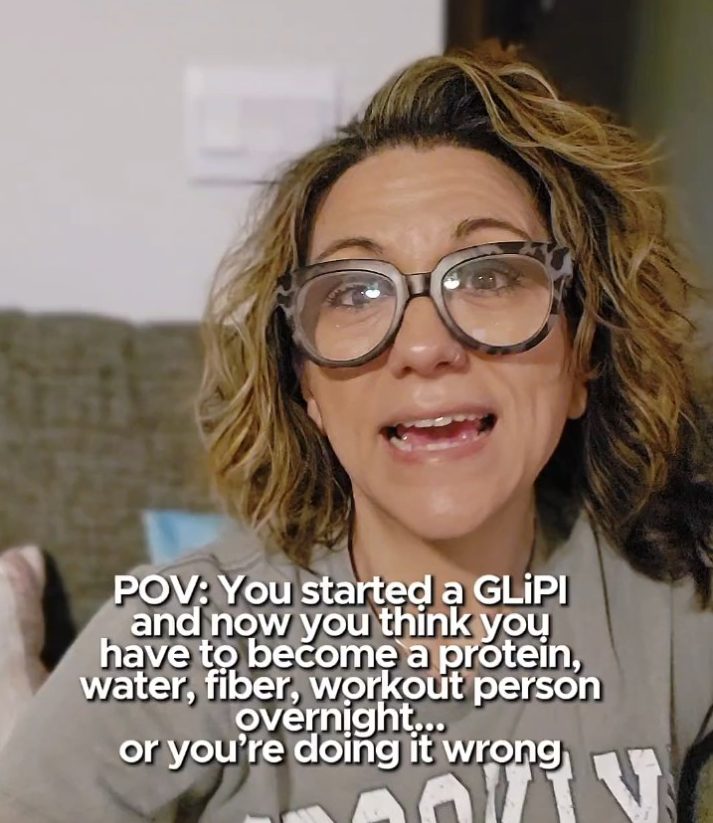









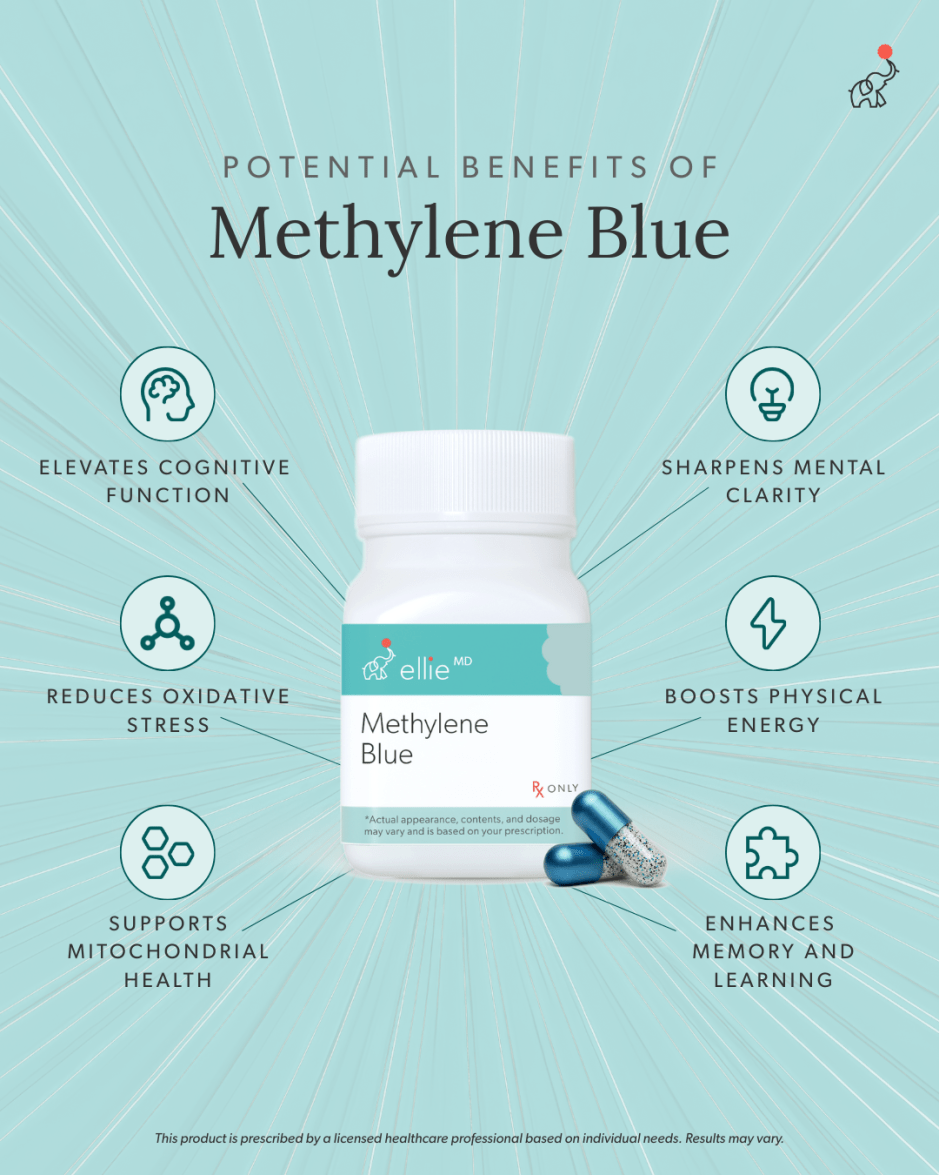
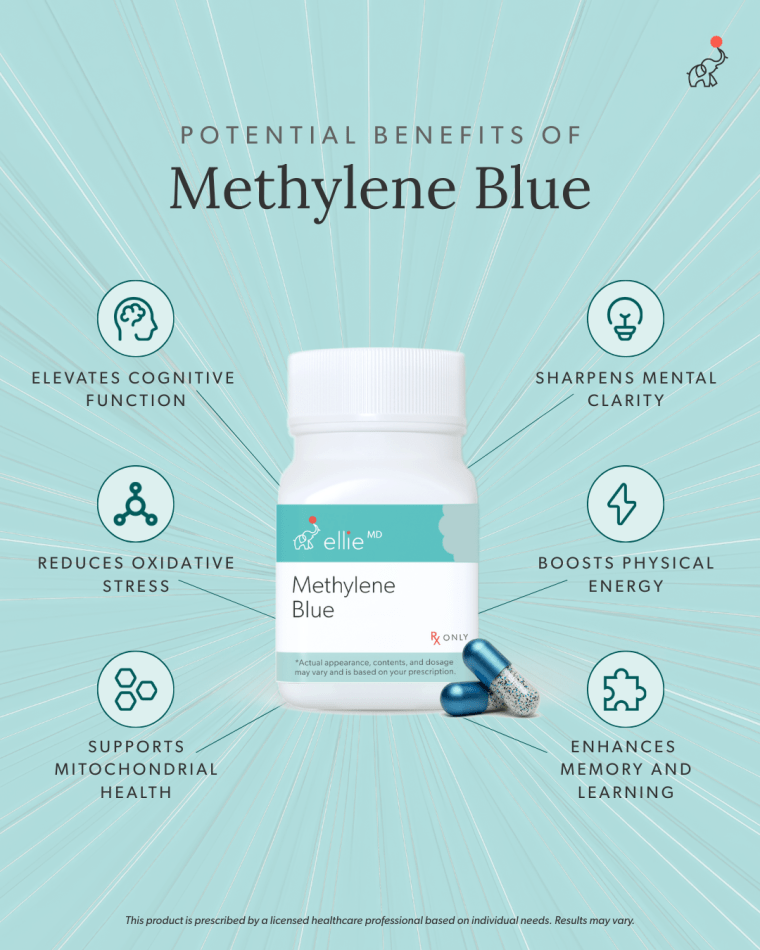
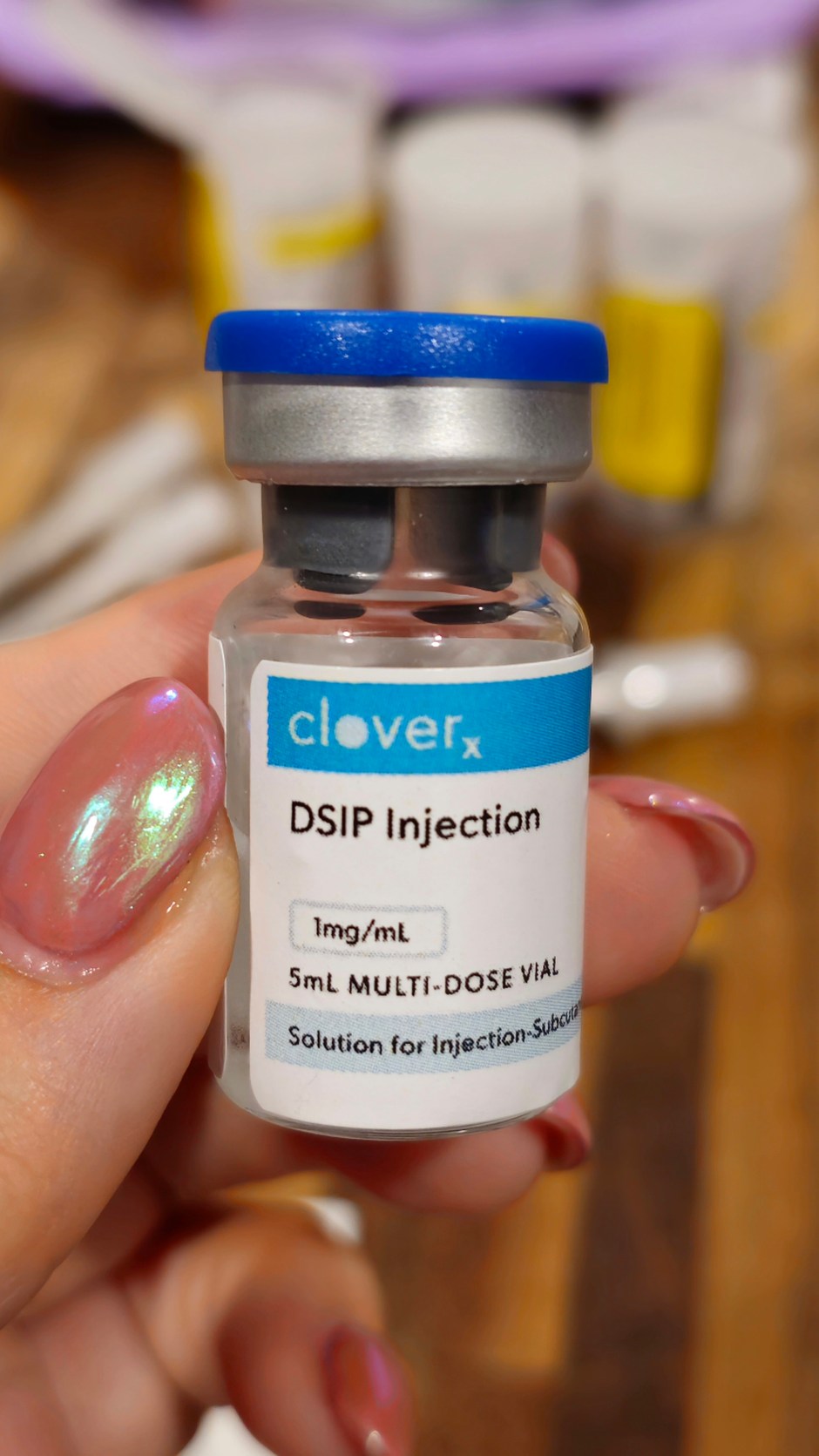
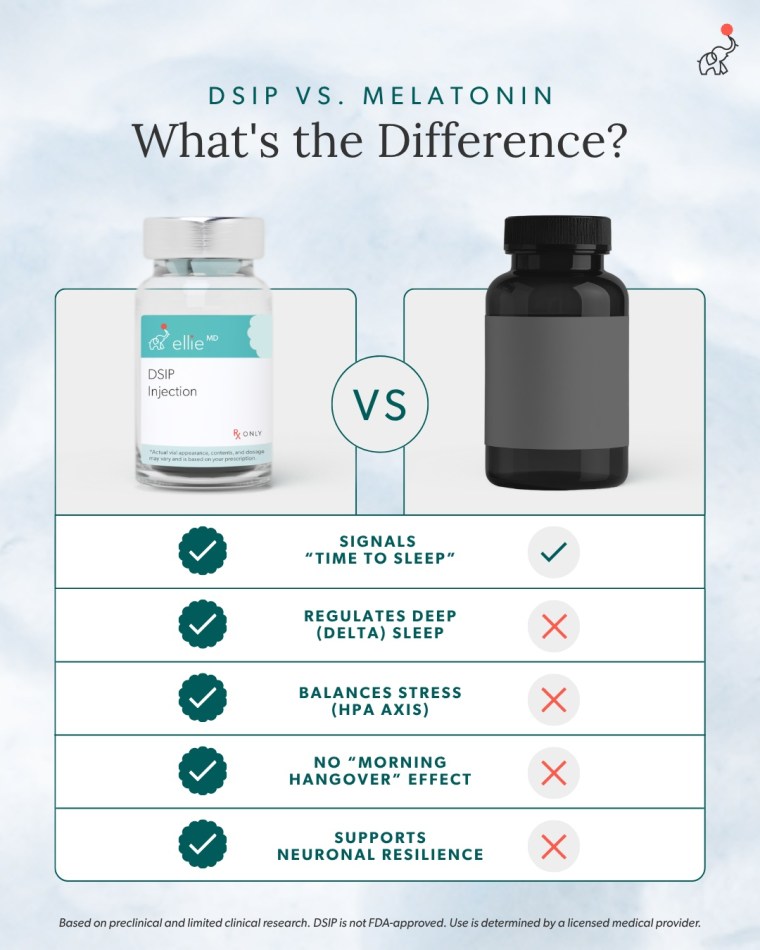
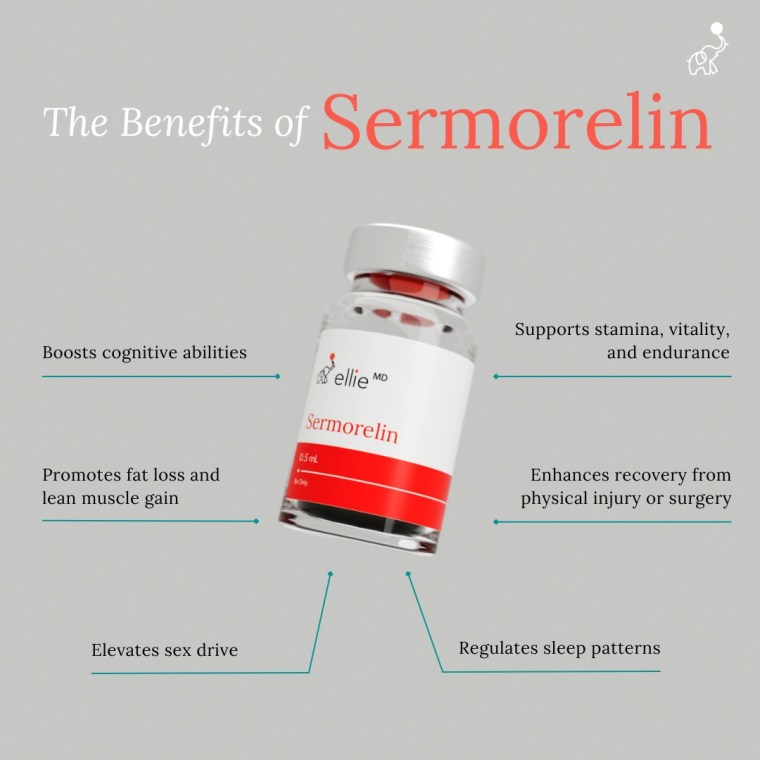
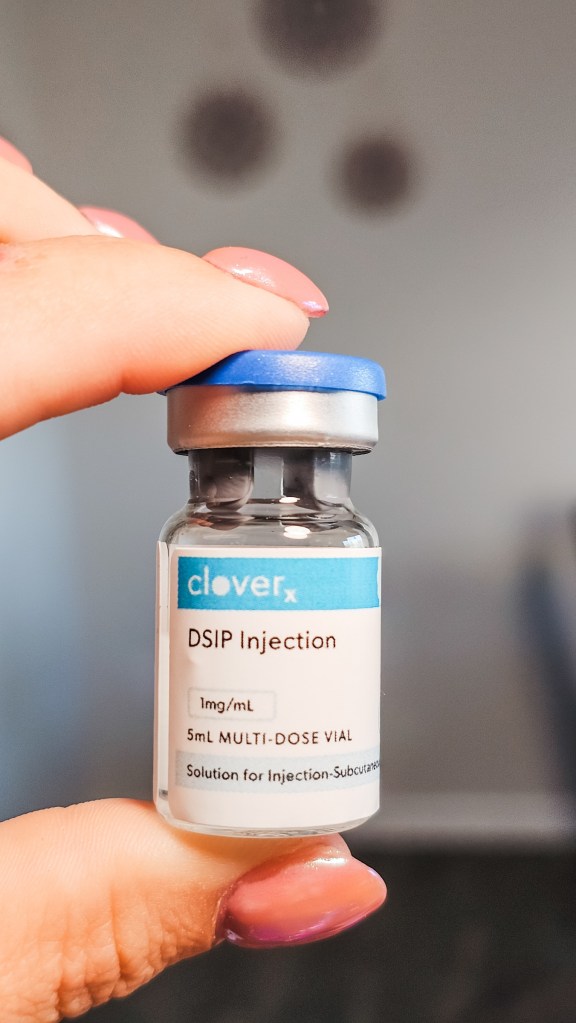
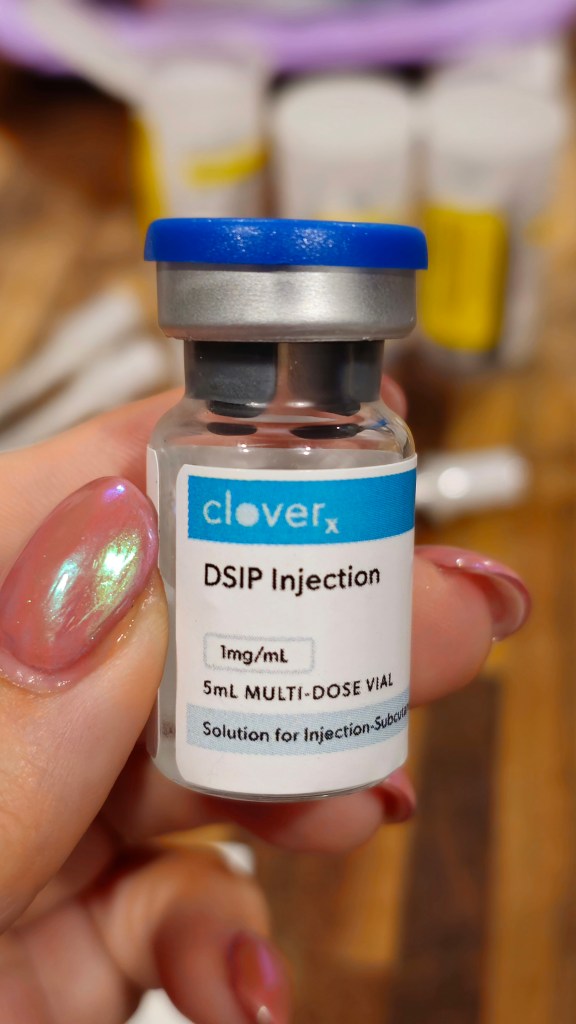
 nicoleinscrubs.com