

After losing 94 pounds, I’ve learned a few things about protein.
Some protein is actually good.
Some is… questionable.
And some makes you pause mid-sip and think, wait. Was that even protein???
For a long time, I thought protein was mostly for gym bros trying to bulk up & flex in the mirror. You know the vibe. Giant tubs. Aggressive labels. Shakers that smell suspicious even after washing.
Turns out, protein is way more important than I ever realized, especially during weight loss.
Why protein matters way more than you think
Protein isn’t about getting huge. It’s about protecting what you already have.
When you’re losing weight, especially if you’re in a calorie deficit, your body doesn’t just burn fat. It also breaks down muscle if it doesn’t have enough protein to work with. And muscle matters more than people realize.
Muscle helps keep your metabolism humming. Less muscle can mean a slower metabolism, lower energy, and weight loss that feels harder and harder to maintain.
Protein helps prevent that. It gives your body the building blocks it needs to repair and rebuild instead of breaking things down.
It also keeps you full longer. Not “I just ate and I’m still thinking about snacks” full. Actual, satisfied, walk-away-from-the-pantry full.
And yes, it supports your metabolism even when you’re doing very important activities like sitting on the couch scrolling TikTok.
The nerdy nurse explanation you didn’t get in health class.
When calories drop, your body looks for fuel. Fat is one source. Muscle is another. If protein intake is too low, muscle loss happens faster. That muscle loss can slow your metabolism, which makes continued weight loss and maintenance harder over time.
Protein helps signal to your body, hey, we need this muscle. Please don’t toss it.
This is especially important if you’re losing weight with medication, lifestyle changes, or a combination of both. The goal isn’t just a smaller number on the scale. It’s feeling strong, energized, and able to keep the results long-term.
Not all protein is created equal
Just because something says “high protein” on the label does not mean it’s doing anything helpful for your body. Some options are high quality and easy to absorb. Others are basically flavored air with a side of digestive regret.
Over the past couple years, I’ve tried a lot. Powders. Ready-to-drink shakes. Bars. And a few things that can only be described as science experiments that should’ve stayed on the shelf.
Some tasted fine but didn’t keep me full.
Some had great macros but wrecked my stomach.
Some were so chalky they made me question my life choices.
Through trial, error, and a whole lot of label reading, I’ve figured out which ones are actually worth your time. Not perfect. Not magic. Just solid options that taste decent, digest well, and actually support a weight loss journey.
So what should you look for?
You don’t need perfection. You need consistency.
A protein source that:
- Keeps you full longer
- Doesn’t upset your stomach
- Fits into your real life, not an influencer meal plan
- Helps you hit your daily protein without feeling like a chore
Protein should make your life easier, not more complicated.
My real-life protein ratings
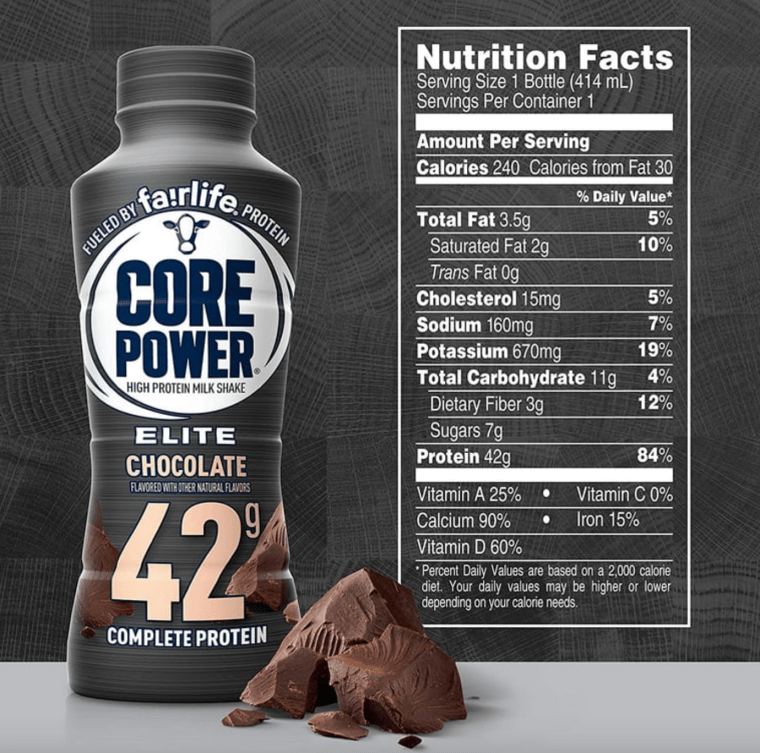
I’ve rounded up the proteins I actually use and enjoy. Not the ones that just photograph well. The ones I’ve gone back to again and again.
You can check out my full ratings and breakdowns here 👇 I rated my favorite proteins and shared the honest details
No hype. No fake enthusiasm. Just what worked for me after losing 94 pounds and trying… a lot.
Hitting reset without punishment
If the holidays left you feeling off track, tired, or frustrated with your body, this is your reminder that you don’t need extremes.
You don’t need to start over perfectly.
You don’t need to punish yourself.
You don’t need to survive on protein sludge and willpower.
Sometimes a reset just looks like fueling your body better and letting things feel easier again.
Protein is one of those quiet tools that makes everything else work better.
Your post-holiday reset doesn’t have to be dramatic.
It just has to be sustainable.
And feeling good again is a pretty solid place to start.


 nicoleinscrubs.com