The Nurses’s RX 15: You do not have to fix everything this week

The Nurse's RX newsletter header - Everything your doctor didn't have time to explain

Can we talk about something for a second?

Let me save you from doing the absolute most this week.

If you just started a GLP-1 and suddenly feel like you’re supposed to become a protein, water, fiber, meal prep, movement, perfect little wellness machine overnight… please take a breath. That is one of the fastest ways to make this feel overwhelming.

And I get why it happens. Starting a GLP-1 can feel like a fresh start, especially if you’ve spent years feeling like your body was not responding the way everyone said it should.

So your brain starts making a whole list. More protein. More water. More fiber. More steps. Better sleep. Better meals. Track everything. Fix everything. Become an entirely different human by next Tuesday.

Respectfully… that is a lot.

You do not need to become a brand-new person this week. You need one honest starting point.

Ask yourself where you’re weakest right now. Not where the internet told you to start. Not what worked for someone else. Not what sounds the most impressive. Where are you honestly struggling the most?

If you’re getting decent protein but barely drinking water, start with hydration. If you’re drinking water but constipation has entered the chat against everyone’s wishes, fiber and fluids may need more attention. If your food is pretty solid but movement has been nonexistent, start with something small enough that you’ll actually do it. If protein is the thing you keep missing, start there.

The other areas are not unimportant. They may just be good enough for now while you focus on the area that needs the most support first.

That’s the part I wish more people understood about starting these meds. Progress over perfection sounds cute on Instagram, but with GLP-1s, it’s actually practical.

When you change everything at once, it gets harder to tell what is helping and what is making you feel worse. When you work on one thing at a time, you can actually pay attention to your body.

And that matters, especially if you’re already wondering whether your dose is working, whether you need an increase, or whether you’re doing something wrong.

Sometimes a dose conversation with your provider is absolutely appropriate. But sometimes the missing piece is much less dramatic than that. Maybe you’re not getting enough protein. Maybe your hydration is basically iced coffee and hope. Maybe constipation is making everything feel worse. Maybe your body needs more support before you decide the medication itself is the problem.

That is not about blaming yourself. It’s about walking into your next provider conversation with better information.

One habit at a time. One area of improvement at a time. One realistic change you can actually keep doing.

That is how this becomes sustainable.

Not perfect. Sustainable.

And honestly, that’s the goal.

I also made a short video version of this if you’d rather hear me talk through it instead of reading my full thoughts like we’re all pretending our attention spans are thriving.

You can watch the video here: WATCH ON TIKTOK WATCH ON INSTAGRAM

And if you want the deeper explanation, I turned this into a full blog post too. I go into more detail about why trying to fix everything overnight can make starting a GLP-1 feel way more overwhelming than it needs to be.

READ THE FULL BLOG POST HERE

If you’re already on a GLP-1 and wondering, “Is it me, or is it the med?” I made a free guide for exactly that. It walks you through the four questions I asked myself before every dose increase conversation so you can go into that appointment with more clarity and less spiraling.

XOXO,
NIKI
PCOS. Perimenopause. Metabolic health. The real stuff. Not just “eat less, move more.”

ASK ME ANYTHING TRUSTED WELLNESS TOOLS
Not sure where to start? Take my free quiz and I’ll send you a custom plan.
WHAT’S RIGHT FOR MY BODY?
P.S. Missed the previous editions of The Nurse’s RX?
↓ Catch up here ↓
READ PAST EDITIONS

↓ LET’S CONNECT ↓


Let’s be clear about who I am (and who I’m not)

I’m a registered nurse and health coach who shares real, BS-free information about metabolic health, PCOS, perimenopause, and weight loss, because y’all deserve better than vague wellness fluff. But here’s what I need you to know: I am not YOUR nurse. Everything I share here is for educational purposes only. It is not medical advice, it’s not a diagnosis, and it doesn’t create a provider-patient relationship between us. Nothing here replaces the care of a licensed provider who actually knows your full health history. The opinions and content here are my own and do not reflect the views of my employer or the hospital where I work.

Scope of practice

As a nurse health coach, I can recommend over-the-counter products and supplements that may support your wellness goals. I don’t prescribe specific prescription medications. When it comes to GLP-1s and peptides, what I can do is talk about the science, what’s available, and what may be beneficial, so you can have an informed conversation with your licensed medical provider. The decision about what’s right for your body always belongs to you and your provider. Always consult your licensed provider before starting any prescription treatment. These statements have not been evaluated by the FDA. Products discussed are not intended to diagnose, treat, cure, or prevent any disease.

Transparency

I only recommend things I actually trust. Most are products I personally use, some are from partners whose clinical standards I believe in. I will always let you know when it’s something I haven’t tried personally. Some links in this email are affiliate links or part of brand partnerships, which means I may earn a commission at no extra cost to you. As an Amazon Associate, I earn from qualifying purchases.

Results + Testimonials

Any testimonials or results shared here reflect individual experiences only. Results are not guaranteed and will vary based on individual circumstances.

Read the full fine print at nicoleinscrubs.com/disclosure

No longer wish to receive these emails? UNSUBSCRIBE HERE

Protein After Weight Loss: What Actually Matters (and What’s Just Flavored Air)

After losing 94 pounds, I’ve learned a few things about protein.

Some protein is actually good.
Some is… questionable.
And some makes you pause mid-sip and think, wait. Was that even protein???

For a long time, I thought protein was mostly for gym bros trying to bulk up & flex in the mirror. You know the vibe. Giant tubs. Aggressive labels. Shakers that smell suspicious even after washing.

Turns out, protein is way more important than I ever realized, especially during weight loss.

Why protein matters way more than you think

Protein isn’t about getting huge. It’s about protecting what you already have.

When you’re losing weight, especially if you’re in a calorie deficit, your body doesn’t just burn fat. It also breaks down muscle if it doesn’t have enough protein to work with. And muscle matters more than people realize.

Muscle helps keep your metabolism humming. Less muscle can mean a slower metabolism, lower energy, and weight loss that feels harder and harder to maintain.

Protein helps prevent that. It gives your body the building blocks it needs to repair and rebuild instead of breaking things down.

It also keeps you full longer. Not “I just ate and I’m still thinking about snacks” full. Actual, satisfied, walk-away-from-the-pantry full.

And yes, it supports your metabolism even when you’re doing very important activities like sitting on the couch scrolling TikTok.

The nerdy nurse explanation you didn’t get in health class.

When calories drop, your body looks for fuel. Fat is one source. Muscle is another. If protein intake is too low, muscle loss happens faster. That muscle loss can slow your metabolism, which makes continued weight loss and maintenance harder over time.

Protein helps signal to your body, hey, we need this muscle. Please don’t toss it.

This is especially important if you’re losing weight with medication, lifestyle changes, or a combination of both. The goal isn’t just a smaller number on the scale. It’s feeling strong, energized, and able to keep the results long-term.

Not all protein is created equal

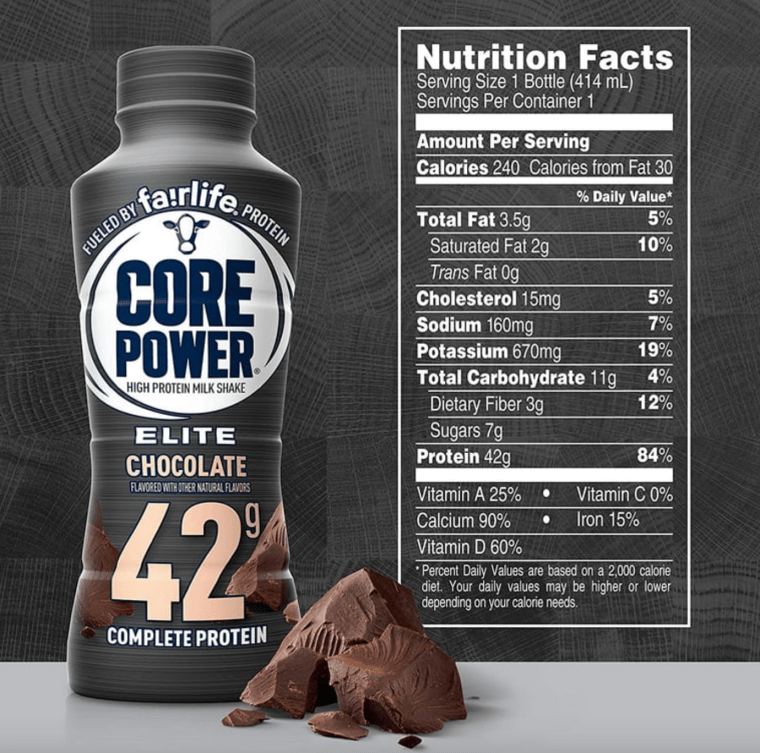
Just because something says “high protein” on the label does not mean it’s doing anything helpful for your body. Some options are high quality and easy to absorb. Others are basically flavored air with a side of digestive regret.

Over the past couple years, I’ve tried a lot. Powders. Ready-to-drink shakes. Bars. And a few things that can only be described as science experiments that should’ve stayed on the shelf.

Some tasted fine but didn’t keep me full.
Some had great macros but wrecked my stomach.
Some were so chalky they made me question my life choices.

Through trial, error, and a whole lot of label reading, I’ve figured out which ones are actually worth your time. Not perfect. Not magic. Just solid options that taste decent, digest well, and actually support a weight loss journey.

So what should you look for?

You don’t need perfection. You need consistency.

A protein source that:

  • Keeps you full longer
  • Doesn’t upset your stomach
  • Fits into your real life, not an influencer meal plan
  • Helps you hit your daily protein without feeling like a chore

Protein should make your life easier, not more complicated.

My real-life protein ratings

I’ve rounded up the proteins I actually use and enjoy. Not the ones that just photograph well. The ones I’ve gone back to again and again.

You can check out my full ratings and breakdowns here 👇
I rated my favorite proteins and shared the honest details

No hype. No fake enthusiasm. Just what worked for me after losing 94 pounds and trying… a lot.

Hitting reset without punishment

If the holidays left you feeling off track, tired, or frustrated with your body, this is your reminder that you don’t need extremes.

You don’t need to start over perfectly.
You don’t need to punish yourself.
You don’t need to survive on protein sludge and willpower.

Sometimes a reset just looks like fueling your body better and letting things feel easier again.

Protein is one of those quiet tools that makes everything else work better.

Your post-holiday reset doesn’t have to be dramatic.
It just has to be sustainable.

And feeling good again is a pretty solid place to start.


Professional Disclosure: I provide BS-free metabolic education as a registered nurse and health coach for women navigating PCOS, perimenopause, and stubborn weight loss. While I share evidence-based research and nurse-informed support, please remember that I am not your nurse. The content shared here is for educational purposes only. It does not constitute medical advice, diagnosis, or treatment, and it does not establish a provider-patient relationship. Nothing on this site is a substitute for care from a licensed provider who knows your full health history. All opinions and content shared on this platform are my own and do not reflect the views or endorsements of my employer or the hospital where I am employed.

Scope of Practice and FDA: Per professional coaching guidelines, I may recommend over the counter (OTC) medications or supplements to support your wellness goals. However, I do not prescribe or recommend specific prescription medications. For prescription options, including GLP-1 tools, my role is to help you understand the available science so you can have an informed discussion with your licensed healthcare provider. These statements have not been evaluated by the Food and Drug Administration. Products discussed are not intended to diagnose, treat, cure, or prevent any disease, and medical treatments require professional oversight.

Trust and Transparency: I only recommend products I trust. Most are items I use personally, while others are shared based on my professional trust in the clinical standards of partners like Ellie MD. Some links are affiliate links or part of brand partnerships, which means I may earn a commission at no extra cost to you. As an Amazon Associate I earn from qualifying purchases.