
Before we even talk about glycine, we need to talk about amino acids.
Amino acids are your body’s basic building blocks. Think of them like individual beads on a necklace. One bead by itself does not look like much. But string enough of them together in the right order, and suddenly you have a necklace that actually does something.
That is how proteins work in your body. Proteins are long chains made from amino acids, and proteins are responsible for almost everything happening behind the scenes.
Hormones. Muscle repair. Healing. Immune support. Neurotransmitters that decide whether you feel calm or wired. Skin. Joints. Metabolism. All of it starts with these tiny building blocks.

Glycine is one of those amino acids. It is small, simple in structure, and often underestimated, but it plays an important role in several systems that matter during weight loss, maintenance, and overall metabolic health.
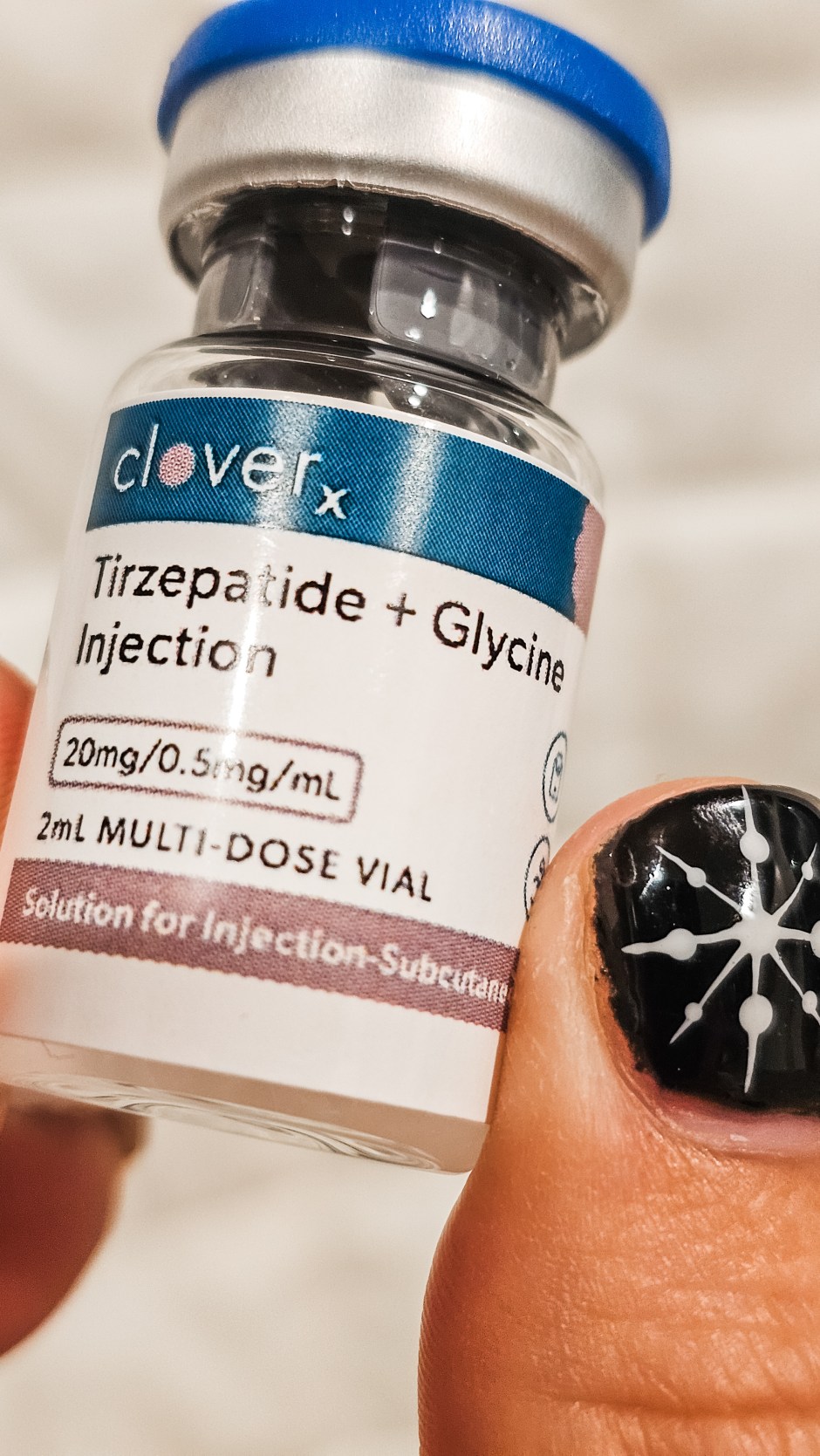
Glycine is often used as part of GLP-1 treatment plans to support sleep, recovery, and overall metabolic health during weight loss and maintenance.
What Glycine Does in the Body (Sleep, Recovery, and Nervous System Support)
Glycine is classified as a non-essential amino acid, which means the body can produce it on its own. That does not mean the body always produces enough to meet demand, especially during periods of stress, calorie restriction, poor sleep, illness, or increased physical demands.
It plays a role in calming the nervous system. Glycine acts as an inhibitory neurotransmitter in the brain, which means it helps quiet things down rather than rev them up. That is one reason it is commonly associated with deeper, more restorative sleep.
It supports collagen production. Collagen is a major structural protein in skin, joints, connective tissue, and the gut lining. Glycine makes up a large portion of collagen’s amino acid structure, so having adequate levels matters for recovery and tissue health.
It contributes to recovery and repair. Glycine is involved in protein synthesis and cellular repair processes. These processes are especially important during weight loss, when the body is adapting to metabolic changes and repairing tissue while using stored energy.
It supports metabolic and inflammatory balance. Glycine has been studied for its role in supporting insulin sensitivity and reducing oxidative stress. These effects are supportive in nature and vary between individuals.
This is why glycine tends to feel subtle. You do not take it and feel a dramatic jolt of energy. Instead, people often notice better sleep quality, smoother recovery, and a calmer, more regulated nervous system over time.
Glycine as a Standalone Supplement
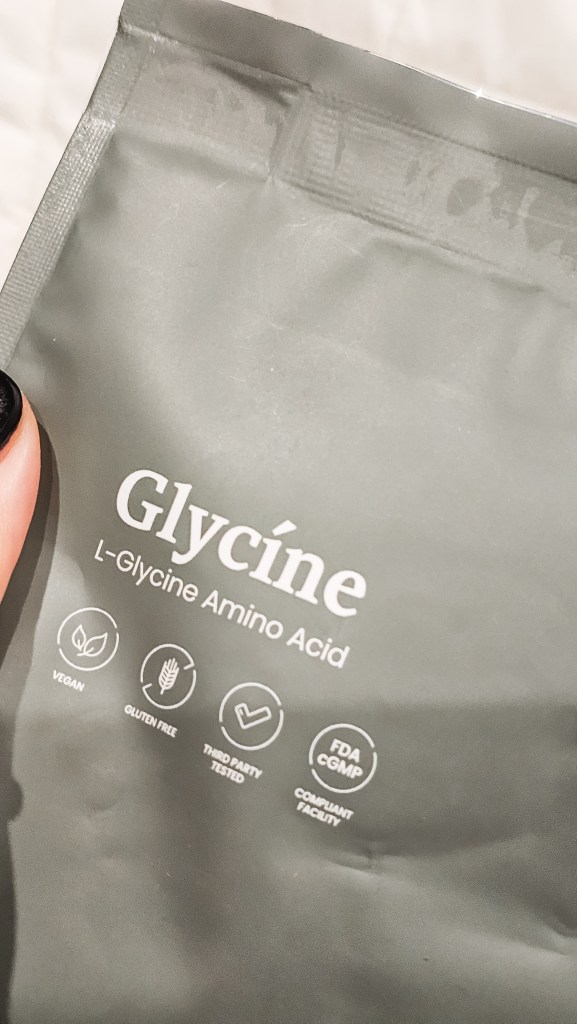
When glycine is taken as an oral supplement, it is usually used on an as-needed basis. Most people reach for it in situations like:
- difficulty sleeping
- increased stress
- feeling overstimulated
- needing additional recovery support
Because glycine helps promote relaxation without acting as a sedative, it is often taken in the evening. Some people also use it during periods of increased physical or metabolic stress.
The key thing to understand here is flexibility. Oral glycine is something you can adjust based on how you feel. You can take it occasionally or more consistently, depending on your needs and your provider’s guidance.
It is supportive, not forceful. It works with your system rather than pushing it.
Glycine Added to a GLP-1 or GLP-1/GIP Injection
When glycine is compounded into a GLP-1 or GLP-1/GIP injection, it is not something you take “as needed.” It becomes part of a once-weekly dosing routine, providing consistent exposure over time rather than symptom-based use.
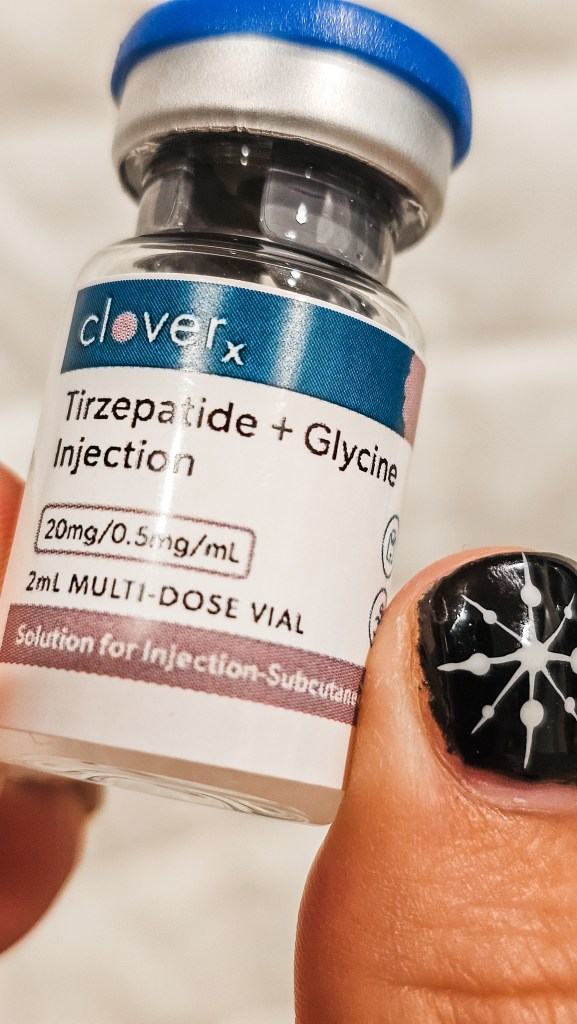
Instead of responding to symptoms in the moment, this approach provides your body with a steady, predictable level of glycine week after week. That consistency allows your system to use it as background support rather than a quick fix.
This compounded formulation is prepared by licensed pharmacists and tailored based on provider guidance. It is not the same as taking an over-the-counter supplement, and it is not interchangeable with FDA-approved medications.
Glycine During Active Weight Loss
During active weight loss, the body is under increased physiological demand. Hormones are shifting. Metabolism is adapting. Tissues are repairing. Muscle needs support. Sleep quality often takes a hit. The nervous system can feel stressed even when weight loss is going well.
This is where glycine quietly earns its keep.
By supporting sleep quality and recovery, glycine helps your body handle the demands of weight loss more smoothly. Better sleep supports appetite regulation, stress hormones, and overall metabolic health. Recovery support matters when your body is pulling from stored energy and adapting to change.
Glycine does not directly cause weight loss. Instead, it supports the systems that help the body tolerate and sustain the process more effectively.
Glycine in Maintenance and Long-Term Regulation
Maintenance is where glycine often shines the most.
Once weight loss slows or stops, the goal shifts from change to stability. Nervous system regulation, sleep consistency, recovery, and metabolic steadiness become the priority.
Glycine supports these goals by promoting calmer nervous system activity, supporting recovery, and contributing to overall regulation rather than stimulation.
People in maintenance often care less about pushing and more about feeling regulated. Sleeping better. Recovering more easily. Feeling calmer in their body. Glycine supports those systems without adding stimulation or stress.
For many people, maintenance is where glycine’s steady, non-disruptive support becomes most noticeable.
Weekly Glycine vs As-Needed Glycine

This is where the two approaches can work together rather than compete.
The glycine in a weekly injection provides consistent baseline support. It is always there, quietly doing its job.
Oral glycine can be layered in as needed. Think of it as situational support for sleep disruptions, stressful weeks, or extra recovery needs.
One approach is structured and routine. The other is flexible and responsive. Together, they can support different needs at different times.
Both serve a purpose, depending on where you are in your journey and what your body is asking for.
The Takeaway
Glycine is not flashy. It does not promise overnight transformations. It does not come with dramatic sensations or instant feedback.
What it offers instead is steadiness.
Better sleep quality. Smoother recovery. Nervous system support. Structural support through collagen. Quiet metabolic assistance while your body does the heavy lifting.
Whether it is built into a weekly GLP-1 or GLP-1/GIP injection or used as an oral supplement when needed, glycine works best when you let it be what it is.
Consistent. Supportive. Calm.













 nicoleinscrubs.com