How to Handle Snack Cravings and Maintain Weight Loss on a GLP-1

If you’re like me and find yourself stuck in the house for a few days, you might be feeling a little extra snacky! I know I definitely do. That is totally my M.O. though. I always snack way more when I am chillin at home than when I’m at work on a busy shift in the NICU or out running errands.

Healthy Snacks for Your GLP-1 Weight Loss Journey

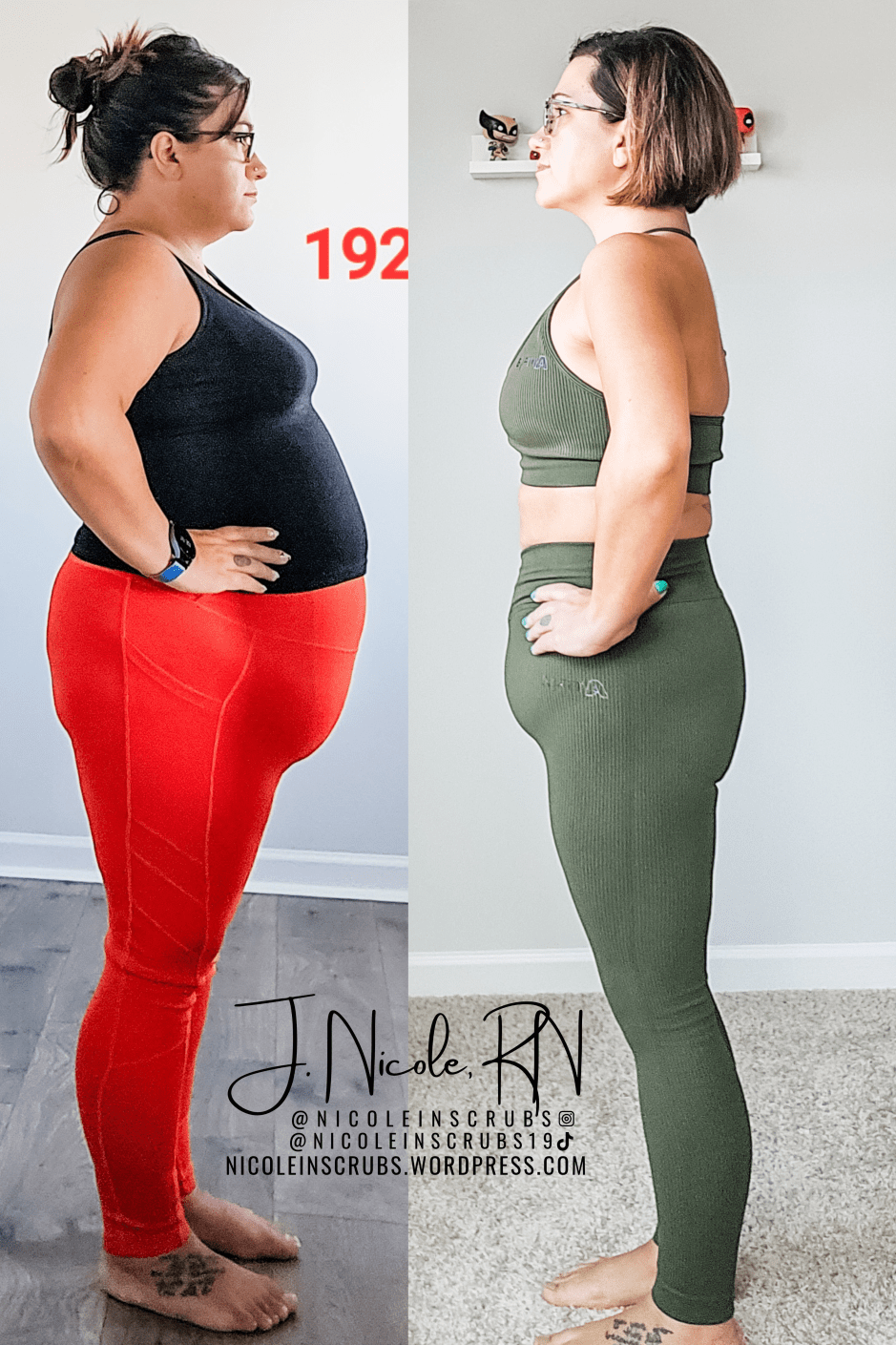
The biggest difference for me now, especially after losing 94 pounds, is that I don’t eat the massive quantities I used to. I also typically reach for healthier options. My go-to snacks include That’s It fruit bars, protein bars that actually taste like candy, protein chips, and granola bars.
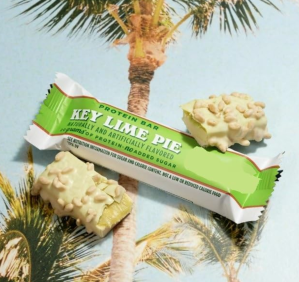
Key Lime Pie protein bar by Barebells on a tropical background, a healthy snack idea for GLP-1 maintenance.
This Key Lime Pie protein bar by Barebells actually tastes like dessert. It is one of my favorite go to snacks when I am stuck at home and feeling snacky.

Do I still cave and have a fun-size Snickers?

You bet I do!

But I don’t eat the whole bag. And I absolutely do not feel guilty over wanting and having a Snickers once in a blue moon now. That is exactly what happens when you use these medications as a tool and not just a quick fix.

Navigating GLP-1 Maintenance: How to Taper Off GLP-1 Medication

This is also a huge part of where I am on my own wellness journey right now. I am well into maintenance, but I’m also slowly decreasing my dosing to allow for a slightly higher food intake than when I was actively losing weight. Finding yourself stuck at home for a few days can really test that balance! I’m in that tricky spot between increasing my intake & decreasing my dose, making sure not to do either one too quickly or too slowly.

I don’t want to lose any more weight, but I also don’t want to gain more than a few pounds in the process, so I can maintain my other health goals, like my lower blood pressure.

Maintenance isn’t always as easy as it looks on the gram. But I have amazing tools and resources at my fingertips with EllieMD to keep it going!

Will I Gain Weight if I Stop Taking My GLP-1?

It’s completely normal to worry about the weight coming right back the second you stop your medication. This is a super common question!

If you start or continue your GLP-1 journey with me, I will be your ultimate nurse hype girl. I will help you learn how to make better choices that keep you full longer so you can continue these healthy habits when you are ready to come off the meds.

It’s totally okay to do a slow taper off if that makes you feel more comfortable. You can ease into doing it all on your own by planning your taper doses directly with your doctor. If you notice the scale creeping up during your taper, that’s when we will plan the right diet and activity adjustments to help you maintain your current weight. Then, if the weight starts creeping back up after you are completely off the medications, you can talk to your provider about how a short-term microdose might be beneficial.

Depending on your personal health history, like mine with PCOS, it’s also completely fine if you need to be on these medications long term. It is totally up to you and your doctor to decide if that is the right choice for your body.

Want to talk about this with me?

CLICK HERE TO BOOK A FREE 15 MIN CALL WITH ME

OR YOU CAN JUST TEXT ME YOUR QUESTIONS


Professional Disclosure: I provide BS-free metabolic education as a registered nurse and health coach for women navigating PCOS, perimenopause, and stubborn weight loss. While I share evidence-based research and nurse-informed support, please remember that I am not your nurse. The content shared here is for educational purposes only. It does not constitute medical advice, diagnosis, or treatment, and it does not establish a provider-patient relationship. Nothing on this site is a substitute for care from a licensed provider who knows your full health history. All opinions and content shared on this platform are my own and do not reflect the views or endorsements of my employer or the hospital where I am employed.

Scope of Practice and FDA: Per professional coaching guidelines, I may recommend over the counter (OTC) medications or supplements to support your wellness goals. However, I do not prescribe or recommend specific prescription medications. For prescription options, including GLP-1 tools, my role is to help you understand the available science so you can have an informed discussion with your licensed healthcare provider. These statements have not been evaluated by the Food and Drug Administration. Products discussed are not intended to diagnose, treat, cure, or prevent any disease, and medical treatments require professional oversight.

Trust and Transparency: I only recommend products I trust. Most are items I use personally, while others are shared based on my professional trust in the clinical standards of partners like Ellie MD. Some links are affiliate links or part of brand partnerships, which means I may earn a commission at no extra cost to you. As an Amazon Associate I earn from qualifying purchases.
Glycine and GLP-1: How Glycine Supports Sleep, Recovery, and Metabolic Health

Before we even talk about glycine, we need to talk about amino acids.

Amino acids are your body’s basic building blocks. Think of them like individual beads on a necklace. One bead by itself does not look like much. But string enough of them together in the right order, and suddenly you have a necklace that actually does something.

That is how proteins work in your body. Proteins are long chains made from amino acids, and proteins are responsible for almost everything happening behind the scenes.

Hormones. Muscle repair. Healing. Immune support. Neurotransmitters that decide whether you feel calm or wired. Skin. Joints. Metabolism. All of it starts with these tiny building blocks.

Close-up of glycine amino acid powder on a measuring scoop in front of a glycine supplement container
Glycine as an oral amino acid supplement, often used for sleep and recovery support.

Glycine is one of those amino acids. It is small, simple in structure, and often underestimated, but it plays an important role in several systems that matter during weight loss, maintenance, and overall metabolic health.

Glycine is often used as part of GLP-1 treatment plans to support sleep, recovery, and overall metabolic health during weight loss and maintenance.

What Glycine Does in the Body (Sleep, Recovery, and Nervous System Support)

Glycine is classified as a non-essential amino acid, which means the body can produce it on its own. That does not mean the body always produces enough to meet demand, especially during periods of stress, calorie restriction, poor sleep, illness, or increased physical demands.

It plays a role in calming the nervous system. Glycine acts as an inhibitory neurotransmitter in the brain, which means it helps quiet things down rather than rev them up. That is one reason it is commonly associated with deeper, more restorative sleep.

It supports collagen production. Collagen is a major structural protein in skin, joints, connective tissue, and the gut lining. Glycine makes up a large portion of collagen’s amino acid structure, so having adequate levels matters for recovery and tissue health.

It contributes to recovery and repair. Glycine is involved in protein synthesis and cellular repair processes. These processes are especially important during weight loss, when the body is adapting to metabolic changes and repairing tissue while using stored energy.

It supports metabolic and inflammatory balance. Glycine has been studied for its role in supporting insulin sensitivity and reducing oxidative stress. These effects are supportive in nature and vary between individuals.

This is why glycine tends to feel subtle. You do not take it and feel a dramatic jolt of energy. Instead, people often notice better sleep quality, smoother recovery, and a calmer, more regulated nervous system over time.

Glycine as a Standalone Supplement

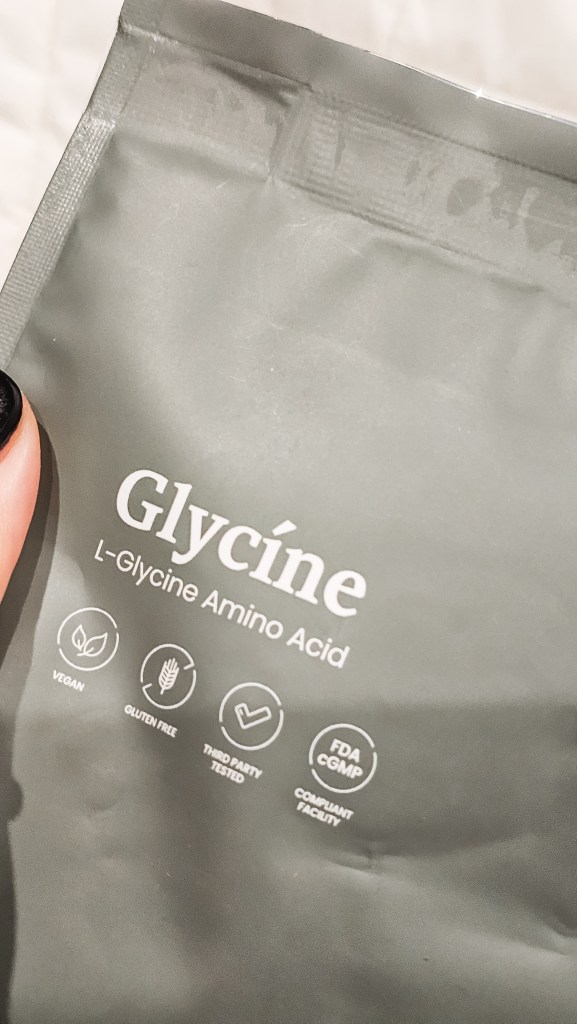
Bag of L-glycine amino acid supplement labeled vegan and gluten free
L-glycine supplement used as needed for sleep, stress, or recovery support.

When glycine is taken as an oral supplement, it is usually used on an as-needed basis. Most people reach for it in situations like:

  • difficulty sleeping
  • increased stress
  • feeling overstimulated
  • needing additional recovery support

Because glycine helps promote relaxation without acting as a sedative, it is often taken in the evening. Some people also use it during periods of increased physical or metabolic stress.

The key thing to understand here is flexibility. Oral glycine is something you can adjust based on how you feel. You can take it occasionally or more consistently, depending on your needs and your provider’s guidance.

It is supportive, not forceful. It works with your system rather than pushing it.

Glycine Added to a GLP-1 or GLP-1/GIP Injection

When glycine is compounded into a GLP-1 or GLP-1/GIP injection, it is not something you take “as needed.” It becomes part of a once-weekly dosing routine, providing consistent exposure over time rather than symptom-based use.

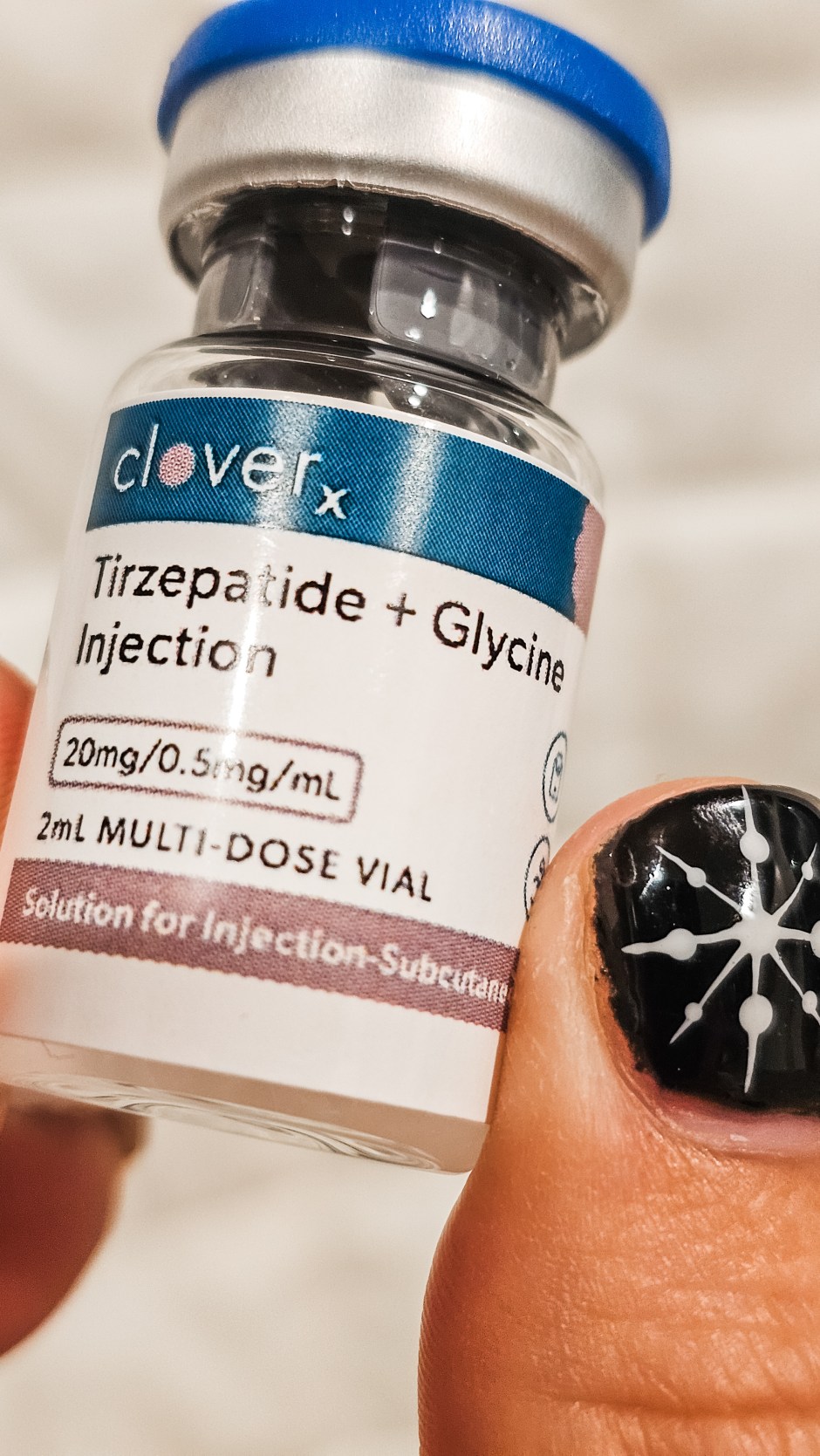
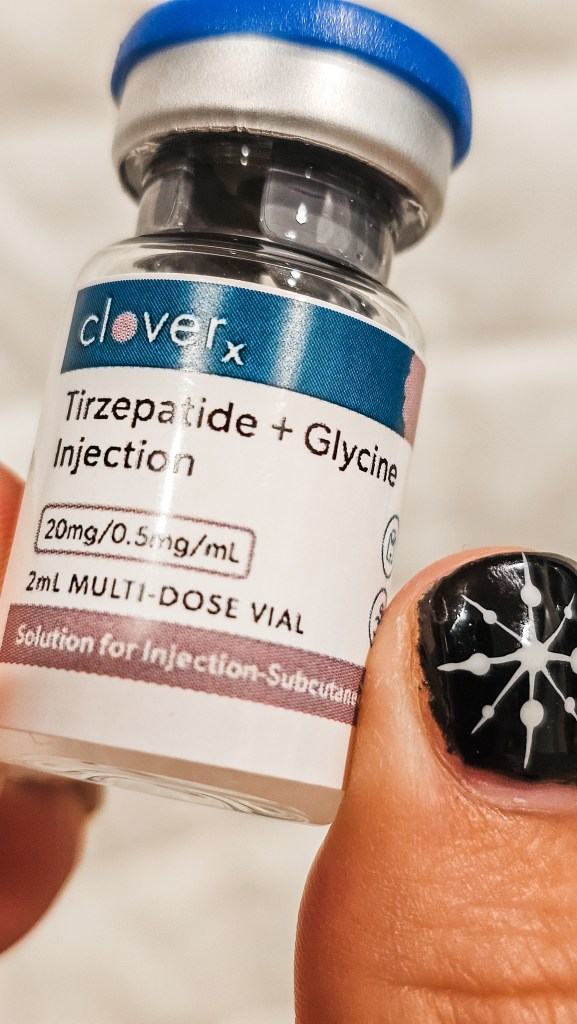
Compounded tirzepatide and glycine injection vial labeled for subcutaneous use
Compounded GLP-1/GIP medication with glycine added for supportive benefits.

Instead of responding to symptoms in the moment, this approach provides your body with a steady, predictable level of glycine week after week. That consistency allows your system to use it as background support rather than a quick fix.

This compounded formulation is prepared by licensed pharmacists and tailored based on provider guidance. It is not the same as taking an over-the-counter supplement, and it is not interchangeable with FDA-approved medications.

Glycine During Active Weight Loss

During active weight loss, the body is under increased physiological demand. Hormones are shifting. Metabolism is adapting. Tissues are repairing. Muscle needs support. Sleep quality often takes a hit. The nervous system can feel stressed even when weight loss is going well.

This is where glycine quietly earns its keep.

By supporting sleep quality and recovery, glycine helps your body handle the demands of weight loss more smoothly. Better sleep supports appetite regulation, stress hormones, and overall metabolic health. Recovery support matters when your body is pulling from stored energy and adapting to change.

Glycine does not directly cause weight loss. Instead, it supports the systems that help the body tolerate and sustain the process more effectively.

Glycine in Maintenance and Long-Term Regulation

Maintenance is where glycine often shines the most.

Once weight loss slows or stops, the goal shifts from change to stability. Nervous system regulation, sleep consistency, recovery, and metabolic steadiness become the priority.

Glycine supports these goals by promoting calmer nervous system activity, supporting recovery, and contributing to overall regulation rather than stimulation.

People in maintenance often care less about pushing and more about feeling regulated. Sleeping better. Recovering more easily. Feeling calmer in their body. Glycine supports those systems without adding stimulation or stress.

For many people, maintenance is where glycine’s steady, non-disruptive support becomes most noticeable.

Weekly Glycine vs As-Needed Glycine

Compounded GLP-1 injection vial containing tirzepatide and glycine
Weekly GLP-1 injection with glycine included for consistent background support.

This is where the two approaches can work together rather than compete.

The glycine in a weekly injection provides consistent baseline support. It is always there, quietly doing its job.

Oral glycine can be layered in as needed. Think of it as situational support for sleep disruptions, stressful weeks, or extra recovery needs.

One approach is structured and routine. The other is flexible and responsive. Together, they can support different needs at different times.

Both serve a purpose, depending on where you are in your journey and what your body is asking for.

The Takeaway

Glycine is not flashy. It does not promise overnight transformations. It does not come with dramatic sensations or instant feedback.

What it offers instead is steadiness.

Better sleep quality. Smoother recovery. Nervous system support. Structural support through collagen. Quiet metabolic assistance while your body does the heavy lifting.

Whether it is built into a weekly GLP-1 or GLP-1/GIP injection or used as an oral supplement when needed, glycine works best when you let it be what it is.

Consistent. Supportive. Calm.


Professional Disclosure: I provide BS-free metabolic education as a registered nurse and health coach for women navigating PCOS, perimenopause, and stubborn weight loss. While I share evidence-based research and nurse-informed support, please remember that I am not your nurse. The content shared here is for educational purposes only. It does not constitute medical advice, diagnosis, or treatment, and it does not establish a provider-patient relationship. Nothing on this site is a substitute for care from a licensed provider who knows your full health history. All opinions and content shared on this platform are my own and do not reflect the views or endorsements of my employer or the hospital where I am employed.

Scope of Practice and FDA: Per professional coaching guidelines, I may recommend over the counter (OTC) medications or supplements to support your wellness goals. However, I do not prescribe or recommend specific prescription medications. For prescription options, including GLP-1 tools, my role is to help you understand the available science so you can have an informed discussion with your licensed healthcare provider. These statements have not been evaluated by the Food and Drug Administration. Products discussed are not intended to diagnose, treat, cure, or prevent any disease, and medical treatments require professional oversight.

Trust and Transparency: I only recommend products I trust. Most are items I use personally, while others are shared based on my professional trust in the clinical standards of partners like Ellie MD. Some links are affiliate links or part of brand partnerships, which means I may earn a commission at no extra cost to you. As an Amazon Associate I earn from qualifying purchases.
My Secret Black Bean Protein Hack: Simple Flavor, Zero Effort

I’m a big believer that healthy eating should never be complicated. If a recipe or prep step takes too long, chances are I won’t stick with it-and I’m guessing you feel the same way!

Over my wellness journey, which has thankfully led to a 94lb total weight loss, I’ve relied heavily on easy protein and fiber sources to keep me full, satisfied, and on track. This one simple food prep trick has become a staple in my kitchen, and I can’t wait to share it with you.

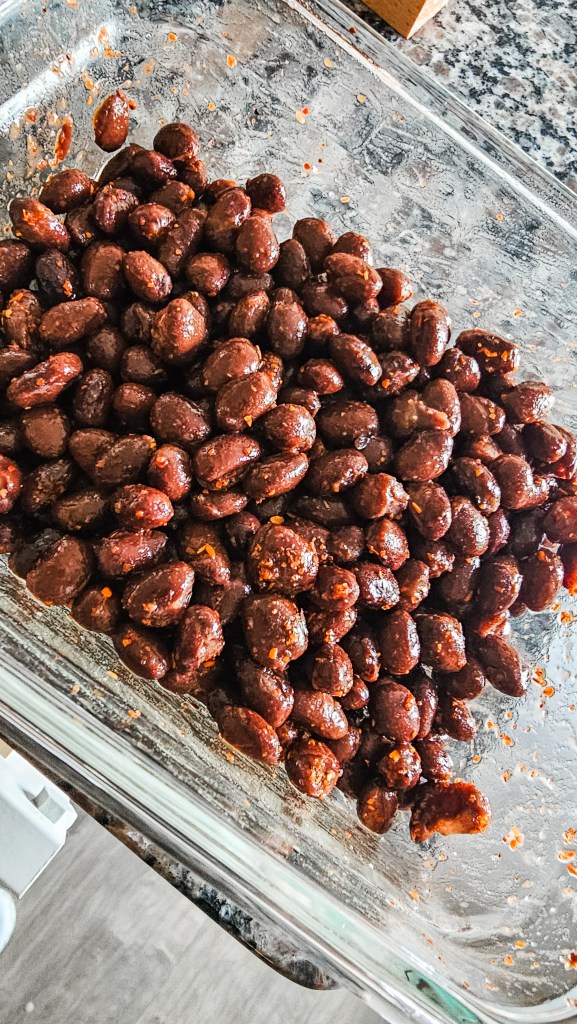
Meal prep protein hack: Black beans seasoned with Tajín chili lime powder in a clear glass storage container for quick addition to healthy recipes.
This two-ingredient black bean protein hack is my secret weapon for fast, healthy meals all week. Simple prep, maximum flavor!

The Two-Ingredient Protein Powerhouse

Forget fancy cooking. All you need for this high-protein, high-fiber hack is:

  1. One can of black beans (or two, or three-stock up!)
  2. A bottle of Tajín Clásico Seasoning

That’s it. This combo turns plain canned beans into a vibrant, zesty side or topping that tastes amazing cold, making it perfect for meal prepping.

The “How-To” in 60 Seconds

The goal here is minimal effort for maximum flavor.

  1. Rinse and Drain::
    • Open your can of black beans
    • Pour them into a strainer
    • Give them a thorough rinse under cold water
      • This removes the starchy canning liquid and makes the final product taste much fresher.
  2. Toss::
    • Put the rinsed beans into a bowl or directly into your meal prep container.
  3. Season::
    • Sprinkle generously with Tajín.
    • I don’t measure, but you want to ensure a light coating of the chili-lime powder covers all the beans.
    • Give the container a good shake (or stir with a spoon).
  4. Chill and Store::
    • Store them in an airtight container in the fridge.
    • They’ll keep well for about 5 days.

The light salt, chili, and lime flavor of the Tajín permeates the beans overnight, making them an instant flavor-booster for any meal.

4 Ways to Add Zesty Protein to Your Week

This hack is designed for versatility. Since the beans are ready to go, you can toss them into almost anything for an extra boost of fiber and protein.

  • Elevated Salads::
    • Ditch plain croutons.
    • A spoonful of Tajín black beans adds texture, protein, and a vibrant kick to any garden or taco salad.
  • Breakfast Burritos::
    • Start your day strong – mix these into your morning scramble with eggs and cheese, then wrap in a tortilla.
  • Quick Tacos/Bowls::
    • They are the perfect ready-made filling for a simple weeknight taco night or a quick lunch bowl with rice and veggies.
  • Simple Side Dish::
    • Need a quick, healthy side? Just scoop a serving onto your plate next to a piece of grilled chicken or fish.

Try this simple hack this week! It’s one of those small changes that makes a big difference in hitting your daily protein and fiber goals without adding any extra cooking time to your routine.

It’s Not Cheating, It’s Chemistry: My GLP-1 Journey with Ellie MD | Nicole in Scrubs

Every time I share about my GLP-1 journey, the comments flood in.
Some supportive. Some curious. Some skeptical.

And almost every time, someone says it:

“But isn’t that cheating?”

Let’s talk about that.

Because if we don’t call glasses cheating for eyesight 👓
or insulin cheating for diabetes 💉
then why do we treat GLP-1s any differently?

I’m Niki — NICU nurse, wellness advocate, and creator behind Nicole in Scrubs. 💜
I’ve seen how often people blame themselves for health struggles that are really rooted in biology. That’s why I share my GLP-1 journey so openly — to show what happens when science and self-compassion finally meet.

If you’ve been curious about GLP-1 medications or how to start your own journey with support that actually listens, I’ve partnered with Ellie MD to make that process simple, safe, and personal. I even offer one-on-one coaching for everyone who begins through my link.

🧬 The Truth About “Willpower” vs. Biology

As a nurse, I’ve seen this over and over again.
People blaming themselves for biology that’s been quietly working against them.

When hormones like GLP-1 (glucagon-like peptide-1) are out of balance, your hunger cues, fullness signals, and blood sugar control all get mixed up. The result? A body that constantly fights to regain weight no matter how much you “eat less and move more.”

GLP-1 medications help restore communication between your gut, brain, and pancreas. They allow your body to do what it was always meant to do. That’s not cheating. That’s science helping your body function the way it should.


💜 Why I Chose to Partner with Ellie MD

When I started sharing my own journey online, I kept getting one question:
“How do I even get started?”

That’s why I decided to partner with Ellie MD, a concierge telehealth service that specializes in obesity care and metabolic health. Their licensed providers understand that obesity isn’t a character flaw. It’s a complex, treatable medical condition.

With Ellie MD, you can:

  • Meet with licensed clinicians through telehealth (no waiting rooms)
  • Get personalized, evidence-based GLP-1 treatment plans
  • Receive continuous support and education through your journey

You deserve care that listens, not lectures.
👉 Start your journey with Ellie MD here.


👩‍⚕️ One-on-One Coaching: My Promise to Every Client

If you begin your journey through my partnership with Ellie MD, you’re not doing it alone. I personally offer one-on-one coaching and support for every client who starts their plan through my link.

That means you’ll have:

  • A nurse (hi, it’s me 👋) who’s been through this herself
  • Weekly check-ins and message support
  • Accountability that feels like community, not pressure

Because this isn’t about dropping pounds.
It’s about gaining back peace with your body.


🌿 You’re Not Broken. You’re Just Ready for Help.

Taking care of your health isn’t weakness.
It’s wisdom.

If you’ve been wondering whether GLP-1s could be right for you, maybe this is your sign to stop fighting biology and start supporting it.

You deserve to feel like yourself again — inside and out.

💜 Click here to start your Ellie MD consultation or reach out to me directly for a private chat about what this process really looks like.


Professional Disclosure: I provide BS-free metabolic education as a registered nurse and health coach for women navigating PCOS, perimenopause, and stubborn weight loss. While I share evidence-based research and nurse-informed support, please remember that I am not your nurse. The content shared here is for educational purposes only. It does not constitute medical advice, diagnosis, or treatment, and it does not establish a provider-patient relationship. Nothing on this site is a substitute for care from a licensed provider who knows your full health history. All opinions and content shared on this platform are my own and do not reflect the views or endorsements of my employer or the hospital where I am employed.

Scope of Practice and FDA: Per professional coaching guidelines, I may recommend over the counter (OTC) medications or supplements to support your wellness goals. However, I do not prescribe or recommend specific prescription medications. For prescription options, including GLP-1 tools, my role is to help you understand the available science so you can have an informed discussion with your licensed healthcare provider. These statements have not been evaluated by the Food and Drug Administration. Products discussed are not intended to diagnose, treat, cure, or prevent any disease, and medical treatments require professional oversight.

Trust and Transparency: I only recommend products I trust. Most are items I use personally, while others are shared based on my professional trust in the clinical standards of partners like Ellie MD. Some links are affiliate links or part of brand partnerships, which means I may earn a commission at no extra cost to you. As an Amazon Associate I earn from qualifying purchases.
My Body Isn’t Broken: A Real Story About PCOS, Loss, and Finding Hope

Have you ever felt like you’re fighting a battle with your own body that no one else understands?

Maybe for you, it was a diagnosis that seemed to come out of nowhere and changed everything. Maybe it was a long and frustrating cycle of dieting that always left you feeling worse than before. Or maybe it was a season of life—grief, stress, change—that took its toll, emotionally and physically, and you haven’t truly felt like yourself since.

If you’ve ever felt that way, I want you to know I see you. Because for me, it was all of the above. So many of you have seen my journey, but I wanted to share the real story behind it.

My Story Started Long Before the Scale

My relationship with my body was complicated from the start. Growing up, I was a product of 90s starvation diet culture, where being “skinny” was the goal, no matter how unhealthy the methods were.

In my early 20s, I was diagnosed with PCOS, and we began a long and painful journey to start our family. That journey included nine pregnancies. It’s still hard to type that number. Over several years, we experienced the heartbreak of three infant losses and six miscarriages. My body went through an absolute warzone of hormones, grief, emotional eating, and medical interventions like magnesium drips that caused insane fluid retention.

10 years ago at 30 weeks pregnant – yes THIRTY – we don’t make small babies

My Metabolism Had Officially Quit

By the time that chapter of our lives closed, my body felt completely foreign. It felt broken. My metabolism, for all intents and purposes, was non-existent. The old “calories in, calories out” formula was a joke. I once gained 20 pounds in three months from having one soda a month, with absolutely no other changes to my diet. It felt like I was being punished by my own body, and I was starting to believe I’d never have control again.

Finding Hope in Science

The turning point for me was realizing I didn’t need another diet; I needed a different set of tools. I started researching and learning about how my hormones and metabolic system were truly functioning (or not functioning). This is what led me to GLP-1 medications and peptides, like the ones I now get from Ellie MD.

For the first time, it felt like I wasn’t fighting my body anymore. Instead, I was giving it the support it needed to finally work with me. This was the useful, science-backed information I needed to finally find hope again.

This Isn’t Diet Culture – It’s Health

For the first time in my adult life, I have reached a healthy weight, and I’ve done it the HEALTHY way. There is no starvation here. In fact, I eat MORE now than I did before my journey began. The difference is that I’m making better choices, and my body is able to properly use the fuel I give it. This isn’t about fitting into a certain size; it’s about having the energy to live my life, feeling confident in my skin, and knowing I’m nourishing my body.

You’re Not Broken, and You’re Not Alone

I’m sharing all of this because I know how lonely that battle can feel. For years, I thought my body was broken beyond repair. If any part of my story sounds like your own, I just want you to know I see you, and you are not alone. Your story is valid.

If you’re curious and want to know more about the science-backed solutions that helped me, please feel free to leave a comment below. Let’s talk.


Professional Disclosure: I provide BS-free metabolic education as a registered nurse and health coach for women navigating PCOS, perimenopause, and stubborn weight loss. While I share evidence-based research and nurse-informed support, please remember that I am not your nurse. The content shared here is for educational purposes only. It does not constitute medical advice, diagnosis, or treatment, and it does not establish a provider-patient relationship. Nothing on this site is a substitute for care from a licensed provider who knows your full health history. All opinions and content shared on this platform are my own and do not reflect the views or endorsements of my employer or the hospital where I am employed.

Scope of Practice and FDA: Per professional coaching guidelines, I may recommend over the counter (OTC) medications or supplements to support your wellness goals. However, I do not prescribe or recommend specific prescription medications. For prescription options, including GLP-1 tools, my role is to help you understand the available science so you can have an informed discussion with your licensed healthcare provider. These statements have not been evaluated by the Food and Drug Administration. Products discussed are not intended to diagnose, treat, cure, or prevent any disease, and medical treatments require professional oversight.

Trust and Transparency: I only recommend products I trust. Most are items I use personally, while others are shared based on my professional trust in the clinical standards of partners like Ellie MD. Some links are affiliate links or part of brand partnerships, which means I may earn a commission at no extra cost to you. As an Amazon Associate I earn from qualifying purchases.

How Did I Get Here? My Journey Through PCOS, Loss, and Finding Myself Again

Let me take you back to 2001. I was 18 years old, navigating life as best I could, and decided to switch to the Depo-Provera shot. At the time, I was at my smallest size ever—a size 0. Don’t get too impressed, though. It wasn’t healthy, and even then, I was at the upper limits of a “normal BMI.” That’s when I realized BMI is absolute nonsense. (Seriously, who came up with that?!)

What I didn’t know then was that I had undiagnosed PCOS—a condition that really doesn’t get along with Depo-Provera. Within 72 hours of my first shot, I gained 15 pounds. Not kidding. I woke up, and the shorts I had just bought two weeks earlier didn’t fit. Over the next three months, while that shot coursed through my system, I packed on another 15-20 pounds. My doctor reassured me, saying the weight would “come right off” after a few months. Spoiler alert: It didn’t.

By nine months in, I’d gained over 30 pounds and was an emotional wreck. My cycle—already chaotic—was worse than ever. So, we ditched Depo-Provera and went back to traditional birth control. The weight stayed put, and I started experiencing other symptoms of PCOS, though I wouldn’t get an official diagnosis until 2006.

The Diagnosis That Changed Everything

Fast forward to 2006. I was 22 years old, newly diagnosed with PCOS and pre-diabetes. My husband and I decided to start trying for a baby earlier than planned, knowing infertility might be an uphill battle. What we didn’t expect was my atypical version of PCOS. Instead of struggling with infertility, I had hyperfertility. It really does only take one time, folks, and birth control is not foolproof.

But PCOS wasn’t the only challenge we faced. That same year, after three heartbreaking miscarriages, we discovered a genetic condition—one that gave our babies a 50/50 chance of inheriting not one but two rare syndromes. This discovery would shape our future in ways we couldn’t have imagined.

The Losses That Shaped Me

In 2009, after a whirlwind of deployments, cross-country moves, and life transitions, we welcomed our son, Anthony Maddox, on January 4, 2010. Born at 35 weeks, he carried the weight of those two syndromes and left us too soon, soaring to heaven the same day. I turned to old, unhealthy habits to cope, dropping from 155 to 135 pounds in a haze of grief.

Over the next few years, we endured more losses, including our daughter Avery Shea, who blessed us with 12 beautiful days in 2012, and our youngest son, Richard Franklin, who fought valiantly but passed on February 18, 2016. Each loss came with its own struggles, including weight fluctuations, emotional eating, and the added challenges of gestational hypertension.

Finding My Way Back to Health

By 2022, my health had hit rock bottom. My weight peaked at 209 pounds, and my hypertension was out of control. Every attempt to lose weight was met with failure—five pounds off, ten pounds back on. Keto? Tried it. Lost 25 pounds, gained it all back. COVID and DoorDash? Yeah, they didn’t help either.

Then, in October 2023, everything changed. I started my GLP-1 journey at 192.6 pounds. For the first time in years, I felt like I had a real fighting chance. These medications, combined with lipotropic + B12 injections, Sermorelin, and a lot of determination, helped me break through the barriers PCOS had thrown my way.

Where I Am Today

Thirteen and a half months later, I’m at my lowest weight since starting the Depo-Provera shot—129.4 pounds. I’ve lost over 63 pounds, conquered my insulin resistance (bye-bye, pre-diabetes!), and finally feel like I’m in control of my health.

If you’re struggling, I want you to know you’re not alone. PCOS is a beast, but with the right tools and support, you can overcome it. If you’re curious about GLP-1 medications or need a cheerleader to help you along the way, let me know. I’m here for you!

Ready to start your journey?
Click here to learn about my secret weapon.
✨ Want a health coach who’s been through it all? Send me a message—I gotchu!

Let’s rewrite your story together.

Want to watch my face transform after losing over 63lbs? Watch the video below.

https://www.tiktok.com/t/ZTYNsV8TP/


Professional Disclosure: I provide BS-free metabolic education as a registered nurse and health coach for women navigating PCOS, perimenopause, and stubborn weight loss. While I share evidence-based research and nurse-informed support, please remember that I am not your nurse. The content shared here is for educational purposes only. It does not constitute medical advice, diagnosis, or treatment, and it does not establish a provider-patient relationship. Nothing on this site is a substitute for care from a licensed provider who knows your full health history. All opinions and content shared on this platform are my own and do not reflect the views or endorsements of my employer or the hospital where I am employed.

Scope of Practice and FDA: Per professional coaching guidelines, I may recommend over the counter (OTC) medications or supplements to support your wellness goals. However, I do not prescribe or recommend specific prescription medications. For prescription options, including GLP-1 tools, my role is to help you understand the available science so you can have an informed discussion with your licensed healthcare provider. These statements have not been evaluated by the Food and Drug Administration. Products discussed are not intended to diagnose, treat, cure, or prevent any disease, and medical treatments require professional oversight.

Trust and Transparency: I only recommend products I trust. Most are items I use personally, while others are shared based on my professional trust in the clinical standards of partners like Ellie MD. Some links are affiliate links or part of brand partnerships, which means I may earn a commission at no extra cost to you. As an Amazon Associate I earn from qualifying purchases.