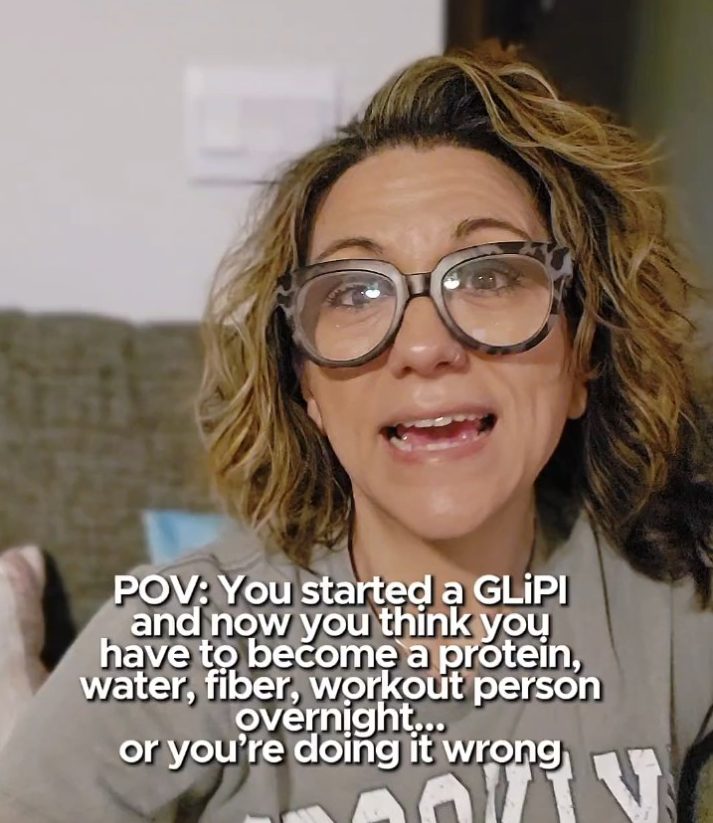
Let me save you from doing the absolute most this week.
If you just started a GLP-1 and suddenly feel like you’re supposed to become a protein, water, fiber, meal prep, movement, perfect little wellness machine overnight… please take a breath. That is one of the fastest ways to make this feel overwhelming.
And I get why it happens. Starting a GLP-1 can feel like a fresh start, especially if you’ve spent years feeling like your body was not responding the way everyone said it should.
So your brain starts making a whole list. More protein. More water. More fiber. More steps. Better sleep. Better meals. Track everything. Fix everything. Become an entirely different human by next Tuesday.
Respectfully… that is a lot.
You do not need to become a brand-new person this week. You need one honest starting point.
Ask yourself where you’re weakest right now. Not where the internet told you to start. Not what worked for someone else. Not what sounds the most impressive. Where are you honestly struggling the most?
If you’re getting decent protein but barely drinking water, start with hydration. If you’re drinking water but constipation has entered the chat against everyone’s wishes, fiber and fluids may need more attention. If your food is pretty solid but movement has been nonexistent, start with something small enough that you’ll actually do it. If protein is the thing you keep missing, start there.
The other areas are not unimportant. They may just be good enough for now while you focus on the area that needs the most support first.
That’s the part I wish more people understood about starting these meds. Progress over perfection sounds cute on Instagram, but with GLP-1s, it’s actually practical.
When you change everything at once, it gets harder to tell what is helping and what is making you feel worse. When you work on one thing at a time, you can actually pay attention to your body.
And that matters, especially if you’re already wondering whether your dose is working, whether you need an increase, or whether you’re doing something wrong.
Sometimes a dose conversation with your provider is absolutely appropriate. But sometimes the missing piece is much less dramatic than that. Maybe you’re not getting enough protein. Maybe your hydration is basically iced coffee and hope. Maybe constipation is making everything feel worse. Maybe your body needs more support before you decide the medication itself is the problem.
That is not about blaming yourself. It’s about walking into your next provider conversation with better information.
One habit at a time. One area of improvement at a time. One realistic change you can actually keep doing.
That is how this becomes sustainable.
Not perfect. Sustainable.
And honestly, that’s the goal.
I also made a short video version of this if you’d rather hear me talk through it instead of reading my full thoughts like we’re all pretending our attention spans are thriving.
And if you want the deeper explanation, I turned this into a full blog post too. I go into more detail about why trying to fix everything overnight can make starting a GLP-1 feel way more overwhelming than it needs to be.
If you’re already on a GLP-1 and wondering, “Is it me, or is it the med?” I made a free guide for exactly that. It walks you through the four questions I asked myself before every dose increase conversation so you can go into that appointment with more clarity and less spiraling.
XOXO, NIKI
PCOS. Perimenopause. Metabolic health. The real stuff. Not just “eat less, move more.”
I’m a registered nurse and health coach who shares real, BS-free information about metabolic health, PCOS, perimenopause, and weight loss, because y’all deserve better than vague wellness fluff. But here’s what I need you to know: I am not YOUR nurse. Everything I share here is for educational purposes only. It is not medical advice, it’s not a diagnosis, and it doesn’t create a provider-patient relationship between us. Nothing here replaces the care of a licensed provider who actually knows your full health history. The opinions and content here are my own and do not reflect the views of my employer or the hospital where I work.
Scope of practice
As a nurse health coach, I can recommend over-the-counter products and supplements that may support your wellness goals. I don’t prescribe specific prescription medications. When it comes to GLP-1s and peptides, what I can do is talk about the science, what’s available, and what may be beneficial, so you can have an informed conversation with your licensed medical provider. The decision about what’s right for your body always belongs to you and your provider. Always consult your licensed provider before starting any prescription treatment. These statements have not been evaluated by the FDA. Products discussed are not intended to diagnose, treat, cure, or prevent any disease.
Transparency
I only recommend things I actually trust. Most are products I personally use, some are from partners whose clinical standards I believe in. I will always let you know when it’s something I haven’t tried personally. Some links in this email are affiliate links or part of brand partnerships, which means I may earn a commission at no extra cost to you. As an Amazon Associate, I earn from qualifying purchases.
Results + Testimonials
Any testimonials or results shared here reflect individual experiences only. Results are not guaranteed and will vary based on individual circumstances.
You’ve just started a GLP-1, and now it feels like you have to get your protein, water, fiber, and movement perfect right away, or you’re not doing it correctly.
Trying to do everything at once is a quick way to feel overwhelmed.
I’m a nurse who’s been on these medications for over two years and lost 94 pounds. If you’re starting a GLP-1, my main advice is this: you don’t have to fix everything right away. Start by choosing one area to work on first.
Focus on one habit at a time. Pick one area to improve. Make one realistic change you know you can stick with.
Aiming for perfection often makes people feel like they’ve failed before they even get started.
And I get why this happens. Starting a GLP-1 can feel like a fresh start, especially if you’ve spent years feeling like your body wasn’t responding the way everyone said it should. Suddenly you’re trying to hit a protein goal, drink a gallon of water, eat more fiber, move every day, meal prep, sleep better, track everything, and somehow become a calm, organized person who remembers to thaw chicken.
It sounds like a good plan, but it’s a lot to take on and hard to keep up.
You don’t need to become a brand-new person overnight.
You need to ask yourself one honest question: where am I weakest right now?
If you’re already getting enough protein,you don’t have to focus on it first just because the internet is yelling about it. If you’re barely drinking water, start with that. If you’re dealing with constipation, your fiber and fluids probably need attention. If movement has been nonexistent, start with something small enough that you’ll actually do it.
The other areas can wait for now.
Good enough counts, especially when you’re trying to build habits that need to last longer than your first burst of motivation.
Save this if starting GLiPI already feels overwhelming. One of the biggest mistakes I see people make when starting this part of their wellness journey is trying to change every habit in the first week. Protein intake. Water intake. Fiber. Movement. Meal timing. Sleep. Supplements. All at once. No wonder it feels like too much. If your appetite is changing, your cravings feel different, or your portions are shifting, that does not mean you need to become perfect at every healthy habit overnight. Start with the area that would make the biggest difference right now. For a lot of people, that might be protein. For someone else, it may be hydration, fiber, or getting more consistent with movement. This matters even more if you’re navigating PCOS, insulin resistance, perimenopause, metabolic health, or maintenance, because sustainable habits matter more than trying to do everything perfectly for two weeks and burning out. For me, it started with protein. Once that felt easier day to day, I moved on to fiber. Then I kept building from there. That is still how I approach maintenance now: one area at a time, not a total personality transplant by Friday. #metabolichealth#pcoswellness#healthyhabits#wellnessjourney#insulinresistance I’m an RN + health coach, but I’m not YOUR nurse. Everything I share is education & encouragement only. Not medical advice, not a diagnosis, not a promise of results. My job here is to help you understand your body so you actually know what to ask when you talk to your provider. Anything that requires a prescription or medical oversight? That’s between you & your licensed provider. This is not a DIY situation. Some links I share are affiliate links, including my partnership with EllieMD, which means I may earn a small commission at no extra cost to you. I only share things I personally use, trust, or have found genuinely helpful.
Why Trying to Do Everything Right Away Makes GLP-1s Feel Overwhelming
Protein, water, fiber, and movement are all important. The real issue is trying to get consistent with all of them at once, especially if they’re not already part of your routine.
This is where so many people get stuck. They start a GLP-1 and immediately think, “Okay, now I need to do this perfectly.” So they create a plan that looks amazing on paper but feels miserable by day four.
They try to eat differently, drink more water, increase fiber, exercise more, avoid side effects, track their progress, understand changes in appetite, and not get discouraged when the scale doesn’t move as expected.
That’s simply too much to handle all at once.
When it gets too hard, people start thinking they’re the problem and blame themselves. They think they’re not disciplined enough. They think they’re already failing. They think maybe they’re not using the medication correctly.
But most of the time, it’s not failure. It’s just trying to take on too many new habits at once.
Progress over perfection sounds great on Instagram, I know. But with GLP-1s, it’s actually practical. If you try to change everything overnight, you make it harder to figure out what’s helping and what’s making you feel worse. If you change one area at a time, you can actually pay attention and really notice how your body responds.
That’s the part people skip.
The Better GLP-1 Beginner Question: Where Am I Weakest Right Now?
Before you start adding more rules, ask yourself where you need the most support.
Not where you think you’re supposed to start. Not what someone else said worked for them. Not what sounds most impressive. Where are you honestly weakest right now?
That answer is where you should begin.
If you’re getting enough protein most days but you’re barely drinking water, hydration may need your attention first. If you’re drinking water but constipation is a problem, fiber and fluids may need more focus. If your food is solid but you barely move your body, movement may be the place to begin.
This doesn’t mean the other habits don’t matter. It means they may be good enough for now while you work on the weakest area first.
That’s how you make this less overwhelming. You stop trying to fix everything and start improving one thing.
If Protein Is Your Weakest Area on a GLP-1
If protein is your weakest area, it’s worth paying attention to because GLP-1 medications can lower your appetite. When you’re eating less overall, it’s easy to eat less protein without realizing it.
For me, protein made a huge difference. When I wasn’t getting enough, I felt it. My energy wasn’t great, I didn’t feel as steady, and I didn’t feel like I was supporting my body well while losing weight.
When you lose weight, your body doesn’t only pull from fat. Muscle can be affected too, especially if you’re not eating enough protein or doing any kind of strength-supporting movement. And muscle matters for metabolism, strength, and long-term maintenance.
That does not mean you need to suddenly become a grilled chicken influencer. Please no. We’ve all been through enough.
It means you may need to look at your actual intake and ask whether you’re getting enough protein for your body right now.
And if the answer is no, start simple. Add protein in a way you can actually repeat. That might mean Greek yogurt in the morning, a protein shake when solid food feels like too much, cottage cheese, eggs, tuna, rotisserie chicken, protein coffee, or whatever sits well with your stomach.
The goal isn’t to make your meals look impressive. The goal is to give your body what it needs in a way that works in your real life.
If Fiber Is Your Weakest Area on a GLP-1
If fiber is your weakest area, there’s a good chance your bathroom habits have already made that very clear. GLP-1s can slow digestion, and when digestion slows down, constipation can become a real issue.
Most people don’t talk about it until they’re uncomfortable, and then suddenly fiber becomes important. It’s interesting how things change when you really need a solution.
Fiber helps support digestion and keeps things moving, but this is not your sign to go from zero fiber to chia pudding, lentils, beans, raw vegetables, and three supplements overnight. That’s how you end up bloated and mad at everyone.
Ease into it.
You can add more fiber from foods like beans, berries, oats, vegetables you tolerate well, or whole grains that sit well with your stomach. Some people also use supplemental fiber because it’s easier to stay consistent, but fiber works best when you increase it gradually and drink enough fluids with it.
That’s important. Adding fiber without enough water can make things worse, and no one wants that.
So if constipation is your weakest area, don’t ignore it and assume the medication just isn’t working. Your digestive system may need support before you decide anything else needs to change.
If Water Is Your Weakest Area on a GLP-1
Hydration sounds basic, which is probably why so many people overlook it.
But if you’re on a GLP-1 and you feel tired, headachy, dizzy, foggy, nauseated, or just off, it’s worth asking how much water you’ve actually had. Not how much you planned to drink. Not how much your emotional support water bottle was carrying around for decoration. How much actually made it into your body?
When your appetite drops, you may naturally drink less, too. You may also get less fluid from food because you’re eating less overall. And if you’re dealing with nausea, vomiting, diarrhea, or constipation, hydration becomes even more important.
You don’t have to make drinking water your main focus. Just find ways to make it easier to get enough fluids.
Plain water counts. Flavored water counts. Electrolytes may help some people, especially if they’re eating less or losing more fluid through digestive side effects. Coffee still counts toward fluid intake, too, despite what diet culture has screamed into the void for years.
If water is your weakest area, start there. Don’t build a complicated meal plan while your body is running on iced coffee, half a bottle of water, and determination.
That’s not a good hydration plan.
If Movement Is Your Weakest Area on a GLP-1
If movement is your weakest area, that doesn’t mean you need to start an intense workout plan.
Movement does not have to be impressive to count. It doesn’t have to be an hour. It doesn’t have to be sweaty. It doesn’t have to involve matching activewear, a gym mirror, or a playlist called “beast mode” that makes everyone uncomfortable.
It just has to be something you’ll actually do.
Movement on a GLP-1 isn’t only about burning calories. It can help support digestion, muscle, metabolism, mood, and long-term maintenance. And when you’re losing weight, protecting muscle matters.
But again, start where you are.
Maybe that means walking more. Maybe it’s stretching. Maybe it’s a few minutes of strength training. Maybe it’s doing squats while the dog takes forever outside, which is ridiculous but effective. Maybe it’s dancing around your kitchen for ten minutes because that’s what you can realistically fit into your day.
The best movement plan isn’t the one that looks good online. It’s the one you’ll actually keep doing.
Before You Assume You Need a GLP-1 Dose Increase
If you’re already on a GLP-1 and wondering if it’s time to talk to your provider about a dose increase, I don’t want you to automatically assume the answer is yes or no.
I want you to have better information before that conversation.
Sometimes a dose adjustment really may be the next step. But sometimes the issue is that you’re not getting enough protein, barely drinking water, constipated, or not moving much at all. And no judgment, because I’ve absolutely had moments where I had to look at my own habits and go, “Well. That explains a few things.”
That’s not about blaming yourself. It’s about being honest enough to know what’s actually going on.
Before you assume the medication isn’t working, ask yourself if you’re giving it enough support to do its job. Protein, fiber, water, and movement are not magic, but they are the basics that can change how you feel on these meds.
And when you know where you’re weakest, your provider conversation gets a lot clearer.
Progress Over Perfection on a GLP-1
If you’re starting a GLP-1, you don’t have to change everything in your life right away.
You don’t need to be perfect at protein, water, fiber, and movement by the end of the week. You need one honest starting point.
Ask yourself where you’re weakest right now, and start there.
This isn’t forever, and it’s not because the other areas aren’t important. It’s just easier to build one new habit at a time than to try four at once.
That’s how you make this sustainable. Not by doing everything perfectly, but by doing one thing consistently enough that it becomes part of your real life. Then you build from there.
One habit at a time. One area of improvement at a time. One realistic change you can keep doing.
That’s the goal.
Free GLP-1 Guide: Is It Me, or the Med?
If you’re already on a GLP-1 and wondering whether it might be time to talk to your provider about a dose increase, I made a free guide for exactly that.
It’s called Is It Me, or the Med?
Inside, I walk you through the four questions I asked myself before every dose increase conversation with my doctor. I looked at whether I was getting enough protein, enough fiber, enough water, and enough movement before assuming my dose wasn’t enough.
This is the same real-life checklist I used to figure out whether the issue was my habits or my milligrams.
It’s not about judging yourself. It’s about walking into your next provider conversation with more clarity.
What should I focus on first when starting a GLP-1?
When you’re starting a GLP-1, focus on the area where you’re weakest right now. For some people, that’s protein. For others, it’s water, fiber, or movement. You don’t have to fix everything at once.
Why does protein matter on a GLP-1?
Protein matters on a GLP-1 because your appetite may be lower, which can make it easier to eat less protein without meaning to. Getting enough protein helps support your body while you’re losing weight.
Why does fiber matter on a GLP-1?
Fiber matters because GLP-1s can slow digestion, and slower digestion can contribute to constipation. Adding fiber slowly and drinking enough fluids can help support digestion.
Why is water important on a GLP-1?
Water is important because eating less may also mean drinking less. Hydration can affect how you feel, especially if you’re dealing with headaches, dizziness, fatigue, nausea, constipation, or digestive side effects.
Should I increase my GLP-1 dose if progress slows down?
A GLP-1 dose increase should be a conversation with your provider. Before assuming your dose needs to change, it helps to look honestly at your protein, fiber, water, and movement so you understand what may need support first.
Want to Know Who I Trust for GLP-1 Support?
If you’ve been wondering where I get my GLP-1 medication, who I trust, or what kind of telehealth option I’d actually feel comfortable sharing, I keep that info in one place.
After being on these meds for over 2 years, I’m pretty picky about this part. I want medically guided care, a real intake process, provider review, and no sketchy “wellness shortcut” nonsense dressed up with pretty branding.
As a Brand Partner with EllieMD, I share the option I personally use and trust so you can read through it, see how it works, and decide if it’s something you want to explore.
This post contains affiliate links and/or brand partnership content. I may earn a commission at no extra cost to you.
LET’S BE CLEAR ABOUT WHO I AM (AND WHO I’M NOT).
I’m a registered nurse and health coach who shares real, BS-free information about metabolic health, PCOS, perimenopause, and weight loss, because y’all deserve better than vague wellness fluff. But here’s what I need you to know: I am not YOUR nurse. Everything I share here is for educational purposes only. It is not medical advice, it’s not a diagnosis, and it doesn’t create a provider-patient relationship between us. Nothing on this site replaces the care of a licensed provider who actually knows your full health history. The opinions and content here are my own and do not reflect the views of my employer or the hospital where I work.
SCOPE OF PRACTICE.
As a nurse health coach, I can recommend over-the-counter products and supplements that may support your wellness goals. I don’t prescribe specific prescription medications. When it comes to GLP-1s and peptides, what I can do is talk about the science, what’s available, and what may be beneficial, so you can have an informed conversation with your licensed medical provider. The decision about what’s right for your body always belongs to you and your provider. Always consult your licensed provider before starting any prescription treatment — this is not something that should be DIY’d. These statements have not been evaluated by the FDA. Products discussed on this site are not intended to diagnose, treat, cure, or prevent any disease.
TRANSPARENCY.
I only recommend things I actually trust. Most are products I personally use, some are from partners whose clinical standards I believe in. I will always let you know when it’s something I haven’t tried personally. Some links on this site are affiliate links or part of brand partnerships, which means I may earn a commission at no extra cost to you. As an Amazon Associate I earn from qualifying purchases.
RESULTS + TESTIMONIALS.
Any testimonials or results shared on this site reflect individual experiences only. Results are not guaranteed and will vary based on individual circumstances.
Remember how I told you about my accidental experiment of skipping my injections last week? And how the joint swelling and inflammation came back with a vengeance?
Well, I am checking in today with an update that honestly blows my mind, even as a nurse.
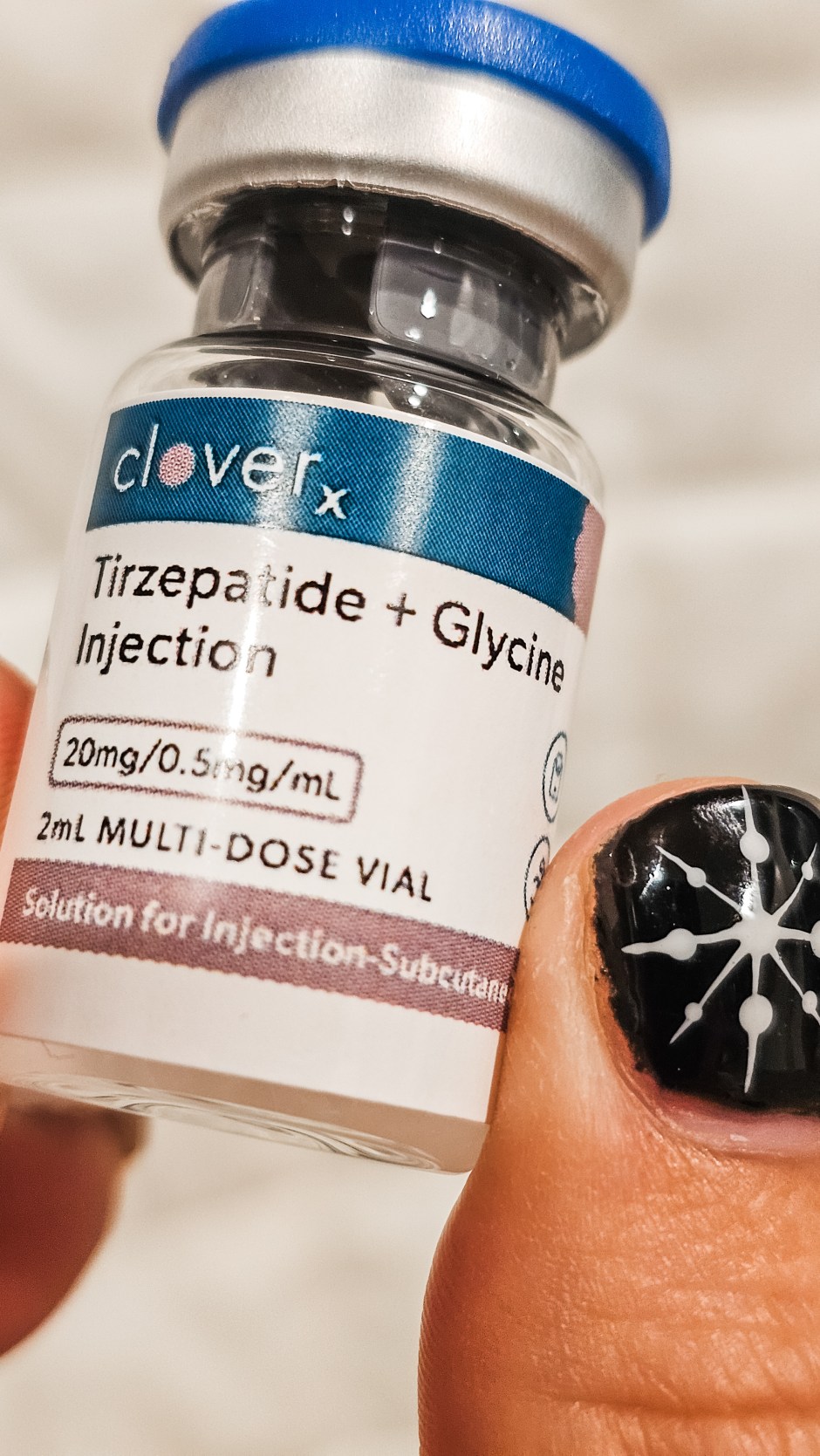
Yesterday, I finally took my compounded GLP-1/GIP + glycine, along with my NAD+ and GHK-Cu injections. It has only been 24 hours, and that inflammation that was creeping back like no joke is already mostly resolved. I still have a tiny bit of swelling, but it is not nearly as bad as it was yesterday.
And the best part? The food noise is officially GONEZO!
As a nurse, I love knowing the “why” behind how our bodies work. If you have ever typed “does GLP-1 help with joint pain” or “how fast do weight loss meds reduce inflammation” into your search bar late at night, I have some answers for you. I went digging into reputable clinical studies, and the science behind this rapid relief is wild.
Here is what the research actually says about GLP-1 medications and systemic inflammation (and I brought the receipts so you can check them out yourself!):
It works fast:Studies show that a single dose of a GLP-1 medication can start reducing inflammatory cytokines (the specific proteins that cause swelling and pain) within literally hours. This perfectly explains why my joint pain and stiffness got better by the very next day.
It is not just because of the weight loss:Clinical trials have proven that GLP-1 medications consistently lower C-reactive protein. That is the main inflammation marker your doctor checks when you get routine bloodwork. The crazy part is that the research shows a massive chunk of this reduction happens completely independent of weight loss. The medicine itself is actively fighting the inflammation!
Whole body relief: These meds do not just target your stomach to make you full. They actually help block the pathways that cause chronic inflammation all over your body. The science shows they have direct anti-inflammatory effects on your joints, heart, liver, and immune system.
So if you have been wondering if GLP-1 weight loss medications do more than just help you drop pounds, the answer is a massive yes. They are powerful tools that help manage chronic conditions from the inside out.
Have you noticed a major difference in your own inflammation or joint pain since starting your wellness journey? Reply back and let’s chat about it!
XOXO, NIKI, RN
PCOS. Perimenopause. Metabolic health. The real stuff. Not just “eat less, move more.”
Not sure where to start? Take my free quiz and I’ll send you a custom plan.
WHAT’S RIGHT FOR MY BODY?
P.S. Missed the previous editions of The Nurse’s RX? ↓ Catch up here ↓
READ PAST EDITIONS
↓ LET’S CONNECT ↓
Let’s be clear about who I am (and who I’m not)
I’m a registered nurse and health coach who shares real, BS-free information about metabolic health, PCOS, perimenopause, and weight loss, because y’all deserve better than vague wellness fluff. But here’s what I need you to know: I am not YOUR nurse. Everything I share here is for educational purposes only. It is not medical advice, it’s not a diagnosis, and it doesn’t create a provider-patient relationship between us. Nothing here replaces the care of a licensed provider who actually knows your full health history. The opinions and content here are my own and do not reflect the views of my employer or the hospital where I work.
Scope of practice
As a nurse health coach, I can recommend over-the-counter products and supplements that may support your wellness goals. I don’t prescribe specific prescription medications. When it comes to GLP-1s and peptides, what I can do is talk about the science, what’s available, and what may be beneficial, so you can have an informed conversation with your licensed medical provider. The decision about what’s right for your body always belongs to you and your provider. Always consult your licensed provider before starting any prescription treatment. These statements have not been evaluated by the FDA. Products discussed are not intended to diagnose, treat, cure, or prevent any disease.
Transparency
I only recommend things I actually trust. Most are products I personally use, some are from partners whose clinical standards I believe in. I will always let you know when it’s something I haven’t tried personally. Some links in this email are affiliate links or part of brand partnerships, which means I may earn a commission at no extra cost to you. As an Amazon Associate, I earn from qualifying purchases.
Results + Testimonials
Any testimonials or results shared here reflect individual experiences only. Results are not guaranteed and will vary based on individual circumstances.
I get asked all the time if I’m planning on staying on a GLP-1 forever. For me personally? The answer is a hard yes. But before you panic, that doesn’t mean you’ll have to.
I actually had a little “accidental experiment” last week. I totally forgot to take my shot, and by the time I realized it, the week was halfway over, so I figured I’d just wait. Well, here I am due for my next dose and OH EM GEE. The joint swelling is so real. I can literally feel the inflammation in my body, and it is no joke y’all!
That alone is one reason why I plan to stay on at least a microdose for the long haul.
I’ll also keep it 100 with you: the food noise definitely creeped back in hardcore over the last two days. The good news? I’m still maintaining my 94lb weight loss within an acceptable fluctuation range, but the mental load of that food noise is something I’m happy to leave behind.
Why I’m choosing the “forever” route:
Hormonal Harmony: For the first time in my life (outside of being pregnant), I actually feel balanced.
Heart Health: Given my personal and family history, the cardioprotective features of these medications are a huge priority for me.
Managing PCOS: Even when my labs look “normal,” I know I’ll always have some level of insulin resistance and metabolic disorder. I’d much rather manage that with a GLP-1 than let it get out of hand.
Staying on this medication isn’t a sign that “it didn’t work” because I still need it. To me, it’s about accepting that I have chronic conditions that I am finally able to manage with one single medication instead of several. It’s honestly such a relief.
What this means for YOU
None of this means you’re “stuck” on them. If you and your doctor decide that coming off is the right move for your body, that is amazing! Just know that if you do stop and notice the weight creeping back up or that old food noise getting loud again, you can always use the meds for short periods to reset and restore.
It’s about having the tools in your kit, not about being “perfect.”
Are you worried about the “forever” aspect of weight loss meds, or are you just taking it one shot at a time? Reply and let’s chat!
XOXO, NIKI, RN
PCOS. Perimenopause. Metabolic health. The real stuff. Not just “eat less, move more.”
Not sure where to start? Take my free quiz and I’ll send you a custom plan.
WHAT’S RIGHT FOR MY BODY?
P.S. Missed the previous editions of The Nurse’s RX? ↓ Catch up here ↓
READ PAST EDITIONS
↓ LET’S CONNECT ↓
Let’s be clear about who I am (and who I’m not)
I’m a registered nurse and health coach who shares real, BS-free information about metabolic health, PCOS, perimenopause, and weight loss, because y’all deserve better than vague wellness fluff. But here’s what I need you to know: I am not YOUR nurse. Everything I share here is for educational purposes only. It is not medical advice, it’s not a diagnosis, and it doesn’t create a provider-patient relationship between us. Nothing here replaces the care of a licensed provider who actually knows your full health history. The opinions and content here are my own and do not reflect the views of my employer or the hospital where I work.
Scope of practice
As a nurse health coach, I can recommend over-the-counter products and supplements that may support your wellness goals. I don’t prescribe specific prescription medications. When it comes to GLP-1s and peptides, what I can do is talk about the science, what’s available, and what may be beneficial, so you can have an informed conversation with your licensed medical provider. The decision about what’s right for your body always belongs to you and your provider. Always consult your licensed provider before starting any prescription treatment. These statements have not been evaluated by the FDA. Products discussed are not intended to diagnose, treat, cure, or prevent any disease.
Transparency
I only recommend things I actually trust. Most are products I personally use, some are from partners whose clinical standards I believe in. I will always let you know when it’s something I haven’t tried personally. Some links in this email are affiliate links or part of brand partnerships, which means I may earn a commission at no extra cost to you. As an Amazon Associate, I earn from qualifying purchases.
Results + Testimonials
Any testimonials or results shared here reflect individual experiences only. Results are not guaranteed and will vary based on individual circumstances.
Not sure where to start? Take my free quiz and I’ll send you a custom plan.
WHAT’S RIGHT FOR MY BODY?
P.S. Missed the previous editions of The Nurse’s RX? ↓ Catch up here ↓
READ PAST EDITIONS
↓ LET’S CONNECT ↓
Let’s be clear about who I am (and who I’m not)
I’m a registered nurse and health coach who shares real, BS-free information about metabolic health, PCOS, perimenopause, and weight loss, because y’all deserve better than vague wellness fluff. But here’s what I need you to know: I am not YOUR nurse. Everything I share here is for educational purposes only. It is not medical advice, it’s not a diagnosis, and it doesn’t create a provider-patient relationship between us. Nothing here replaces the care of a licensed provider who actually knows your full health history. The opinions and content here are my own and do not reflect the views of my employer or the hospital where I work.
Scope of practice
As a nurse health coach, I can recommend over-the-counter products and supplements that may support your wellness goals. I don’t prescribe specific prescription medications. When it comes to GLP-1s and peptides, what I can do is talk about the science, what’s available, and what may be beneficial, so you can have an informed conversation with your licensed medical provider. The decision about what’s right for your body always belongs to you and your provider. Always consult your licensed provider before starting any prescription treatment. These statements have not been evaluated by the FDA. Products discussed are not intended to diagnose, treat, cure, or prevent any disease.
Transparency
I only recommend things I actually trust. Most are products I personally use, some are from partners whose clinical standards I believe in. I will always let you know when it’s something I haven’t tried personally. Some links in this email are affiliate links or part of brand partnerships, which means I may earn a commission at no extra cost to you. As an Amazon Associate, I earn from qualifying purchases.
Results + Testimonials
Any testimonials or results shared here reflect individual experiences only. Results are not guaranteed and will vary based on individual circumstances.
If you’re like me and snowed in for a few days, you might be feeling a little extra snacky! I know I am. That’s my M.O. though. I always snack more at home than when at work or out running errands.
EVEN ON A GLP-1
The difference now… I don’t eat as large of quantities of anything as I used to, and I also typically reach for healthier options – That’s It fruit bars, protein bars that taste like candy, protein chips, granola bars, etc…
Do I still cave in and have a fun size snickers? You bet I do!
But I don’t eat a whole bag of them. And I don’t feel guilty over wanting and having a Snickers once in a blue moon now.
That’s what happens when you’ve used these medications as a TOOL and not a quick fix.
This is also a part of where I am on my wellness journey. I’m well in maintenance, but also slowly decreasing my dosing to allow for slightly higher intake than when I was actively losing…. and the snow fell right at the perfect time for me to get snacky. I take my injection tonight, and I’ve now been snowed in since yesterday morning lol. I’m in that balancing act between increasing my intake and decreasing my dose, and not doing either one too quickly or too slowly. I do not want to lose any more, but I also don’t want to gain more than a few pounds in the process, to maintian my other health goals such as lower blood pressure.
Maintenance is not as easy as it looks… but I have amazing tools and resources at my fingertips with EllieMD to keep it up!
If you’ve been thinking about starting a GLP-1 but you’re worried that you’ll gain all the weight back when you stop, keep reading…
If you start, or continue your GLP-1 journey with me, I will help you learn how to make better choices that keep you full longer, so that you can continue these healthy habits when you’re ready to come off the meds.
It’s ok to do a slow taper off if that makes you feel more comfortable. Ease into doing it all on your own. Just plan the taper doses with your doctor, and plan to adjust your diet accordingly to maintain your current weight. Then, if the weight does start creeping back, we can talk about how a microdose for a short term might be beneficial.
Depending on your personal health history, like mine with PCOS, it’s also ok if you need to be on these medications long-term. It’s up to you and your doctor if this is the right choice.
Not sure where to start? Take my free quiz and I’ll send you a custom plan.
WHAT’S RIGHT FOR MY BODY?
P.S. Missed the previous editions of The Nurse’s RX? ↓ Catch up here ↓
READ PAST EDITIONS
↓ LET’S CONNECT ↓
Let’s be clear about who I am (and who I’m not)
I’m a registered nurse and health coach who shares real, BS-free information about metabolic health, PCOS, perimenopause, and weight loss, because y’all deserve better than vague wellness fluff. But here’s what I need you to know: I am not YOUR nurse. Everything I share here is for educational purposes only. It is not medical advice, it’s not a diagnosis, and it doesn’t create a provider-patient relationship between us. Nothing here replaces the care of a licensed provider who actually knows your full health history. The opinions and content here are my own and do not reflect the views of my employer or the hospital where I work.
Scope of practice
As a nurse health coach, I can recommend over-the-counter products and supplements that may support your wellness goals. I don’t prescribe specific prescription medications. When it comes to GLP-1s and peptides, what I can do is talk about the science, what’s available, and what may be beneficial, so you can have an informed conversation with your licensed medical provider. The decision about what’s right for your body always belongs to you and your provider. Always consult your licensed provider before starting any prescription treatment. These statements have not been evaluated by the FDA. Products discussed are not intended to diagnose, treat, cure, or prevent any disease.
Transparency
I only recommend things I actually trust. Most are products I personally use, some are from partners whose clinical standards I believe in. I will always let you know when it’s something I haven’t tried personally. Some links in this email are affiliate links or part of brand partnerships, which means I may earn a commission at no extra cost to you. As an Amazon Associate, I earn from qualifying purchases.
Results + Testimonials
Any testimonials or results shared here reflect individual experiences only. Results are not guaranteed and will vary based on individual circumstances.
The hubs is out of town this weekend, and I agreed to pick up a shift for a coworker Saturday night. Soooo you know I wanted something I could just snack on all weekend AND take to work if I didn’t get called off for low census.
I’ve been absolutely loving dense bean salads lately. High protein, high fiber, zero effort after the initial toss-together, and they taste even BETTER after they sit in the fridge for a day or two. That was the plan… except I didn’t go to the store to get any ingredients beforehand.
So it became a wing-it-with-what-I-had-in-the-pantry-and-fridge type moment.
But daaaamn did it turn out delicious!!!
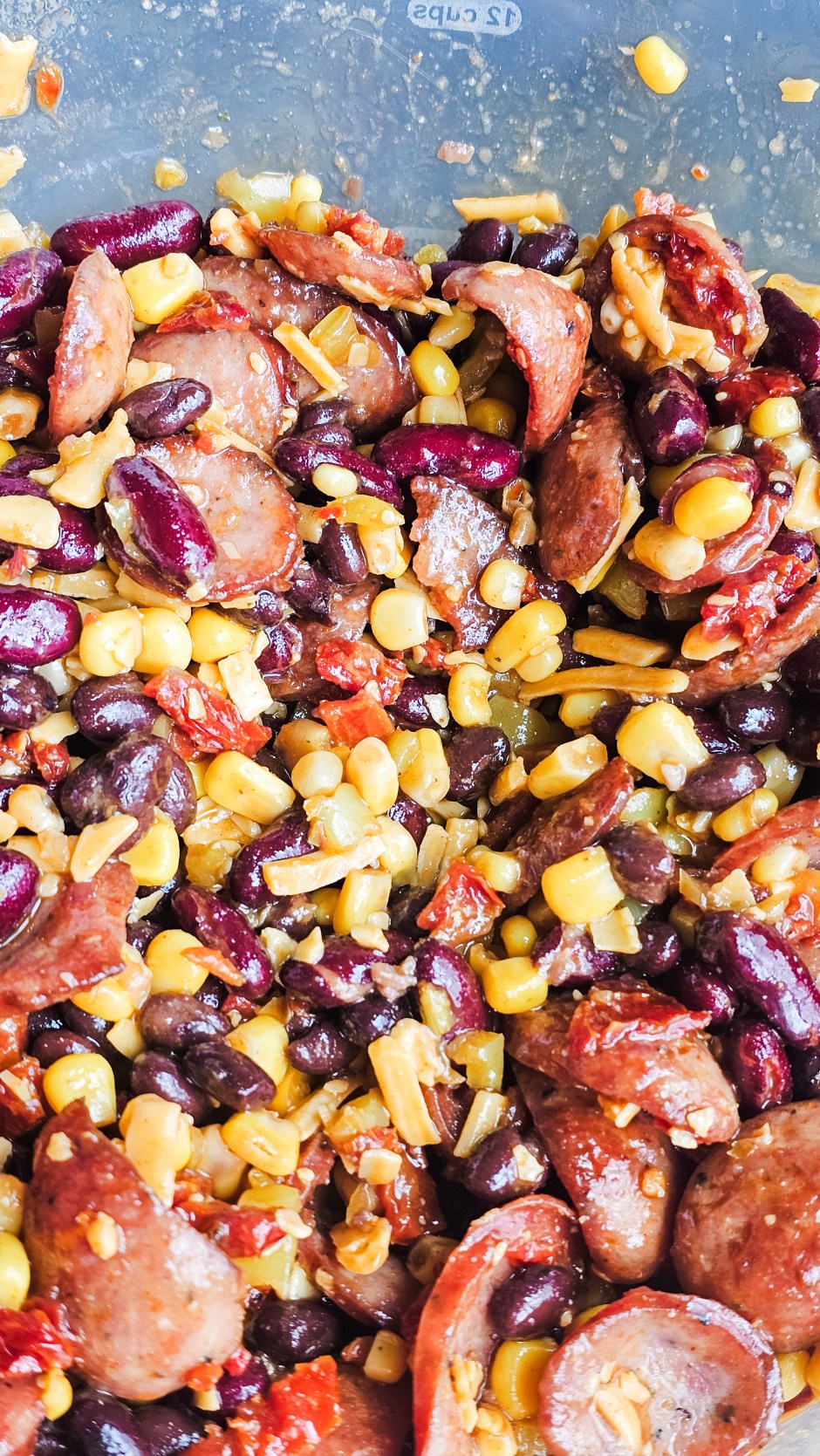
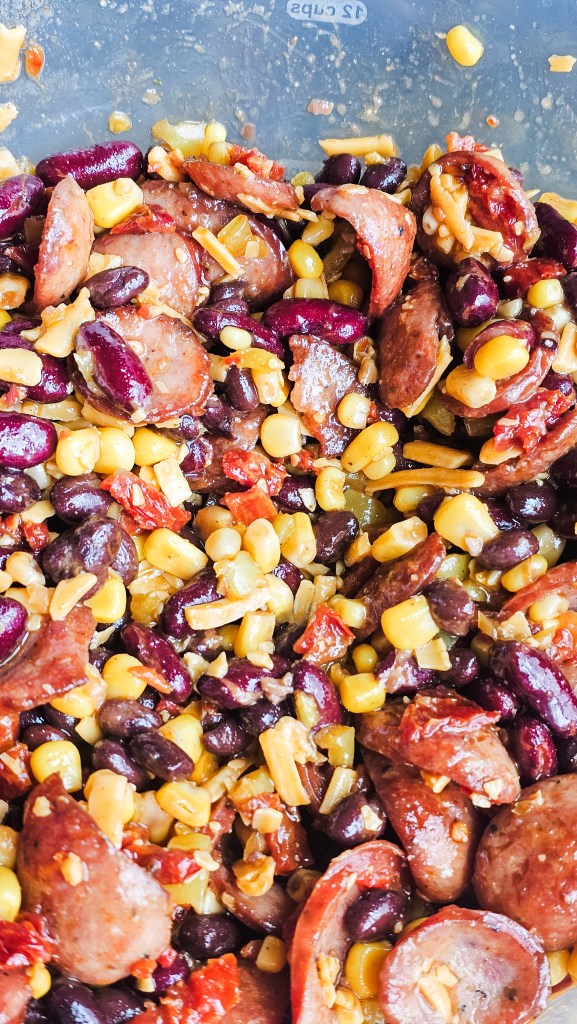
No chicken on hand (ok, so I had some… FROZEN lol), but I DID have a leftover smoked sausage we didn’t use in a recipe this week. The first time I made this, I didn’t even have an onion or a bell pepper, and it was STILL delicious. But if I added them in? Next level. I went ahead and put them in the recipe below, because they belong there. No cherry tomatoes… buuut I had a jar of sun-dried tomatoes. SOLD. I even used some of the oil from the jar to make the dressing. No chickpeas… buuut I had kidney beans, and honestly? They kind of go perfectly with the BBQ vibes I had in my head when I pulled out that sausage.
Sometimes the best recipes happen when you don’t have the “right” ingredients.
This is what 10 minutes and a fridge full of “I don’t have the right ingredients” gets you.
Why I’m Obsessed with Dense Bean Salads for Meal Prep
These kinds of salads have quickly become a staple in my routine. They’re packed with protein and fiber, which are the only two things I actually pay attention to on my weight loss (and now maintenance) journey. And bonus… they taste freakin amazing!!!
You can eat them straight out of the container, scoop them up with tortilla chips or pita tips, toss them in a wrap, pile them on a bed of lettuce… lots of ways to enjoy the same dense bean salad throughout the week without getting burned out eating the same thing. They’re great for meal prep because they just get better and better as they marinate. By day three? Chef’s kiss.
If you’re someone who needs grab-and-go lunches, works night shift, or just doesn’t want to think about food five separate times a day… this is it.
Cook the sausage. Slice your smoked sausage into thin rounds and cook over medium heat until browned and a little crispy on the edges. Set aside and allow to cool.
Make the dressing. Combine all dressing ingredients and whisk until blended. (I use an electric milk frother and it works perfectly.)
Prep the base. Drain and rinse all canned goods and add to a large bowl.
Toss it all together. Add the cooled sausage, sun-dried tomatoes, banana peppers, and cheddar cheese to the bowl. Pour the dressing over everything and mix well.
Refrigerate. Let it sit in the fridge for at least 30 minutes before eating so the flavors can start to marry. Keeps refrigerated for up to 1 week.
Estimated Nutrition Per Serving (6 servings)
These are estimates based on standard nutritional data. Your numbers may vary slightly depending on the specific brands you use.
Calories: ~330-370
Protein: ~18-20g
Fiber: ~10-12g
Carbs: ~35-40g
Fat: ~14-18g
The protein and fiber in this recipe are the real stars. Between the two types of beans, the corn, and the smoked sausage, you’re getting a solid macro profile for a no-reheat meal.
Want more protein? I normally make my dense bean salads with shredded rotisserie chicken (white meat), and that bumps the protein up to around 25–28g per serving while cutting the fat way down. The smoked sausage version happened because it’s what I had on hand, and it turned out SO good that it earned its own recipe. But if you’re focused on hitting higher protein numbers, grab a rotisserie chicken on your way home and shred it up. Same recipe, same dressing, just swap the protein.
Tips, Swaps, and Variations
Skip the sausage for a vegetarian version. The beans carry enough protein on their own. Add extra cheese or some crumbled feta to keep it satisfying.
Swap the beans. Chickpeas, pinto beans, cannellini beans… use whatever you have. The beauty of a dense bean salad is that it’s flexible.
Make it spicier. Add some diced jalapeño or a pinch of cayenne to the dressing.
Use chicken sausage if you want to cut the fat and keep the protein high.
Serving ideas: Eat it straight, scoop with tortilla chips or pita chips, roll it in a tortilla wrap, or pile it on top of a bed of greens.
Meal prep note: This recipe is specifically designed to last all week. It gets better as it sits. Make it on Sunday, eat it through Friday.
Why Dense Bean Salads Work for Weight Loss and Maintenance
I started making dense bean salads when I was actively losing weight, and now that I’m in maintenance, I still make them at least once a month. Here’s why they work:
Protein and fiber keep you full. These are the two things that matter most when you’re trying to stay satisfied without overeating. One serving of this salad has roughly 18–20g of protein (25-28g if you swap the sausage out for the rotisserie chicken) and 10–12g of fiber. That’s a real meal, not a snack.
No reheating required. If you work a 12-hour shift (hi, that’s me), you need food you can grab out of the fridge and eat. No microwave line. No waiting. Just open and eat.
They don’t get sad in the fridge. Unlike green salads that wilt by day two, dense bean salads actually improve over time as the dressing soaks into the beans. Day three is peak flavor.
They’re endlessly customizable. Once you get the base formula down (beans + protein + veggies + dressing), you can change the entire flavor profile just by swapping the dressing and a few ingredients. This one is BBQ. Next week could be Mediterranean, Southwest, or Italian.
This post contains affiliate links and/or brand partnership content. I may earn a commission at no extra cost to you.
LET’S BE CLEAR ABOUT WHO I AM (AND WHO I’M NOT).
I’m a registered nurse and health coach who shares real, BS-free information about metabolic health, PCOS, perimenopause, and weight loss, because y’all deserve better than vague wellness fluff. But here’s what I need you to know: I am not YOUR nurse. Everything I share here is for educational purposes only. It is not medical advice, it’s not a diagnosis, and it doesn’t create a provider-patient relationship between us. Nothing on this site replaces the care of a licensed provider who actually knows your full health history. The opinions and content here are my own and do not reflect the views of my employer or the hospital where I work.
SCOPE OF PRACTICE.
As a nurse health coach, I can recommend over-the-counter products and supplements that may support your wellness goals. I don’t prescribe specific prescription medications. When it comes to GLP-1s and peptides, what I can do is talk about the science, what’s available, and what may be beneficial, so you can have an informed conversation with your licensed medical provider. The decision about what’s right for your body always belongs to you and your provider. Always consult your licensed provider before starting any prescription treatment — this is not something that should be DIY’d. These statements have not been evaluated by the FDA. Products discussed on this site are not intended to diagnose, treat, cure, or prevent any disease.
TRANSPARENCY.
I only recommend things I actually trust. Most are products I personally use, some are from partners whose clinical standards I believe in. I will always let you know when it’s something I haven’t tried personally. Some links on this site are affiliate links or part of brand partnerships, which means I may earn a commission at no extra cost to you. As an Amazon Associate, I earn from qualifying purchases.
RESULTS + TESTIMONIALS.
Any testimonials or results shared on this site reflect individual experiences only. Results are not guaranteed and will vary based on individual circumstances.
Before we even get into glycine, we have to talk about amino acids.
And don’t worry, I’m not giving you a textbook. I’m giving you the way I break things down when someone looks at me like their brain just froze and says “explain that again… slower.”
Glycine as an oral amino acid supplement, often used for sleep and recovery support.
Amino acids are your body’s tiny building blocks. Picture them like the individual beads on a long necklace. Each bead matters. The necklace only works when all the beads are there and in the right order. That’s how proteins work in your body. They’re these long chains built from amino acids, and proteins run pretty much everything your body needs to do.
Hormones. Healing. Muscle repair. Brain chemicals that decide whether you’re calm or jittery. Skin, joints, immune support. All of it starts with these little building block beads.
Glycine is one of those beads. It’s small but seriously important.
It helps your nervous system settle so you can move into deeper, more restorative sleep. It plays a role in collagen. It supports recovery. And it’s one of those quiet contributors you don’t notice until it’s finally there and you start feeling steadier.
Now here’s where the weekly injection part comes in.
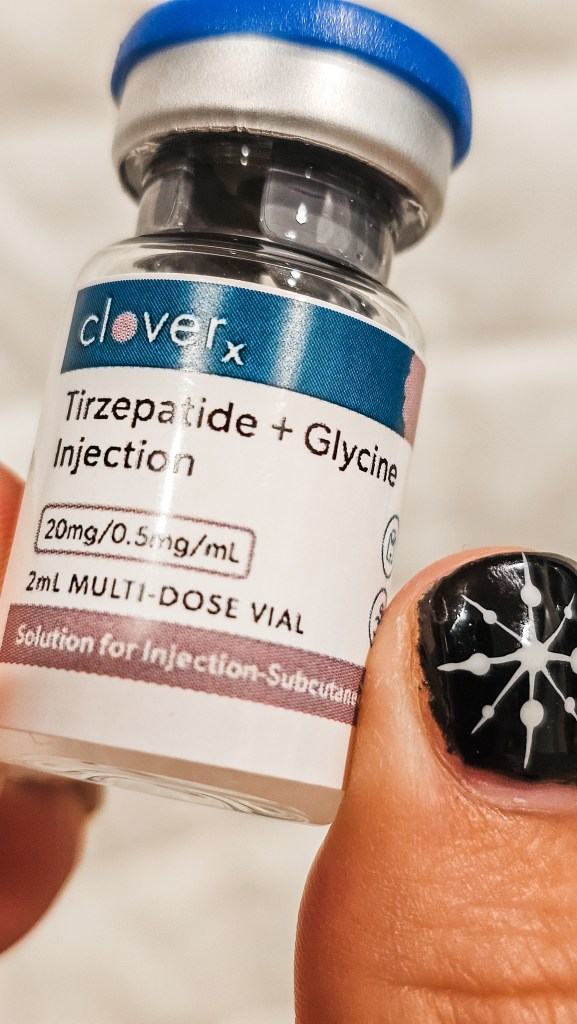
Compounded GLP-1/GIP medication with glycine added for supportive benefits.
When glycine is added to your GLP1 or GLP1 GIP injection, it’s not something you take “as needed.” You’re not grabbing it on nights when you can’t sleep or tossing it in like a supplement. It’s built into your once a week routine, giving your body a consistent, predictable level to work with. And that consistency is exactly what makes it helpful.
If you’re in maintenance, glycine can help keep you regulated. Better sleep. Smoother recovery. A calmer nervous system. Those pieces matter a lot when your goal is staying steady instead of losing.
If you’re in active weight loss, glycine still pulls its weight. Your body is adjusting, repairing, rebuilding, and shifting behind the scenes. Better sleep and better recovery help your system handle all of that without feeling drained or overstressed. Glycine basically supports the “invisible” work that happens during this phase.
So no matter where you are in your journey, glycine isn’t dramatic or flashy. It’s just steady support that shows up week after week, working quietly in the background while your body handles the rest.
Next up, we can dive into L Carnitine or NAD. Whichever one you want next, I’ve got you.
This post contains affiliate links and/or brand partnership content. I may earn a commission at no extra cost to you.
LET’S BE CLEAR ABOUT WHO I AM (AND WHO I’M NOT).
I’m a registered nurse and health coach who shares real, BS-free information about metabolic health, PCOS, perimenopause, and weight loss, because y’all deserve better than vague wellness fluff. But here’s what I need you to know: I am not YOUR nurse. Everything I share here is for educational purposes only. It is not medical advice, it’s not a diagnosis, and it doesn’t create a provider-patient relationship between us. Nothing on this site replaces the care of a licensed provider who actually knows your full health history. The opinions and content here are my own and do not reflect the views of my employer or the hospital where I work.
SCOPE OF PRACTICE.
As a nurse health coach, I can recommend over-the-counter products and supplements that may support your wellness goals. I don’t prescribe specific prescription medications. When it comes to GLP-1s and peptides, what I can do is talk about the science, what’s available, and what may be beneficial, so you can have an informed conversation with your licensed medical provider. The decision about what’s right for your body always belongs to you and your provider. Always consult your licensed provider before starting any prescription treatment — this is not something that should be DIY’d. These statements have not been evaluated by the FDA. Products discussed on this site are not intended to diagnose, treat, cure, or prevent any disease.
TRANSPARENCY.
I only recommend things I actually trust. Most are products I personally use, some are from partners whose clinical standards I believe in. I will always let you know when it’s something I haven’t tried personally. Some links on this site are affiliate links or part of brand partnerships, which means I may earn a commission at no extra cost to you. As an Amazon Associate I earn from qualifying purchases.
RESULTS + TESTIMONIALS.
Any testimonials or results shared on this site reflect individual experiences only. Results are not guaranteed and will vary based on individual circumstances.
Summer is fast approaching, and if I’m being totally honest, a couple of years ago that thought would have sent me into a literal panic.
I used to dread this season. There were summers when I didn’t even own a bathing suit that fit. I refused to buy shorts because I was so uncomfortable in my own skin. Instead, I lived in long dresses and leggings because they felt “safer” and more hidden, even in the middle of a Southern heatwave.
192 lbs and right on the edge of a total life change. This was the moment I stopped making excuses.
Pool invites? They stressed me out. Beach trips? They felt exposing and exhausting. And photos? Absolutely not. I was the queen of hiding in the back or offering to be the one taking the picture so I didn’t have to be in it.
The Willpower Myth
For years, I kept telling myself I just needed more discipline. I thought I needed more willpower or maybe just one more “perfect” fad diet to finally see results. So, I did what we all do. I counted every single calorie. I tracked every tiny bite. I tried whatever new trend was blowing up on social media that month.
And every time it didn’t “stick,” I blamed myself. I felt like a failure because my “math wasn’t mathing” no matter how hard I worked.
Upgrading the Strategy
What actually changed everything for me? I stopped fighting my biology and started upgrading my strategy.
I stopped counting calories. No more obsessing over every number.
I started eating intelligently. I focused on Protein first and Fiber daily (IYKYK 💩).
The “Food Noise” quieted. My body finally had the metabolic support it was screaming for.
Everything fell into place. My health risks vanished and my energy came back.
A Whole New View
This past summer? Things looked a lot different. I actually had a whole drawer of bathing suits. An actual drawer! And yes, a whole drawer of shorts too.
Living my life again at 115 lbs! I finally have the energy and confidence to show up for every moment.
That didn’t come from “trying harder” or white-knuckling my way through another restrictive meal plan. It came from finally giving my body the tools it needed to succeed.
Summer is coming either way, sis. You get to decide how you walk into it this year. Are you going to be hiding in the back, or are you ready to finally feel like the main character of your own life?
Ready to make this your best summer yet?
If you are exhausted from fighting your own biology, let’s chat! You don’t have to do this alone.
Want a personalized plan? Let me help you create the best wellness strategy to fit your needs. TAKE MY QUIZ NOW or if you’d prefer to talk to me on the phone CLICK HERE TO BOOK A FREE 15 MIN CALL WITH ME
Let’s talk through your concerns and see if this path is right for you! Or, you can GET STARTED THROUGH MY SITE if you already know you’re ready to see your own math finally math, let’s go!
☀️ My “Main Character” Summer Essentials Checklist
If you are ready to stop hiding in the leggings and start enjoying the sunshine, here is what is in my beach bag this season. These are my non-negotiables for staying energized and feeling like a 10/10 while I’m out and about!
The Perfect Summer Sip: A crisp Diet Cherry Coke or a refreshing Alani Nu (I’m currently reaching for the fruitier flavors to match the vibe). It’s all about that bubbly energy without the sugar crash!
The “Confidence” Romper: You saw the pink romper! My summer essential is having at least one outfit that makes me feel absolutely radiant. No more “safe” long dresses for this girl!
My Ellie MD Support: I never go into a new season without checking in with my team. Having that metabolic support means I can enjoy the summer without the “math isn’t mathing” stress.
Professional Disclosure: I provide BS-free metabolic education as a registered nurse and health coach for women navigating PCOS, perimenopause, and stubborn weight loss. While I share evidence-based research and nurse-informed support, please remember that I am not your nurse. The content shared here is for educational purposes only. It does not constitute medical advice, diagnosis, or treatment, and it does not establish a provider-patient relationship. Nothing on this site is a substitute for care from a licensed provider who knows your full health history. All opinions and content shared on this platform are my own and do not reflect the views or endorsements of my employer or the hospital where I am employed.
Scope of Practice and FDA: Per professional coaching guidelines, I may recommend over the counter (OTC) medications or supplements to support your wellness goals. However, I do not prescribe or recommend specific prescription medications. For prescription options, including GLP-1 tools, my role is to help you understand the available science so you can have an informed discussion with your licensed healthcare provider. These statements have not been evaluated by the Food and Drug Administration. Products discussed are not intended to diagnose, treat, cure, or prevent any disease, and medical treatments require professional oversight.
Trust and Transparency: I only recommend products I trust. Most are items I use personally, while others are shared based on my professional trust in the clinical standards of partners like Ellie MD. Some links are affiliate links or part of brand partnerships, which means I may earn a commission at no extra cost to you. As an Amazon Associate I earn from qualifying purchases.
Three years ago, I stood on the scale and saw 209 lbs staring back at me. That number was more than just a reflection of my weight. It was a reflection of how much I’d been struggling in silence. My body wasn’t just unhappy. It was literally screaming for help, and I was doing my absolute best to ignore it.
This was me at 209lbs. I was in total denial about how bad it had actually gotten. My health was suffering, and I was just trying to ignore the truth.
Let me set the stage for you. My blood pressure was completely out of control. Honestly, it was at stroke level dangerous. As a nurse who started out on a neurosurgical unit in the “stroke capital of the world,” I knew exactly what those numbers meant. To be frank, it freaked me the eff out. My cholesterol levels weren’t much better, and then I was hit with a sleep apnea diagnosis that I tried to pretend wasn’t a thing. Spoiler alert: denial doesn’t magically make the snoring stop. Who knew? 😅
On top of all that, my energy was gone, my confidence was shattered, and I felt like I was stuck in a never-ending loop of “lose 5lbs, gain 10 back.”
192 lbs and right on the edge of a total life change. This was the moment I stopped making excuses.
When the “Math Didn’t Math”
Fast forward to about 2.5 years ago. My doctor and I finally said, “enough is enough.” I had managed to lose 30lbs on my own, but with the tiniest change of adding just one regular soda back to my diet once a month, I quickly gained 20lbs back. My doctor agreed with me that my math just didn’t math. My calories in were not equaling my calories out, which is something so many women with PCOS struggle with!
At 192 lbs, I began my GLP-1 weight loss journey. Let me tell you, it was one of the best decisions I’ve ever made for my longevity. Thanks to my incredible telehealth team at EllieMD, I finally had the tools, guidance, and accountability to turn things around. They monitored my progress and kept my wellness plan on point. The community was there to cheer me on, even when I was tempted to drown my frustrations in chips. Because, let’s be honest, sometimes the snacks really do call your name! 🍟🙈
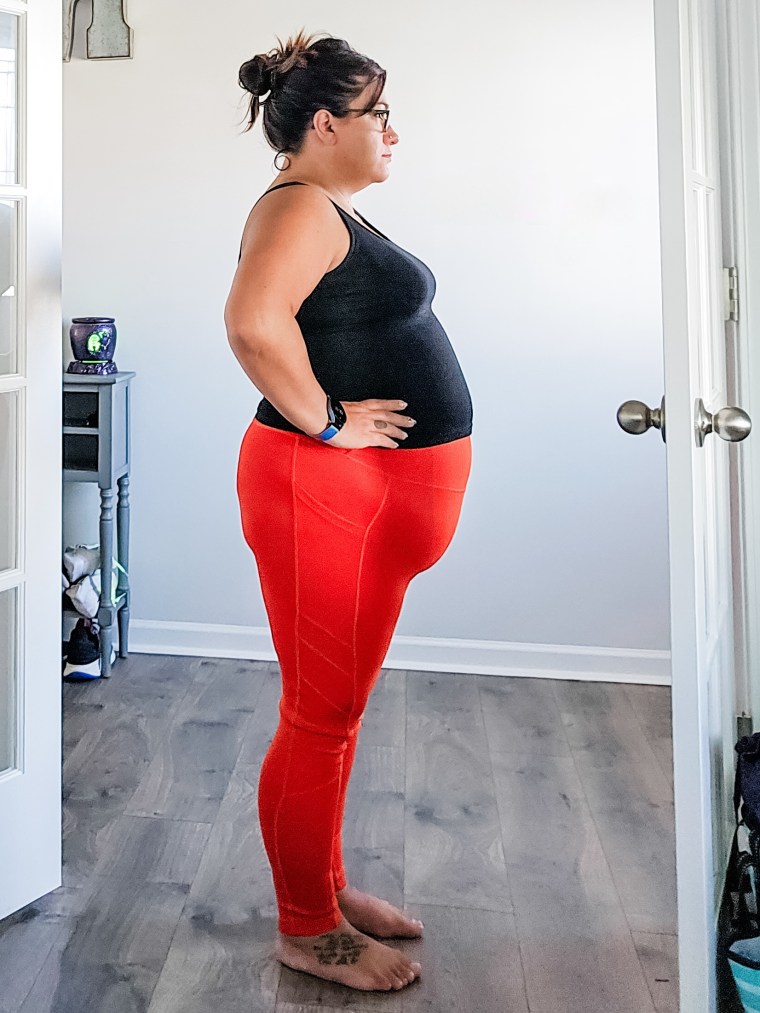
October 3, 2023. 192.6 lbs. This was the day I finally stopped talking about it and started my first GLP-1 injection.
I remember standing there on October 3, 2023, taking a side-profile photo at 192.6 lbs. I was terrified, but I knew I needed that ‘before’ because this time, I was actually going to change my life with GLP-1
There’s a specific milestone around 150 lbs where the ‘paper towel effect’ kicked in. Suddenly, the clothes I was wearing, like this bright blue dress I finally felt confident in, started fitting differently, and for the first time, I didn’t want to hide from the camera.
Pushing Past 135 lbs
I really thought 135 lbs was my absolute “ceiling” because, for my entire adult life, my body had drawn a line in the sand right there.
To understand why that number felt like a dead end, we have to go back to when I was 19. I was 115 lbs and decided to go on the Depo-Provera shot. Little did I know, I had undiagnosed PCOS, and that medication threw my hormones into a literal tailspin. I gained 15 lbs in just 72 hours. Let that sink in! Over the next few months, while that medication was still in my system, I gained another 15 lbs.
135 lbs. The weight I thought was my “finish line” because I hadn’t been lower since I was 19. I was so wrong!
For the longest time, 150 lbs became my frustrating “baseline.” I had managed to drop down near that initial 15 lb gain once before, but I could never, ever break below it. Every other time I tried to lose weight, I hit a wall at that second 15 lb mark and stayed stuck.
But I have to be real with you: the times in my past when I did get down to 150, or even when I was 115 at nineteen, I did NOT get there the healthy way. I was struggling, my habits weren’t sustainable, and my body wasn’t actually thriving.
120 lbs and feeling more like “me” than ever before. This journey has been worth every single second.
This is the first time in my life that I have been at a healthy weight and actually done it the healthy way. Reaching a normal BMI and pushing past that 135 lb hurdle with EllieMD wasn’t just a weight loss win. It was a metabolic breakthrough. For the first time since I was a teenager, my hormones aren’t running the show in a negative way. I finally have the medical support to keep my PCOS in check and the tools to maintain this 94 lb loss for the long haul.
The Results: 94 Pounds Down
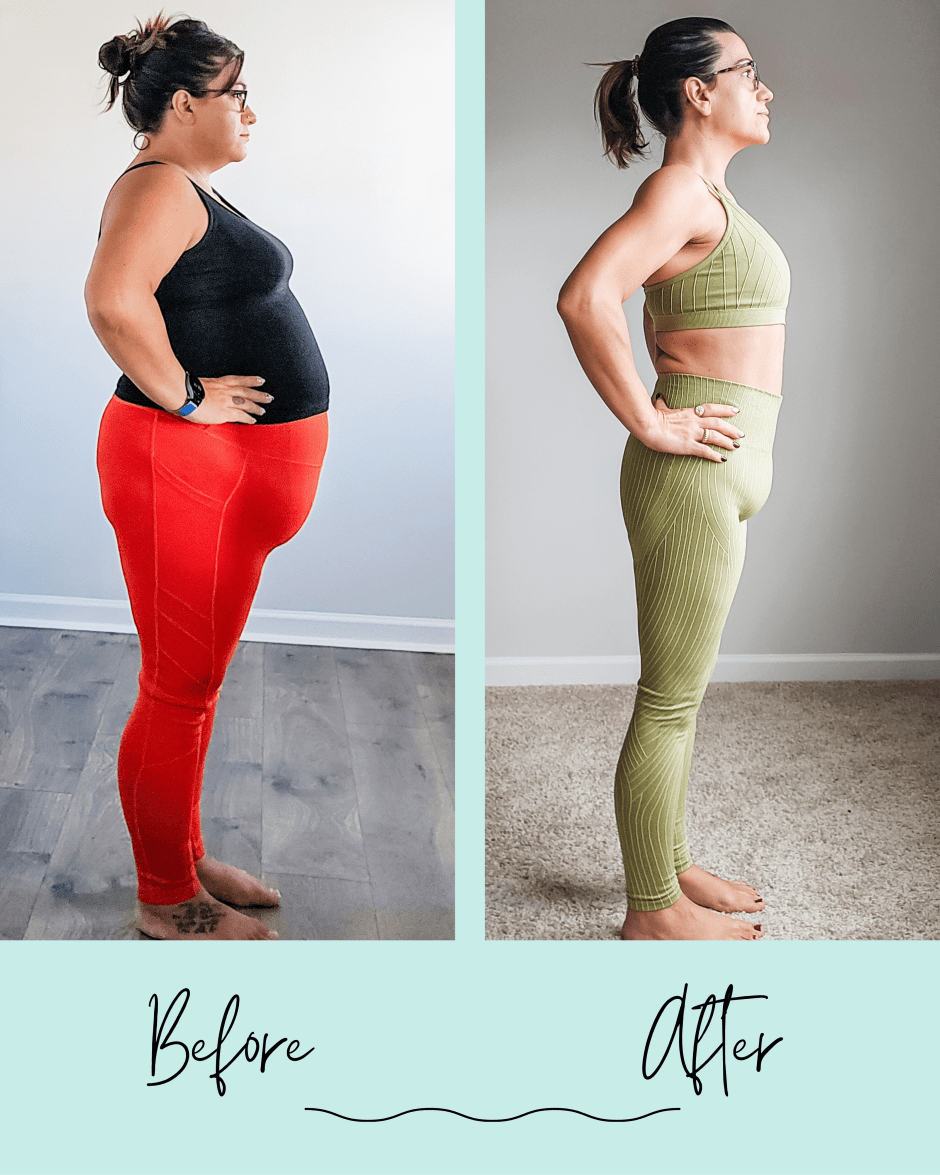
Here I am today, 94 pounds lighter, rocking a normal BMI for the first time since I was 19 years old.
What has changed since reaching 115 lbs?
Sleep Apnea: Completely gone.
Blood Pressure: Controlled and healthy.
Cholesterol: Finally playing nice.
Confidence: Through the roof!
From 192 lbs to 115 lbs. This is what happens when you stop guessing and start a real wellness plan with EllieMD.
But let me be real for a second. This journey has not been all rainbows and glitter. 🌈✨ There were tough days, tears, and moments when I questioned if I could actually do it. There were times when progress felt slow, and I had to remind myself that every small victory added up to something bigger. This transformation didn’t happen overnight, and it certainly didn’t happen without effort. But oh, was it worth it.
Living my life again at 115 lbs! I finally have the energy and confidence to show up for every moment.
Learning to Live Again
I’ve learned so much over these three years. I’ve learned to celebrate the little wins, like fitting into a smaller size and having more energy to play with my bulldog Rossi. She was very happy about this, by the way 🐶. And oh yeah… I ran a freakin 5K!
Most importantly, I’ve learned that taking care of myself isn’t selfish. It is necessary. This journey wasn’t just about weight loss results. It was about saving my life. It was about proving to myself that I am resilient and worth the effort.
Let me tell you, you are worth it!
Ready to Start Your Own Journey with EllieMD?
If you’re sitting there feeling stuck, overwhelmed, or like it’s just too hard, I want you to know something. You can do this. One step, one choice, and one day at a time. It’s not about perfection, it’s about progress.
Medical Provider Consults: You’ll work with a telehealth team that actually listens to your history, including things like PCOS or perimenopause struggles.
GLP-1 Medication Support: Access to the tools that helped me break through my 135 lb plateau and reach a normal BMI.
Monthly Wellness Plans: No more guessing games. You get a clear roadmap for your nutrition and health goals.
Ongoing Lab Monitoring: We keep it safe and clinical by keeping a close eye on your bloodwork and progress.
✨ THE BESTIE BONUS ✨
Exclusive Nurse Coaching with me
When you join through my link, you aren’t just getting a website. You are getting me in your corner! As a Registered Nurse with over a decade of healthcare experience (and 94 lbs lost myself), I’m here to help you navigate the real-life side of this journey.
Whether you are a night shift worker trying to figure out your injection schedule or you just need a hype-girl who understands the struggle, I’ve got you. No gatekeeping, just real support from someone who has been exactly where you are!
Maintenance is a beast of its own, and of course, I am sharing that whole process with y’all too. Whether you are a fellow nurse working the night shift or someone just looking to feel like themselves again, you are worth it! I am so grateful for the team at Ellie MD for helping me get my life back.
Professional Disclosure: I provide BS-free metabolic education as a registered nurse and health coach for women navigating PCOS, perimenopause, and stubborn weight loss. While I share evidence-based research and nurse-informed support, please remember that I am not your nurse. The content shared here is for educational purposes only. It does not constitute medical advice, diagnosis, or treatment, and it does not establish a provider-patient relationship. Nothing on this site is a substitute for care from a licensed provider who knows your full health history. All opinions and content shared on this platform are my own and do not reflect the views or endorsements of my employer or the hospital where I am employed.
Scope of Practice and FDA: Per professional coaching guidelines, I may recommend over the counter (OTC) medications or supplements to support your wellness goals. However, I do not prescribe or recommend specific prescription medications. For prescription options, including GLP-1 tools, my role is to help you understand the available science so you can have an informed discussion with your licensed healthcare provider. These statements have not been evaluated by the Food and Drug Administration. Products discussed are not intended to diagnose, treat, cure, or prevent any disease, and medical treatments require professional oversight.
Trust and Transparency: I only recommend products I trust. Most are items I use personally, while others are shared based on my professional trust in the clinical standards of partners like Ellie MD. Some links are affiliate links or part of brand partnerships, which means I may earn a commission at no extra cost to you. As an Amazon Associate I earn from qualifying purchases.
















 nicoleinscrubs.com